
The Mental Health Benefits of Separating Garage Space From Living Areas
The home is a person’s sanctuary against the outside world, a place for mental and emotional restoration, where a healthy design promotes a sense of peace. However, one of the most overlooked aspects of modern homes, the attached garage, can actively undermine this sanctuary.
It often introduces health risks detrimental to residents’ well-being, particularly their mental health. By separating the garage from the primary living space and incorporating biophilic design, it’s possible to counteract these risks and transform the home back into a truly restorative environment.
How Attached Garages Affect Your Home’s Air Quality
Attached garages serve as a bridge between outdoor pollutants and your main living area, directly affecting indoor air quality. Pollutants, such as vehicle emissions, volatile organic compounds, carbon monoxide and other harmful gases, can find their way inside the home. They enter through poorly sealed doors, shared ventilation and invisible cracks in the drywall and foundation.
Another health risk associated with an attached garage is noise. Garage doors with poor soundproofing can let in all sorts of outdoor noises, including traffic and neighbors. A motorcycle passing by produces 80-110 decibels, far above the 70-decibel threshold, which could harm hearing. Constant exposure to noise and air pollution can make the home uncomfortable and stressful, defeating its restorative purpose.
Creating a True Boundary Between Utility and Sanctuary
People’s mental well-being depends on their daily environment, making the home layout crucial in supporting or undermining it. A healthy home design can help residents enter a state of relaxation and restorative mode.
A garage is mainly a utility space, typically containing vehicles, tools and clutter. When attached, the same clutter and mess from the garage affects the overall mood of the living area. Detached garage plans help create a physical and psychological boundary between the utility space and the main living area. The mere act of walking from one separate structure to the other provides a mental reset before entering the living space.
The physical separation is important for maintaining the home’s identity as a sanctuary and the garage’s identity as a utility space. A detached garage door can still serve its own unique purpose. Well-sealed and insulated garage doors prevent drastic temperature changes, making them ideal for rooms such as gyms, studios or home offices. People can engage with their hobbies here and achieve a state of flow due to fewer interruptions and distractions.
The garage room also helps clarify the distinction between restful and productive space in the home. Painting or woodworking projects can be left in their mess, which would be difficult in shared spaces in the home.
Applying Biophilic Design to Your Garage Space
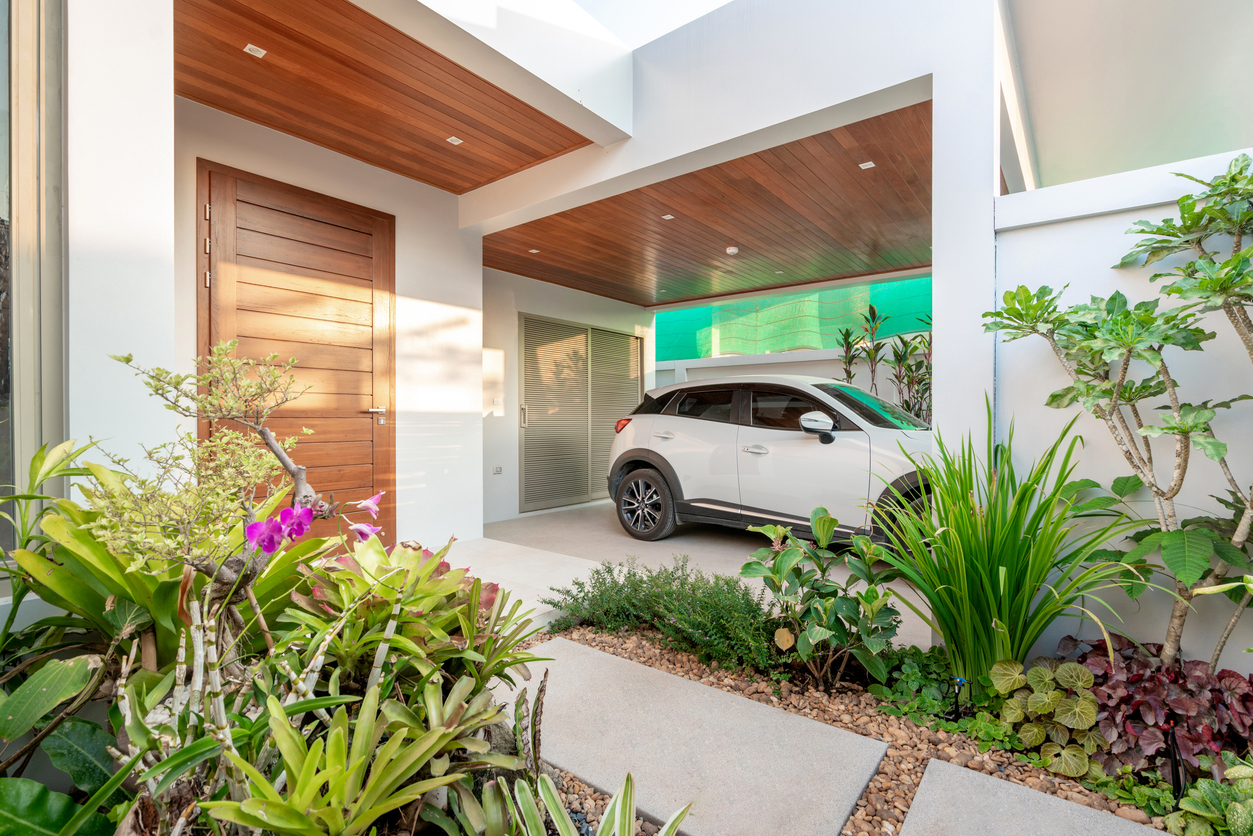
Biophilic design blends the built environment with the natural world and enhances the mental health benefits of a detached garage. The space between your home and the garage, for instance, is an opportunity to create a restorative transition. Instead of a simple concrete path, imagine a landscaped walkway with native plants, a small water feature or a fragrant garden. This “in-between” zone becomes a mindful moment of connection with nature, allowing you to decompress as you move between your living and utility spaces.
The benefits of this approach go beyond the psychological. Permeable surfaces, such as gravel or planted areas, help absorb rainwater, reduce stormwater runoff and support local biodiversity. The plants themselves improve air quality, creating a healthier micro-environment around your home. This same principle of a “healthy home” can be extended to the garage’s interior.
Transform your garage from a cluttered storage area into a calming and functional space. Start by decluttering boxes and unneeded items to improve energy efficiency and reduce visual noise. Then incorporate natural materials for storage, such as wooden shelving and woven baskets, rather than plastic bins. Introduce hardy, low-maintenance plants, like the Snake Plant or ZZ Plant, to purify the air and bring a touch of life indoors.
Lighting and color also play a crucial role. LED lighting, that mimics natural sunlight, can make the garage feel more welcoming. Windows and skylights will make the space feel larger and more open. Finally, a fresh coat of paint in nature-inspired hues like soft greens, earthy browns or sky blues can transform the atmosphere.
Reducing Noise Pollution for Better Rest and Focus
Attached garages are among the top sources of environmental noise brought inside the home. The loud operating garage doors, power tools and car engines all contribute to disruptive sounds that can bleed inside. This is especially true for homes with thin walls and shared floors.
Garage noise is a serious problem. In fact, in Europe, environmental noise causes 48,000 new ischemic heart disease cases each year. Attached garage health risks from constant noise exposure include elevation of stress hormones, cardiovascular strain and disrupted sleep. A physical separation of the garage and the main living area decreases the noise traveling inside the home, providing a quiet indoor atmosphere, essential for deep sleep and concentration.
How Separation Enhances Safety and Peace of Mind
A detached garage also significantly improves a home’s security and fire safety. The door connecting the attached garage to the house is usually less secure than a primary front door. Intruders can use this insecure access point to enter your living area.
Additionally, garages typically contain highly flammable and combustible materials, such as gasoline, propane tanks, oil and paint thinners. A fire caused by these materials can rapidly spread to the main living area, endangering objects and the lives of the occupants. A detached structure separates people from the highest-risk zone and chemical hazards. Having constant peace of mind in one’s own living quarters promotes true relaxation.
Designing Your Home for a Healthier Mind
Separating the garage from the home can be a great investment in residents’ mental and physical health. A separation of these structures allows the home to become a true sanctuary instead. On top of it, incorporating biophilic design helps foster daily connection with nature.
Additionally, a detached garage improves air quality and reduces noise levels inside the home. This leads to a less stressful and more restorative living environment, greatly supporting people’s well-being.


Post a comment