
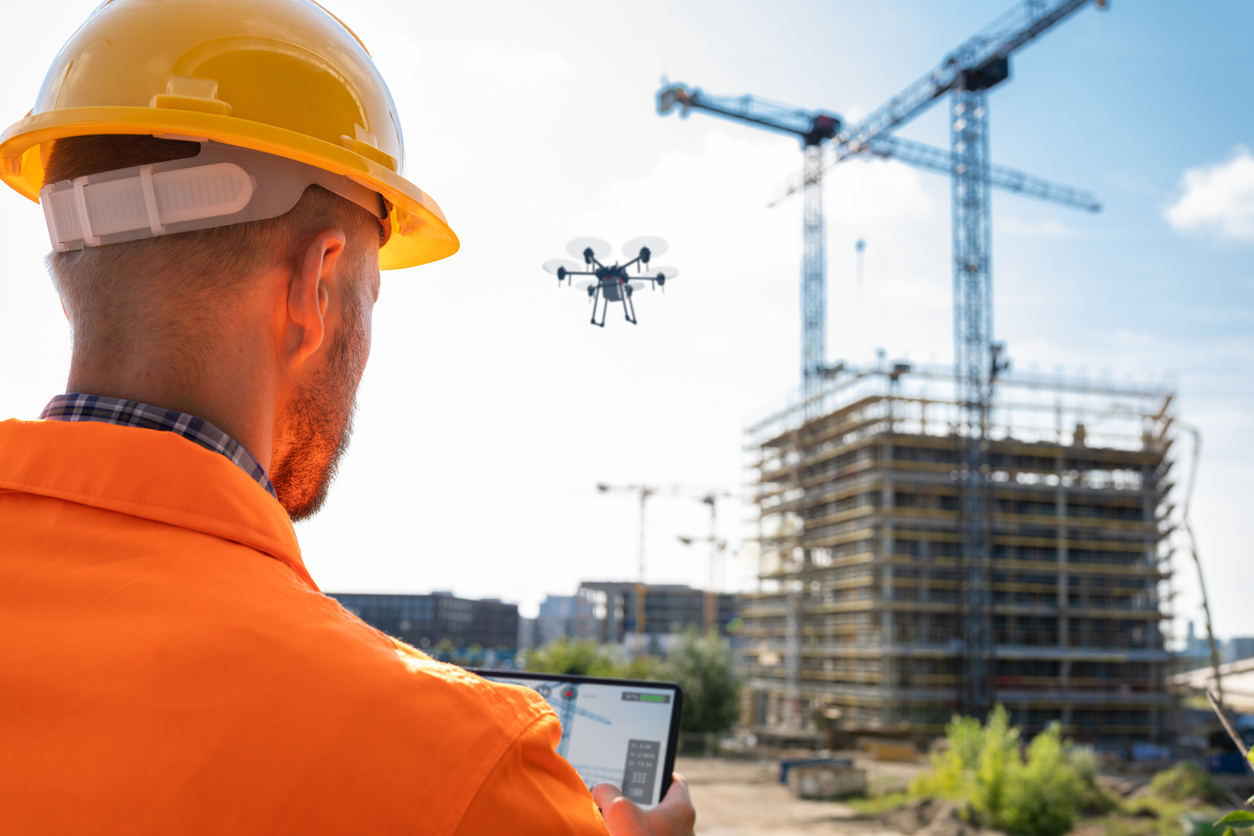
Harnessing Smart Technology to Advance Sustainable Construction
Smart technology has improved both productivity and sustainability for numerous businesses. The construction industry is no exception, given its greater reliance on heavy machinery and technology. Plus, with calls to promote green construction, its contribution to greener practices has been critical.
Smart Technology’s Influence on Construction
Traditional construction would typically rely on human labor and manual methods. When mechanical equipment came to the industry, it was revolutionary. The emergence of smart construction equipment is bound to be the next step that changes the industry.
With smart technology, many phases of the construction project become less dangerous and are completed faster. Its market had already reached $24.4 billion in 2025, with expectations to reach $81.5 billion by 2035.
Making Construction More Sustainable
Smart technology can improve efficiency and precision. However, it’s also key to highlight how it can minimize waste and support smarter resource management. Construction activities account for 37% of carbon emissions worldwide. Simplifying certain steps in building construction can help hit net-zero emissions.
Construction Smart Tech in Action
Many have adopted smart technology for their construction projects. Here are several examples of key equipment and how it improves sustainability.
Energy-Efficient Building Materials
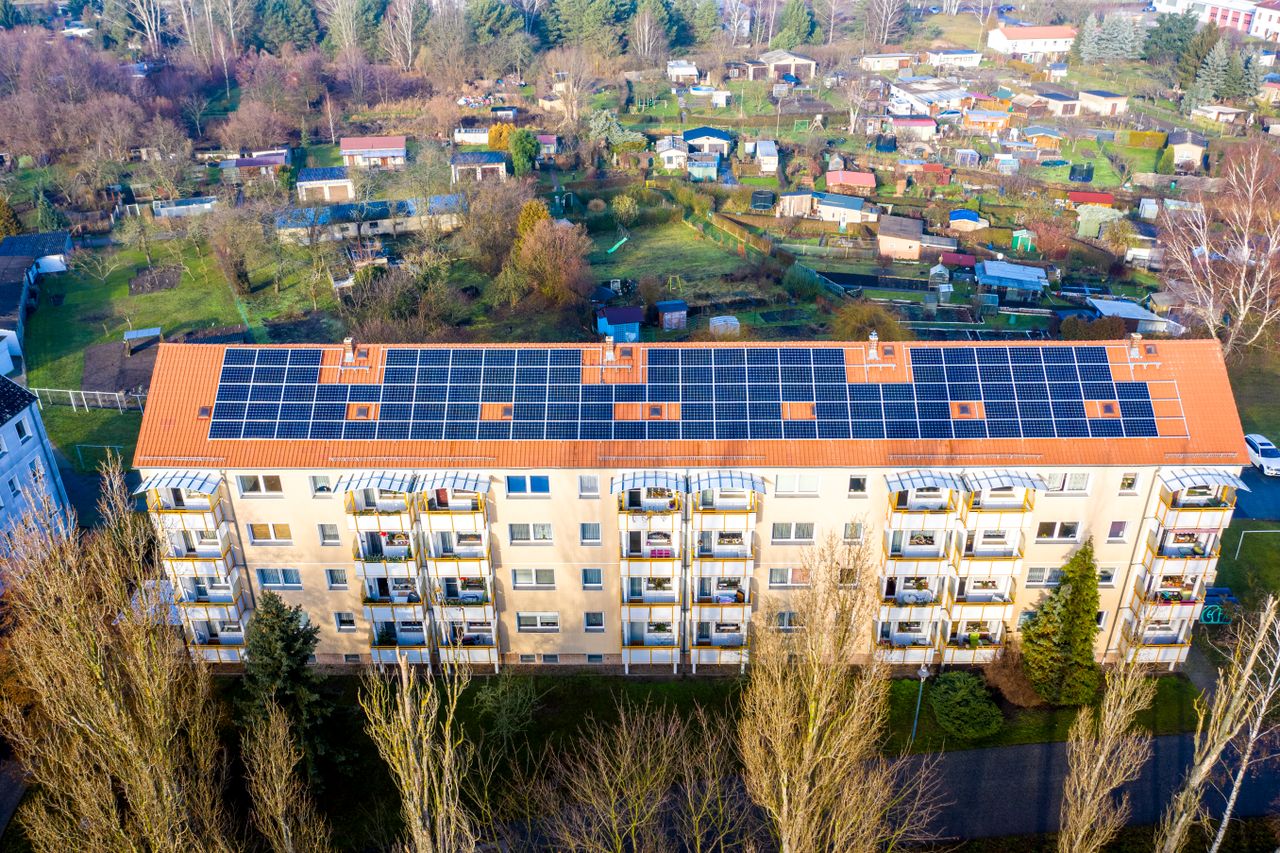
Certain energy-efficient buildings may have an active response to their environment and the changing conditions that come with it. For instance, self-healing concrete can repair cracks over time. Meanwhile, photovoltaic panels can help harness solar energy.
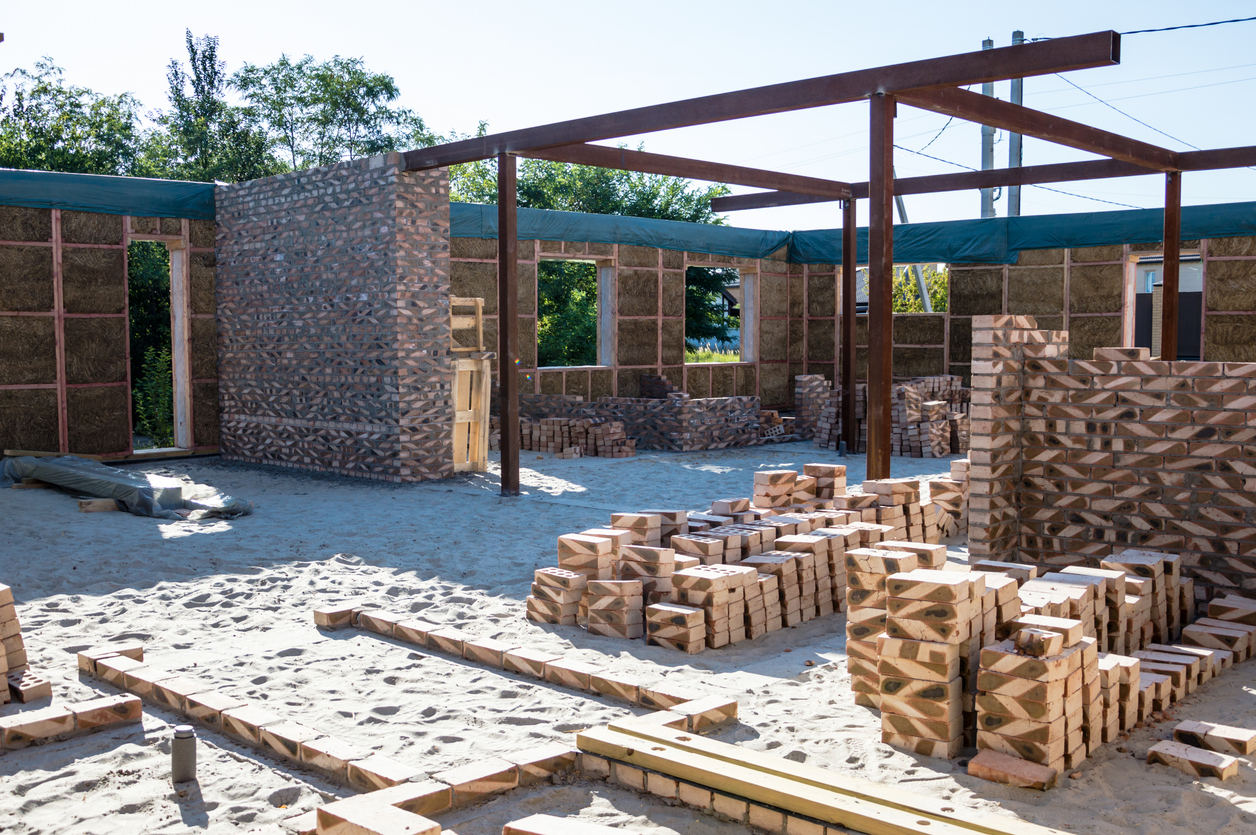
Mixing and matching different sustainable materials can check off several green construction goals. For example, the Genzyme Center’s corporate headquarters consumes 34% less water and 42% less energy because of its sustainable makeup.
Autonomous Equipment
There are multiple repetitive tasks in construction that can become tiring to perform. Thankfully, smart autonomous technology can understand its surroundings and repeatedly carry out tasks with minimal intervention.
For businesses, autonomous machines can take on menial or repetitive tasks, allowing people to focus on more important roles. Using this technology can also minimize risks to human workers by taking on more dangerous tasks, such as excavation and demolition.
Aerial Survey Drones
Traditional surveying would require heavy trucks, equipment and people to navigate terrain. The more difficult the space, the more time and resources are used up. Think of drones as a simpler way to minimize dependence on emission-producing helicopters or planes.
Running aerial surveys is an efficient way to collect the data you need with minimal impact. Plus, it’s fantastic for surveying more sensitive sites that may contain communities, animals and vegetation.
Digital Twin Technologies
Digital twins are virtual representations of objects or systems. In the context of construction, think of it as a way to test out building designs or manufacturing processes without having to use up any valuable resources. Using it can help improve sustainability by enhancing research and planning in the construction project.
Data Analytics
Construction projects can offer numerous insights regarding how a team handles its timelines, site safety, assembly, waste and more. Machine learning algorithms can process that large volume of project data to identify trends and predict outcomes. Use those findings to make changes for any upcoming developments.
Invest in Sustainable Construction Technology
Advancing sustainable construction has been a slow, yet steady, process. Thankfully, the idea of enhancing productivity and safety, while conserving energy and resources through smart technology, has sped things up. Promote these options to companies and make them the norm.
Post a comment