
Why Recycled Paperboard Products Are the Underrated Heroes of Sustainable Living
When you think about living sustainably, you probably picture reusable bottles, eco-friendly bags or cutting down on plastic. However, one of the most impactful choices you can make is much simpler — choosing recycled paperboard.
From cereal boxes to shipping cartons, paperboard quietly supports a more sustainable lifestyle. When you understand how it works, you’ll see why it deserves more attention in your everyday decisions.
The Environmental Impact of Paper Recycling
Paper recycling does more than reduce landfill clutter. It actively conserves resources and cuts pollution. When you recycle paperboard, you help:
- Reduce deforestation
- Lower energy consumption
- Decrease greenhouse gas emissions
- Save water during production
In 2024, 46 million tons of paper were recycled in the United States and turned into new products, such as packaging and tissue. That means your recycled box or carton becomes part of a continuous production cycle.
What Is Paperboard, and Why Does It Matter?
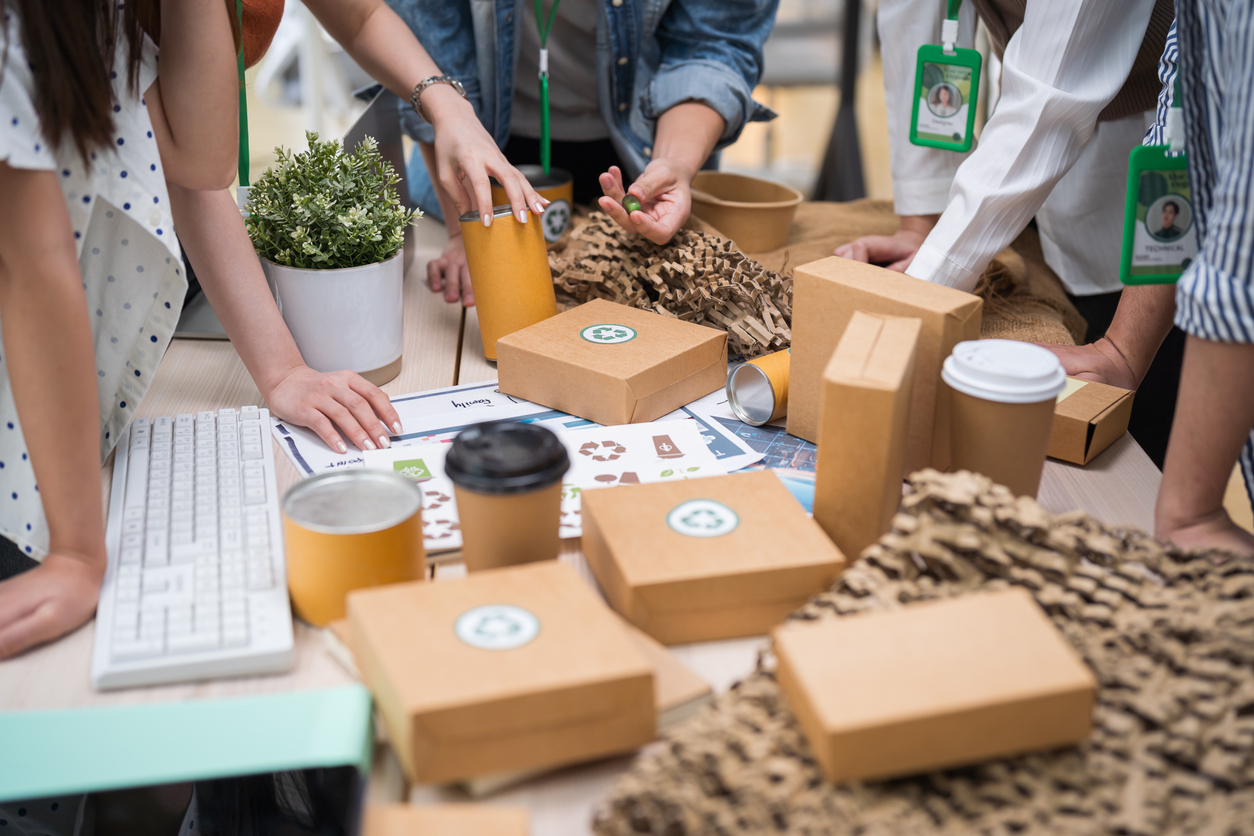
Paperboard is a thick, durable paper-based material used in packaging. You encounter it daily in boxes, cartons and product packaging. Unlike many other options, it comes from renewable sources and fits seamlessly into recycling systems.
When you choose recycled paperboard, you help reduce the need for raw materials and keep existing fibers in use longer. This supports a circular system in which you reuse items again and again.
Beyond recyclability, paperboard offers practical benefits. For example, solid bleached sulfate (SBS) paperboard is odorless and tasteless, making it especially suitable for packaging products, such as cosmetics or food. Manufacturers can safely use it across industries, from food packaging to pharmaceuticals, without compromising product quality. At the same time, its durability allows it to withstand compression and protect items during shipping, reducing damage and waste. When you choose paperboard packaging, you’re choosing sustainability and functionality.
Why Paperboard Beats Plastic in Everyday Choices
Plastic might be convenient, but it often falls short when it comes to sustainability. Many plastic products never get recycled or degrade very slowly over time.
Paperboard offers a better alternative because it breaks down faster, recycles more frequently and integrates easily into existing waste systems. Glass also stands out as a sustainable option since you can recycle it indefinitely. However, it comes with higher transportation emissions due to its weight. Paperboard strikes a better balance by staying lightweight, recyclable and practical for everyday use.
If you want to reduce your environmental footprint, switching to products packaged in paperboard or glass, instead of plastic, is a simple and effective step.
Reuse Is as Powerful as Recycling
Recycling matters. However, reuse stretches your impact even further. When you reuse first and recycle later, you reduce demand for new materials and minimize waste.
Before you throw away paperboard packaging, think about how you can use it again. You can turn boxes into storage organizers, shipping materials or DIY projects.
Even something as simple as wrapping paper can get a second life. Instead of tossing it after one use, you can reuse it. Shred it into strips and use it as a packing filler for various fragile items. This helps protect fragile objects during shipping and adds cushioning to storage boxes. It also offers a biodegradable alternative to plastic packing materials.
The Role of Paperboard in a Circular Economy
A circular economy keeps materials in use for as long as possible. Paperboard fits perfectly into this system.
Because manufacturers can recycle paper fibers multiple times, paperboard helps create a loop where waste becomes raw material again. This approach reduces reliance on virgin resources and supports long-term sustainability.
Businesses are increasingly adopting this model, recognizing sustainability also builds resilience. When you choose recycled packaging, you actively support this shift toward smarter production and consumption.
You can also see this principle extend beyond packaging. For example, some insulation materials use recycled materials, such as shredded paper or repurposed textiles, rather than new resources. When installed properly, these materials help regulate indoor temperatures, reduce drafts and even lower energy costs — proving recycled materials can deliver both environmental and practical benefits.
Reducing Paper Waste in Your Daily Routine
Even though paperboard is recyclable, reducing waste still matters. Whether at home or in an office, cutting down on paper waste becomes even more important. You can make a difference with the following simple habits:
- Print only when necessary
- Use both sides of the paper
- Choose digital alternatives
- Recycle consistently
Small changes in your routine can significantly reduce overall waste over time.
Small Choices, Big Impact
Recycled paperboard products may rarely grab headlines. However, they play a significant part in sustainable living. They’re renewable, widely recycled and incredibly versatile.
When you make conscious choices, such as opting for paperboard packaging, reusing materials and recycling consistently, you take part in a cycle that benefits both the environment and future generations. Sustainability doesn’t always require big lifestyle changes. Sometimes, it starts with something as simple as a box.


Post a comment