

Why Buying Used Medical Equipment Might Be the Most Sustainable Health Care Choice You Can Make
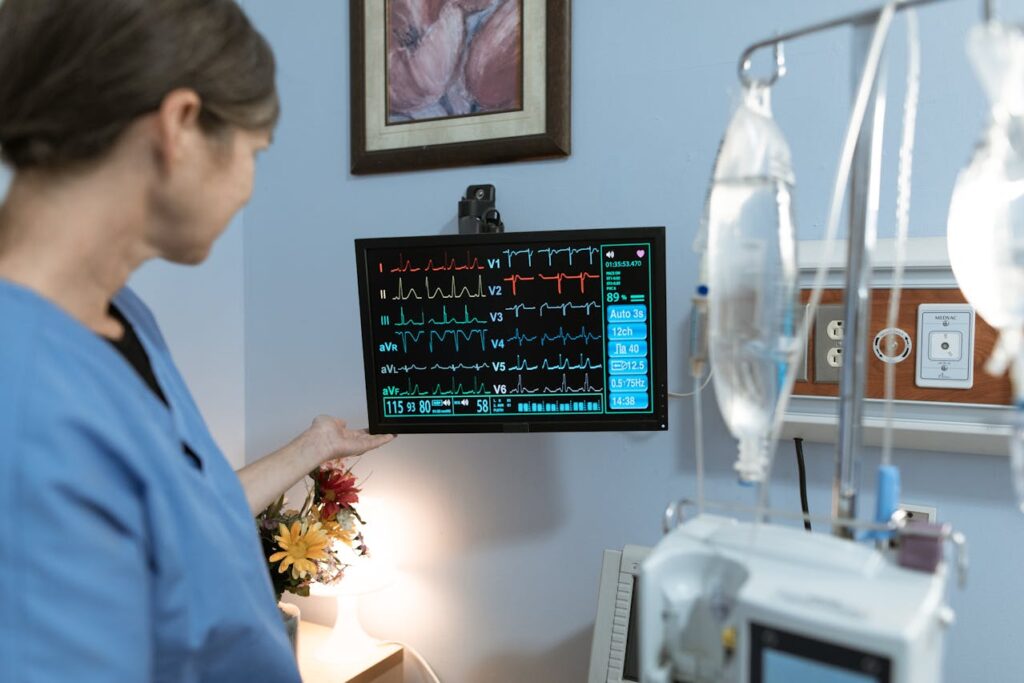
The health care industry’s mission is to save lives. However, in its effort to do so, it has contributed to environmental harm by producing large amounts of carbon emissions from energy-intensive buildings, supply chains and equipment waste.
Here is how you can help reduce waste, practice more sustainable approaches and adopt a circular economy model.
What Is the Sustainability of Medical Equipment?
The industry’s common approach to medical equipment is single-use, which undermines sustainability. Creating medical equipment starts with intensive extraction of metals, minerals and petroleum-based plastics. These raw materials are transported to factories to be manufactured into new items and are then quickly disposed of once used in hospitals and clinics.
The production of large volumes of materials alone results in significant waste and a drain on resources, such as energy and water. In fact, the health care industry accounts for at least 8.5% of carbon emissions in the United States. Additionally, improper disposal of electronic medical equipment containing hazardous materials can significantly damage soil and groundwater at disposal sites.
What Does Medical Equipment Sustainability Mean?
To truly embrace sustainable practice in the economy, you need to shift the approach to a circular economy model. This means prolonging the end-of-life stage of equipment by preventing waste, keeping products in use as long as possible and regenerating natural systems. Given that much of this equipment is made from durable plastics, metals and complex electronics, simply throwing it away contributes to long-term landfill pollution. A circular approach intercepts this waste stream, viewing used equipment as a valuable resource for the future, rather than as trash.
Professional refurbished equipment is the gold standard for a circular economy in the medical industry. In fact, recycled medical equipment drastically reduces waste that ends up in landfills. Reputable refurbishers will disassemble the device, test the components, and replace worn or dated parts with new ones. After those steps, they will perform restoration and calibrate the equipment to keep its original performance and safety standards. The equipment remains reliable and effective at drastically lower price points.
The Tangible Benefits of Choosing Refurbished Medical Equipment
Medical equipment sustainability means extending the device’s life cycle, which has environmental and financial benefits. Around 85% of medical waste is non-hazardous, so minimizing waste and reusing or recycling items should be priorities.
First, you reduce bulky equipment and parts from piling up in landfills. Another benefit is you can reduce carbon emissions by extracting fewer materials, thereby reducing demand for new equipment. Hospitals can save and divert funds to other needs, such as staffing, patient services and department upgrades.
How You Can Support a More Sustainable Health Care System
Electronic waste, including medical equipment, is one of the fastest-growing waste categories globally. Medical professionals can help promote sustainable practices in the industry by advocating for the use of refurbished equipment. For example, administrators can check how hospitals can save by leasing rather than outright buying. Conduct waste audits to identify opportunities to use this method.
These actions can help reduce equipment ownership costs, prolong the equipment’s useful life and ensure proper disposal of equipment. Facilities can gain advanced and expensive technologies they would otherwise not have, helping treat their patients better.
Moreover, these leasing companies can help medical administrators choose devices that are easy to disassemble and recycle at the end of their use case. This approach helps decrease the demand for new equipment and thereby lessens the strain on natural resources and energy-intensive manufacturing processes.
The Future of Medical Equipment
Choosing refurbished medical equipment is the best way to ensure sustainability in the industry. Reducing waste can seem like a small contribution, but it is significantly impactful in lowering carbon footprint and conserving resources. You can do all of this while maintaining a high level of patient care.
A circular economy considers the entire medical production process — from the extraction of raw materials and manufacturing through shipping and product recycling. A sustainable health care system addresses every part of that process to help the planet in the long term.

Post a comment