

World Water Day: How Rain Gardens and Permeable Pavers Fix Local Water Inequality
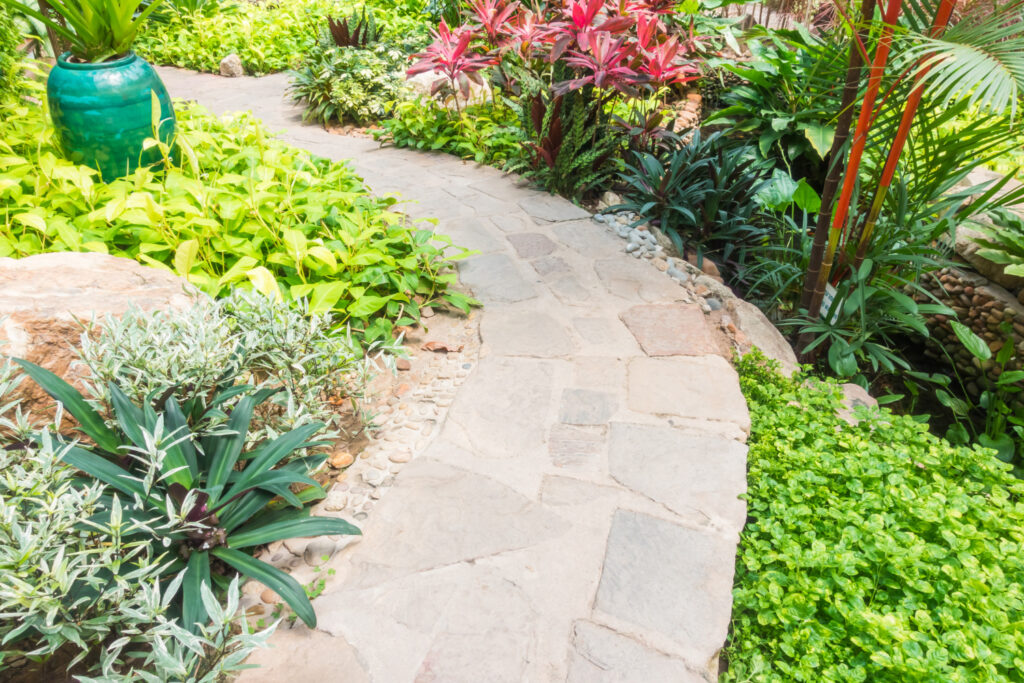
World Water Day on March 22, 2026, has its core theme “Where water flows, equality grows.” While global water scarcity is at the heart of the issue, another key water equity issue exists much closer to home. Every time it rains, runoff travels far beyond your home or street — carrying pollutants, flooding vulnerable neighborhoods and contaminating local waterways. Solutions, such as rain gardens and permeable pavers, offer practical ways for homeowners to improve neighborhood water quality.
Understanding How Your Driveway Affects Local Water Systems
Urban development dramatically alters natural water cycles. When rain falls on forests or fields, soil and plants absorb much of it. In contrast, water hitting pavement flows quickly across the surface, picking up pollutants as it goes.
Motor oil, tire particles, fertilizers, pesticides and microplastics often accumulate on driveways and roads. Rain sweeps these contaminants into storm drains, which can discharge directly into nearby rivers, lakes or coastal waters, without treatment.
A typical city block produces over five times more runoff than a woodland area of the same size. But the problem doesn’t impact all communities equally. Lower-income neighborhoods often sit downstream from heavily developed areas and face higher flood risks.
Stormwater management at the property level can help prevent those impacts before they spread downstream.
Rain Gardens Become Living Water Filters
Rain gardens are one of the most effective solutions for managing stormwater runoff at the home level. These shallow, landscaped areas collect water from roofs, driveways or patios and allow it to slowly soak into the soil.
Unlike ordinary beds, rain garden design focuses on water flow. The basin temporarily holds runoff during storms while soil and rain garden plants filter out over 50% of pollutants before they can reach local waterways — including up to 80% of heavy metals, such as lead.
By creating a rain garden, you are helping to:
- Capture and absorb runoff before it reaches storm drains,
- Filter contaminants through soil and plant roots,
- Reduce localized flooding during heavy rain, and
- Provide a habitat for pollinators and beneficial insects.
Many communities now promote rain gardens as part of broader urban sustainability strategies. There is a hidden health benefit too — such gardens typically drain within 6 to 24 hours, preventing mosquito larvae from developing and thereby helping to reduce the prevalence of West Nile virus and other mosquito-borne diseases.
How to Choose Effective Rain Garden Plants
Plants form the backbone of a successful rain garden. Good choices typically share several characteristics:
- Deep roots to improve water absorption and stabilize the ground
- Tolerance for both wet and dry conditions
- Adaptation to local climate and soil
Popular rain garden plants vary by region, but native plants are ideal because they are better adapted to local weather conditions, including droughts and harsh weather. Options often include native grasses, coneflowers, black-eyed Susans, swamp milkweed and sedges.
Beyond stormwater management, these plants also strengthen local ecosystems. Native plants require less irrigation, attract pollinators and reduce reliance on chemical fertilizers or pesticides.
Permeable Pavers as a Smarter Driveway Solution
While rain gardens capture runoff, permeable pavers on your driveway address the problem at its source.
Traditional concrete and asphalt create solid barriers. Water cannot pass through them, so it flows rapidly across the surface. Permeable pavers work differently. There is a layered gravel base beneath the surface, designed to temporarily store rainwater while allowing it to slowly infiltrate into the soil.
This design provides several advantages:
- Between 70% and 80% of annual rainfall can be captured below the surface.
- Only around 30% becomes surface runoff.
- Pollutants filter through soil layers before reaching groundwater.
- Flooding and erosion decrease around your property.
Modern permeable pavers look similar to traditional driveways, making them easy to integrate into existing landscape designs. They also function well for patios, walkways and parking areas.
Sustainable Landscaping Can Increase Property Value
Green infrastructure improves community environmental outcomes, but homeowners also benefit directly from thoughtful outdoor upgrades.
Landscaping is one of the best ways to enhance a home’s overall value when done well. Even simple improvements, such as strategically placed shrubs and plant beds, can enhance curb appeal and increase market value. Rain garden design and permeable pavers on your driveway extend this concept further by both looking good and delivering environmental benefits. Instead of hiding drainage solutions underground, these features transform stormwater management into a visible landscape asset.
Many municipalities now encourage these upgrades with incentives, rebates, or reductions in stormwater fees. Check your local situation to see if you can benefit from these incentives. Even if this doesn’t apply in your area, you will still gain some protection from flooding and support your neighborhood while improving the visual appeal of your property.
How to Start Implementing Change This Spring
Stormwater pollution may seem like a large-scale environmental challenge, but solutions often begin at the household level.
A single rain garden or permeable driveway can only do so much. However, just as with green roofs, when 25% or more homeowners adopt sustainable solutions across a neighborhood, the cumulative effect becomes powerful.
Green infrastructure works best as a distributed network. Each yard captures a small portion of rainfall, gradually reducing pressure on drainage systems and waterways.
If you’re considering upgrades this spring, you can honor the spirit of World Water Day by starting with a few simple steps:
- Identify areas of your property where water pools or flows during storms.
- Redirect downspouts away from pavement toward garden areas.
- Replace sections of solid paving with permeable materials.
- Consider where you could implement rain garden design.
- Plant the area with native, deep-rooted vegetation.
Spring is the ideal time to take action before summer storms. These adjustments enable landscapes to work with natural water cycles, rather than against them.
World Water Day Begins at Home
World Water Day often focuses on distant regions facing severe water shortages. Those challenges deserve global attention. Yet water equity also begins locally. Every driveway, patio and sidewalk influences how rain moves through a community. When runoff carries pollution downstream, neighbors — often more vulnerable — experience the consequences. Rain garden design and permeable pavers are a practical way to change this dynamic. Water equity can truly begin with simple choices you make for your home.


Post a comment