
How Smart Water Systems Are Fighting Climate Change
When you think of the current measures the world is taking to combat climate change, renewable energy technologies and electric vehicles likely come to mind. However, water management is a significant energy consumer often overlooked. Treating, pumping and delivering water requires ample power and creates a massive carbon footprint. To address this, cutting-edge smart water systems aim to intelligently slash consumption, reduce emissions and generate greater resilience against climate-driven shortages.
The Problem: Water’s Massive, Hidden Carbon Footprint
You may not consider how much energy you consume when you flush a toilet or turn on the kitchen faucet, but the water supply expends a tremendous amount of power. In many municipalities, drinking water and wastewater facilities account for 30% to 40% of total energy consumption.
The overall input from these systems is just 2% of total energy use in the United States. Yet, they emit over 45 million tons of greenhouse gas emissions annually — a significant contribution to climate change — and account for nearly 40% of operating costs.
This is happening because water streams thousands of miles to reach your home or business, which demands ample power. As groundwater sources become increasingly depleted, the energy required to pump water to the surface continues to increase. For this reason, every drop of wasted water carries a substantial and unnecessary carbon footprint.
There’s a dangerous cycle occurring as higher emissions exacerbate climate change. The impacts are placing undue stress on traditional water supplies due to more frequent and prolonged droughts and diminished mountain snowpack.
In fact, research shows human activities already caused a 23.7% decrease in water availability between 1971 and 2000. The crisis is escalating, with scientists projecting the global population will increase by 22% to 34%, leaving half of the world’s inhabitants facing water scarcity.
The Solution: Making Every Drop Count with Smart Water Technology
Switching from reactive management to proactive, intelligent water conservation is crucial to fighting climate change. Fortunately, advanced smart water systems offer a true opportunity to create a more efficient water grid. These digital tools transform raw data into actionable insights, so utilities and consumers, like you, can ensure each drop of water counts.
Advanced Metering Infrastructure
Advanced metering infrastructure (AMI) is a series of smart meters that deliver real-time data. The technology replaced outdated manual readings, giving utility companies and consumers a more accurate depiction of their water usage.
AMI is a game-changer for large-scale industrial users, in particular, who consume 59% of the water supply in high-income countries. Applying it empowers consumers and utilities to identify inefficiencies and reduce waste using precise insights. Doing so ultimately transforms water management from guesswork to proactive, data-driven decision-making.
AI-Powered Leak Detection
The national infrastructure is aging. Modernizing the system could cost $625 billion over the next 20 years, yet each leak causes significant energy and water waste. Leak detection sensors, powered by artificial intelligence (AI), are a viable solution.
When deployed across the water grid, the devices monitor flow and pressure and learn about the system’s behavior. When a new leak develops, AI sensors detect it and pinpoint its exact location, enabling utilities to repair it before it causes a catastrophic loss of water and power.
Predictive Analytics for Demand Management
Predictive analytics uses intelligent forecasting to inspect and keep equipment in working order. The use of these technologies is crucial for utility entities to make necessary improvements.
Analyzing historical data, weather patterns and local events enables water management facilities to optimize operations. For instance, they might schedule intensive water pumping during off-peak hours, when electricity costs and grid strain are lower. This effectively reduces operational costs and energy consumption.
The Dual Benefit: Conserving Water and Cutting Carbon Emissions
Smart water systems encourage you to take greater control of your environmental impact and utility costs. Simple actions, like monitoring your water use and detecting leaks, can help you identify significant waste courses and inefficiencies in your appliances.
For example, a household with four people consumes nearly 90,000 gallons of water, if it has older toilets. Replacing those older models with water-saving alternatives, often using between 1.5 and 1.6 gallons of water per flush, reduces water and energy consumption. Overall, this upgrade can save around 25% in household water usage.
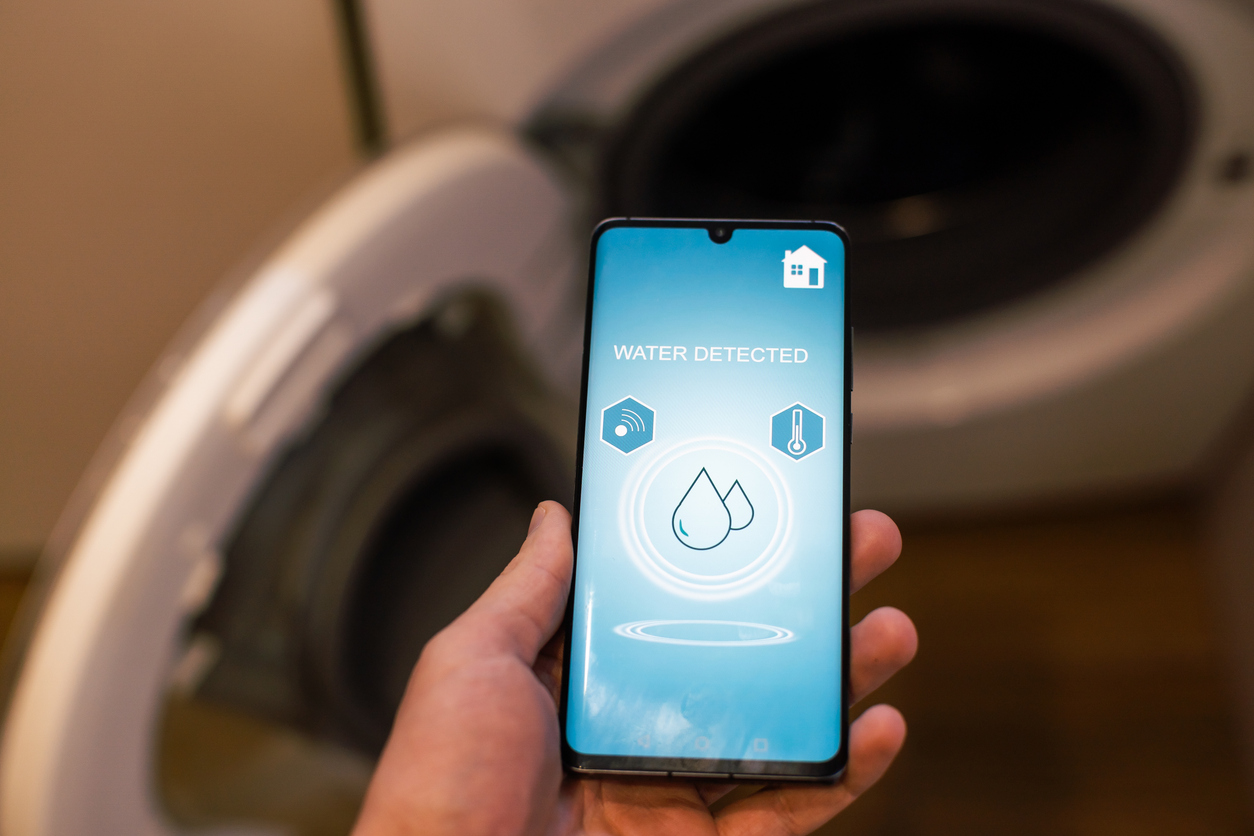
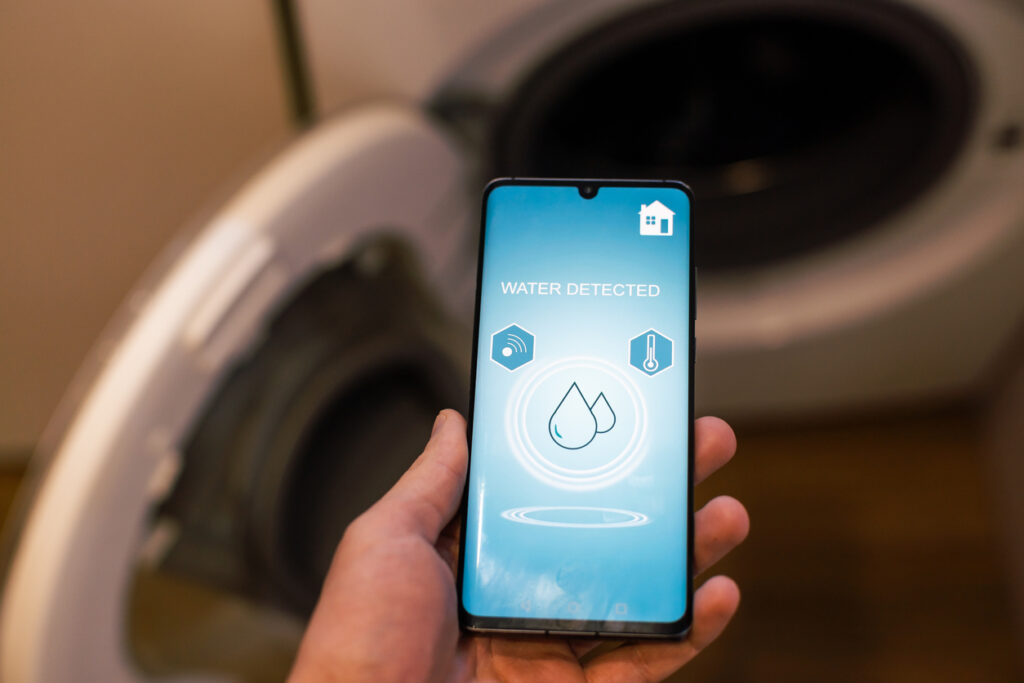
In one study from Auckland, New Zealand, researchers found replacing conventional meters with smart meters helped consumers save about 5% on water usage. The accompanying mobile app provided them with real-time insights and leakage alerts, enabling them to manage their consumption more easily.
Building a Resilient Future in the Face of Climate Change
The rise of smart water systems sets the foundation for a more resilient future. From conserving water to reducing energy consumption, these technologies provide the real-time data and control needed for adaptation. The transition is a critical infrastructure upgrade for more secure and sustainable communities.


Post a comment