

The Future of Algae Farming: Sustainable Solutions From Blue Innovation Hubs

Algae rarely gets enough credit and, when most people think of algae, they picture pond scum or slimy seaweed washed up on shore. However, marine vegetation farming now sits at the center of a fast-growing green economy. Scientists, investors and policymakers view algae as a strategic resource — one with the potential to reshape food systems, restore ecosystems and even fuel aircraft.
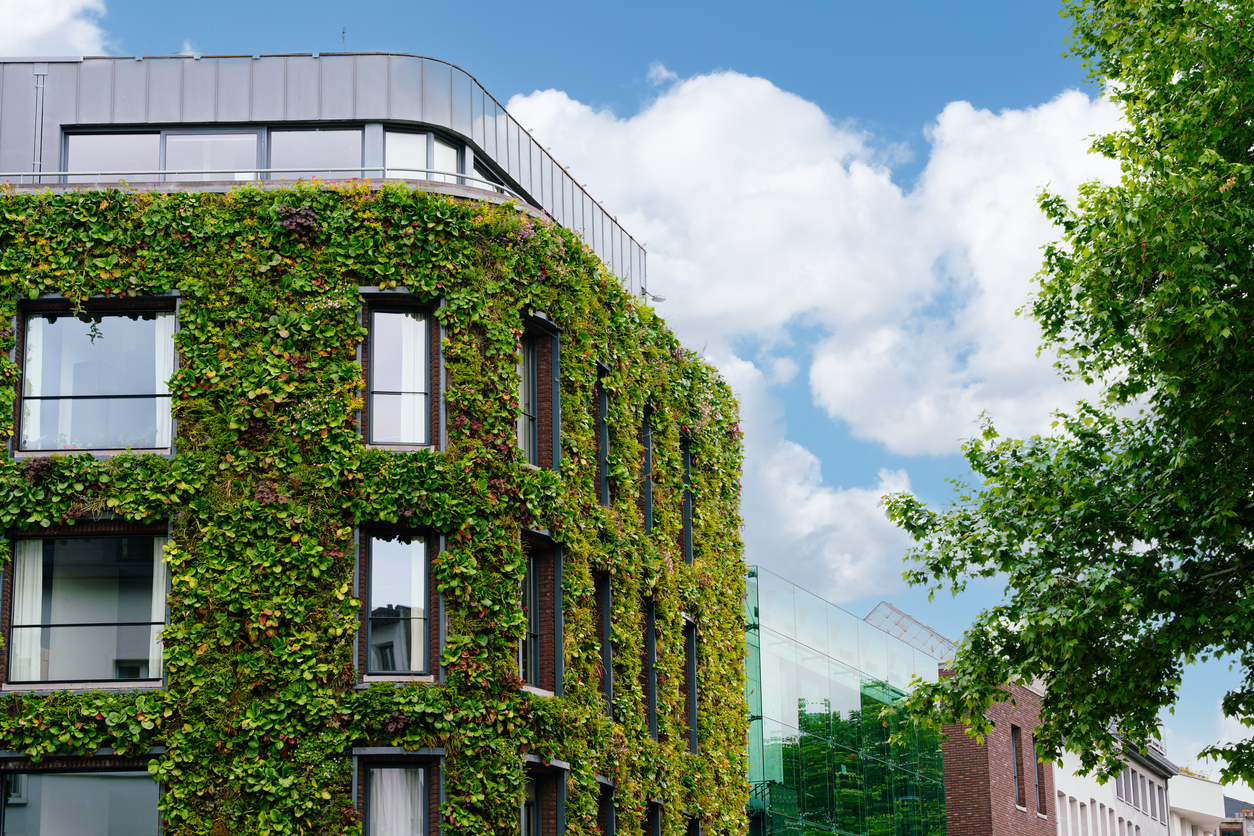
As sustainability moves from buzzword to daily priority, aquaculture offers practical solutions. Its impact stretches from local coastal communities to building facades and global industries, such as aviation.
How Is the Blue Economy Growing?
Across Europe, the “blue” movement’s momentum has accelerated. The Atlantic and Mediterranean coastlines now host blue economy hubs, with investments totaling €5.7 million — $6.7 million in U.S. dollars — to help growers get up and running.
Various places, including Sicily and Germany, are involved in diverse projects that have taken water-based crops beyond their niche role as a supplement ingredient. Algae now plays a role in food processing, aquaculture, environmental recovery and circular bioeconomy programs.
What Are the Benefits of Algae Farming?
Algae farming is different from traditional land-based agriculture.
Minimal Environmental Footprint
Unlike corn or soy cultivars, algae does not require fertile soil. Farmers cultivate it in saltwater ponds, offshore systems, vertical tanks or enclosed bioreactors. This approach does not need arable land, and it cuts pressure on fresh water supplies. Innovative systems designed to conserve land and water are shaping the future of agriculture, and algae fits squarely within the shift toward resource-efficient production.
Rapid Growth and High Yield
Depending on the species, these aquatic organisms can significantly increase their biomass with adequate light. Algae’s rapid growth rate is why it’s used to clean wastewater and manage oil spills. Traditional crops require months before harvest, while aquatic species grow faster and have higher productivity per square foot. When space and water are at a premium, efficiency matters.
Carbon Capture Powerhouse
Biomass absorbs carbon dioxide during photosynthesis. Large-scale algal farms double as carbon sinks, drawing CO2 from industrial emissions or the atmosphere. Some projects position cultivation ponds near factories or power plants to capture emissions before they enter the open air. Instead of releasing carbon, these blue farms transform it into biomass.
For families and businesses seeking climate solutions, this combination — land preservation, water efficiency and carbon capture — makes marine microflora farming an appealing model.
How Do Blue Innovation Hubs Support Algae Farming?
Algae’s rapid rise has not happened in isolation. Blue innovation hubs have helped accelerate research, funding and commercialization.
Defining Blue Innovation Hubs
These centers focus on the water-based economy. Collaborative initiatives bring together researchers, startups, fisheries, investors and public agencies. These public-private partnerships help scale sustainable marine and freshwater industries based on cultivating biomass.
Fostering Research and Development
Developing at scale requires experimentation, and scientists test strains for oil content, protein levels and resilience. Engineers refine photobioreactors and harvesting systems. Entrepreneurs design new applications for algae-derived materials.
Innovation hubs provide lab space, technical expertise and access to funding. The infrastructure shortens the gap between scientific discovery and commercial production. Instead of knowledge lingering in isolated research papers, the ideas move into pilot plants and real-world deployment.
Example in Action
The European Union has invested heavily in the EU Algae Initiative, which outlines various actions to increase blue-economy production and utilization of this natural resource. These efforts support aquaculture, food innovation and environmental restoration projects. Fisheries benefit from algal-based feed alternatives, while coastal regions gain new revenue streams tied to sustainability.
What Innovations Are Driving Algae Farming Success?
The versatility of this natural material fuels its increasing popularity. Breakthrough applications now extend beyond food and cosmetics into heavy industry.
From Algae to Energy
Many species contain high levels of lipids or natural oils. Producers extract and refine these oils into biofuels. Unlike fossil fuels, these are derived from renewable biomass and absorb carbon during growth.
Fueling the Future of Flight
The aviation industry faces mounting pressures to cut emissions. Groups, such as Airlines for America, have set a goal of producing 2 billion gallons of sustainable biofuel by 2030 to help reduce the high CO2 emissions from high-octane jet fuels.
Sustainable aviation fuels (SAF) offer one of the most promising pathways toward lower emissions. According to the analysis on decarbonization strategies in aerospace, they can reduce life cycle CO2 emissions by up to 80% when compared to conventional jet fuel, and they function as drop-in replacements for existing aircraft engines. Green fuels can often be produced from waste products and lipid-rich biomass, such as algae.
Marine-based feedstocks provide a compelling option for SAF production. High oil yield and rapid growth make it an attractive raw material. Instead of drilling underground reserves, producers cultivate renewable resources in controlled systems.
Beyond Fuel
Innovation does not stop at aviation. Companies are now developing biodegradable plastics from algae-derived polymers. Aquaculture operations use this feed base to reduce reliance on wild-caught fish meal. Wastewater treatment facilities employ it to remove excess nutrients and heavy metals, improving water quality while producing usable biomass.
Can Algae Farming Provide Sustainable Solutions?
Evidence suggests algae farming is sustainable, as its biomass is fully renewable and carbon-neutral throughout its life cycle.
Discovering A Circular Economy Champion
Aquatic microflora farming aligns naturally with circular economy principles. Facilities can use industrial CO2 emissions as feedstock to nourish the photosynthetic organism. Wastewater rich in nutrients can support algal growth during purification, and the harvested biomass can then serve as fuel, feed or a raw material for new products.
Few agricultural systems operate with such integrated loops. Instead of generating waste, its production transforms byproducts into resources.
Enhancing Food Security
Algae is a rich, bioavailable source of protein, essential fatty acids and micronutrients. It grows without competing for farmland needed for stable crops. As the global population grows, non-land-intensive food sources become increasingly important. It supplements diets without displacing traditional agriculture.
Restoring Ecosystems
Excess nutrients in lakes and coastal waters cause harmful algal blooms. Controlled cultivation can remove these nutrients before they trigger ecological damage. In some restoration projects, it assists in bioremediation, absorbing pollutants and improving water clarity. It’s also a champion in the war on microplastics, with a 91.4% efficiency rate when a single gram of biomass removes 0.1 grams of microplastics from water.
How Is Algae Farming Transforming Sustainability Efforts?
Algae cultivation signals a broader shift in sustainability thinking. Rather than minimizing harm, industries now explore regenerative models. Where traditional methods aimed to reduce damage, algae systems actively capture carbon, clean water and generate renewable materials. This restorative approach reframes environmental action as an opportunity rather than a sacrifice.

Post a comment