
Breaking the Wildfire-Grid-Drought Cycle: Integrated Strategies for Climate-Resilient Infrastructure
In recent years, climate change has brought disastrous effects to the country. Heat waves and wildfires have become increasingly common, affecting millions of people nationwide. As it stands, a lot of the existing infrastructure is not only prone to disaster-induced damage, but can also exacerbate its effects, deepening the harm of already painful circumstances.
A prominent example can be seen with what experts call the “wildfire-grid-drought” cycle, a feedback loop where parched landscape leads to fires, resulting in power grids being damaged, which in turn makes it harder to manage the water you need to fight back. To stay ahead, urban planners must move beyond a reactive approach and work to build infrastructure that can withstand a changing climate. With better grid design and tech integration, the loop can be broken
How Wildfires, Grids and Drought Fuel Each Other
The relationship between the environment and necessary utility systems has brought about a high-stakes balancing act that accounts for many turning parts.
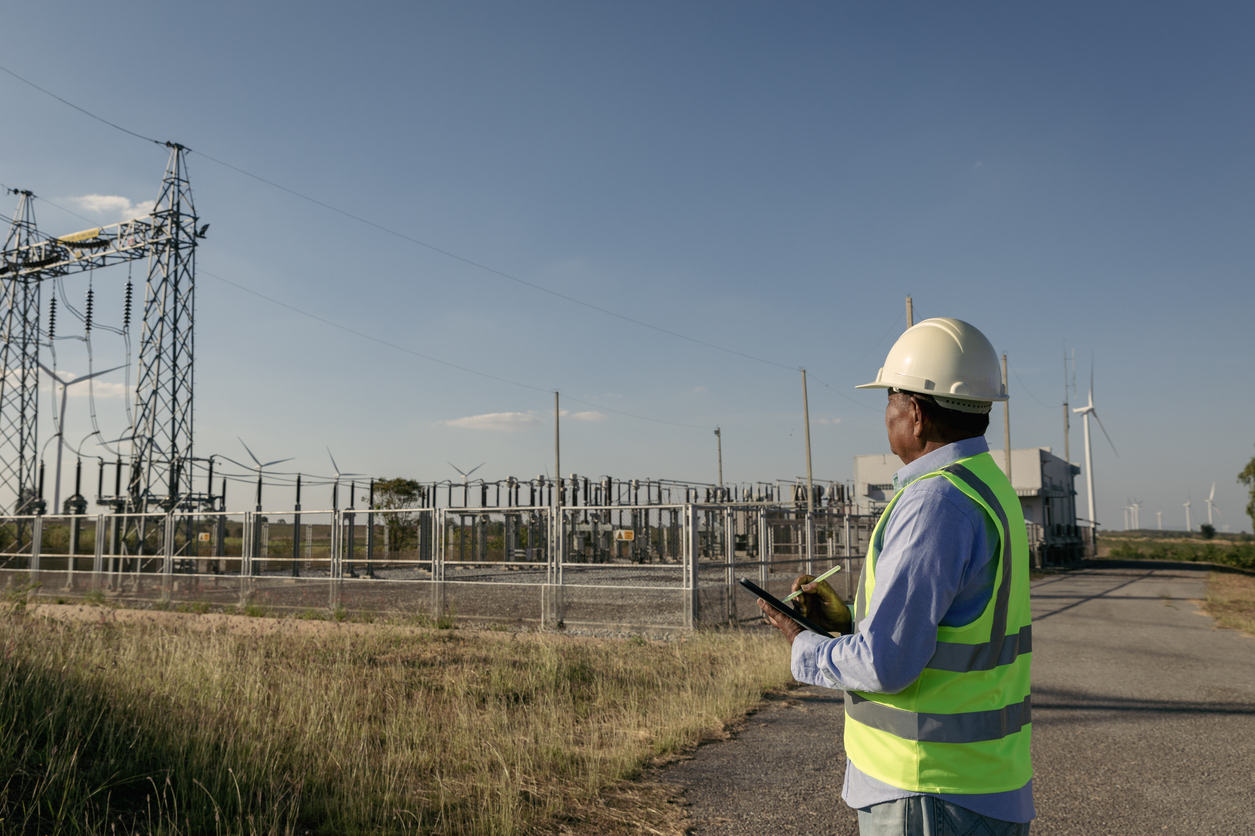
Currently, there is a bidirectional risk where power grids can overheat and ignite fires, and those same wildfires can destroy the grid. This is especially true given the number of strained, aging power lines running through dry, overgrown terrain. In moments of high wind, a single spark from a swaying fire ignites surrounding vegetation and brings havoc.
And once a fire spreads, it doesn’t take long for key infrastructure, such as transmission towers and substations, to become targets. This can lead to long and arduous long-term blackouts capable of leaving you without essentials for days or even weeks. Droughts are the main catalyst in these scenarios, as they turn the landscape into dry fuel while lowering the water levels needed for hydropower. This puts strain on a system residents in the area need the most for cooling their homes.
Reimagining Grids with Smarter Infrastructure
To break the cycle, there must be a fundamental update to how power is delivered and managed. One of the most effective paths forward is “grid hardening.” This involves making physical upgrades to the equipment in an area, such as replacing old wooden poles with fire-resistant steel and installing specialized insulated wires that won’t spark if a tree branch comes into contact with them. In the highest-risk zones, utilities are increasingly moving lines entirely underground to eliminate the risk of wind-induced ignitions and spread.
However, physical strength is only part of the battle. Staying ahead of risk through data use is also a key consideration. Advanced sensors and AI-driven monitoring now provide utilities with a real-time look at a power line’s health. These analytics can identify a line at risk of failing and shut it off automatically before a fire ever starts. You are also seeing a move toward microgrids, which are smaller and localized energy systems.
If the main grid goes down during a storm or fire, a microgrid can “island” itself, ensuring local hospitals, grocery stores and emergency services keep the lights on for you and your community. For these facilities, choosing between centralized and distributed power protection is vital to ensuring backup systems are efficient and reliable during prolonged outages.
Sustainable Management and Drought Mitigation
Effective water management is also imperative in breaking the wildfire-grid-drought cycle. Drought is a management challenge as much as a weather event. In agriculture, using precision tools like drip irrigation and planting drought-resistant crops can significantly reduce the amount of water drawn from the environment.
There is also a need for greater emphasis on water recycling. Treating and reusing wastewater for industrial processes or landscaping keeps our clean freshwater available for drinking and emergency fire response. On a larger scale, restoring natural features, like wetlands, helps recharge groundwater. These nature-based solutions act as a sponge, holding onto water as a natural buffer when the rain stops and creating green firebreaks that can slow a moving blaze.
Integrated Solutions as a Holistic Path to Resilience
The reality is fire-proof poles don’t help if there’s no water to fight a fire, and full reservoirs are useless if the pumps don’t have power. There is a need for more synergistic planning where power companies, water managers and forestry departments work together. When these groups coordinate, they can find cost-effective ways to protect the whole system rather than fixing one piece at a time. There is a need for climate resilience, which emphasizes building societies with disaster resilience in mind.
Your role matters, too. Individual actions, such as fire-wise landscaping and water conservation, help reduce overall stress on these systems. Funding these projects also requires a mix of public and private investment, such as green bonds, to ensure we can afford the large upgrades without passing all the costs to consumers.
A Future Built to Last
While the wildfire-grid-drought is a jarring problem today, it is a fixable one. The technology needed to address these foundational issues exists. What needs further cultivation is conviction. By pushing for the modernization of grids, managing water more efficiently and mindfully, and ensuring agencies have the necessary discussions to get the right infrastructure in the right places, we can design a system that is safer and more reliable in the long haul.


Post a comment