
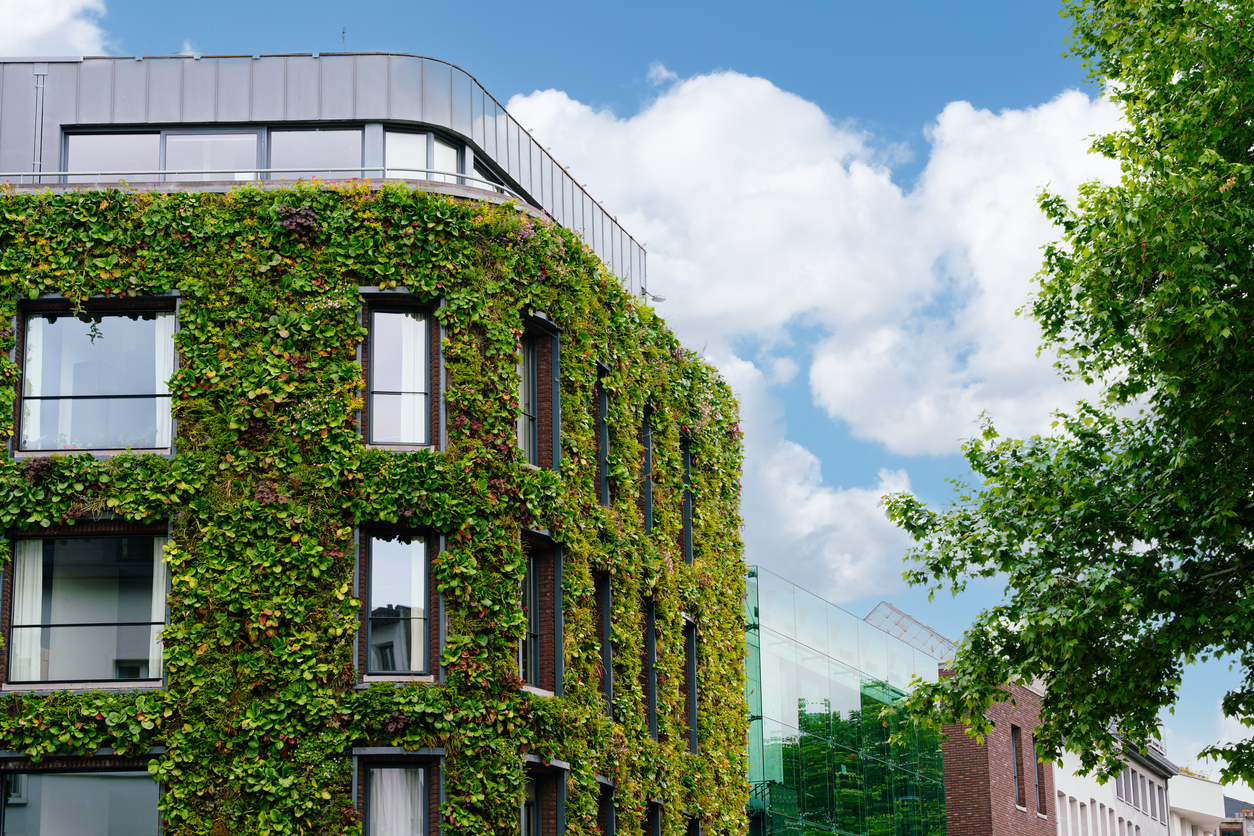
What If Every Building Cleaned the Air? The Rise of Urban Photosynthesis Projects
The built environment shapes how individuals live, move and breathe. Yet, it also plays a major role in climate change. Hardscaping in constructed environments reduces the number of plants available to filter air and produce oxygen, and concrete and other architectural materials can also emit harmful substances and carbon dioxide (CO2).
Urban photosynthesis projects aim to turn the problem into part of the solution. Instead of acting as passive structures, buildings begin to function more like trees, absorbing CO2, filtering pollutants and even generating renewable energy.
Concrete Structures Become Living Systems
Urban photosynthesis refers to design strategies that mimic natural processes in buildings. Just as plants use sunlight to convert CO2 into oxygen and energy, new architectural technologies capture sunlight, grow biomass or support vegetation that improves air quality. You can see this concept in:
- Green roofs covered in vegetation
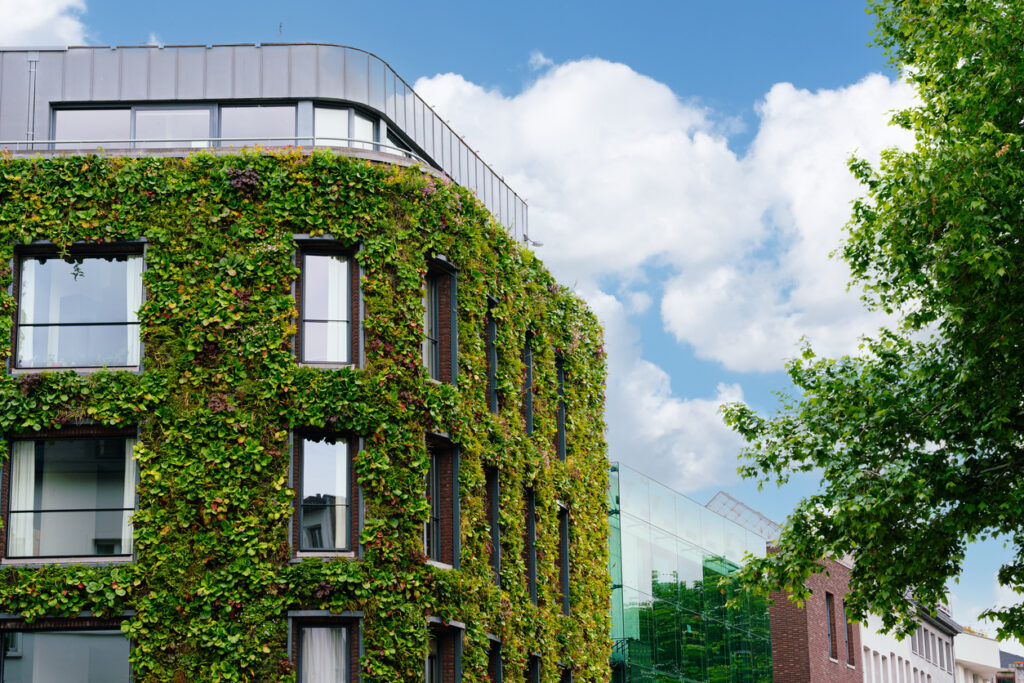
- Living walls filled with plants
- Algae-powered facades
- Biomimetic exterior panels
The goal is simple — reduce pollution, lower carbon emissions and create healthier spaces where you can live and work.
Greening From the Top Down
One of the most established examples of urban photosynthesis is the green roof. Instead of traditional asphalt or synthetic sources, these roofs support soil and plant life.
Green roofs significantly reduce heating and cooling energy use while improving air quality and biodiversity. Plants absorb CO2 and trap airborne particles. Simultaneously, they insulate buildings, keeping interiors warmer in winter and cooler in summer, thus reducing the need for HVAC units that may release harmful gases.
Sustainable roofing choices go beyond vegetation. Cool roofs reflect sunlight to reduce heat absorption, while solar-ready surfaces support the installation of renewable energy systems. Environmentally responsible roofing refers to the use of technology to create surfaces, such as green roofs, that are both visually pleasing and equipped to combat the heat-island effect of concrete, minimizing the development of thermal hot zones.
If this approach were implemented at scale across a city, rooftops could transform from heat-trapping surfaces into climate-regulating alternatives.
Designing Living Facades That Capture Carbon
Facades offer another powerful opportunity beyond the structure’s appearance. Microalgae photobioreactor systems can circulate algae within transparent panels. The algae use sunlight and atmospheric CO2 to grow, producing biomass that can be used to generate bioenergy. Using folded panels can enhance this system’s potential by 29.6%, further helping maximize CO2 sequestration.
Research aims to account for the 37% CO2 emissions buildings produce by turning structures into beneficial alternatives. The same study found using Chlorella vulgaris algae in exterior panels achieved an efficiency above 50%. Annual carbon sequestration per structure could range from 84.87 kg to 770.13 kg for curtain-walled designs.
These numbers show how architecture itself influences environmental impact. Wall geometry, orientation and algae strain selection directly affect how much carbon a building can offset.
Materials That Heal and Protect
Urban photosynthesis extends beyond plants. Many green innovations fall under broader sustainability movements that blend biology and engineering.
Self-healing bio-concrete offers one example. Dormant bacteria or mold spores and their food sources are mixed into concrete. When a crack forms and water enters, the bacteria awaken and consume their food, growing and producing calcite to seal the damage. The approach reduces the need for concrete, a carbon-intensive product. Bio-concrete is also carbon neutral, making it a much better choice than Portland cement.
Clean Air Inside and Out
Using the concept of photosynthesis, in which biological sources absorb CO2 during their natural energy production processes, also benefits air quality. Indoor respiratory experiences matter as much as outdoor conditions.
Traditional construction materials continue to emit volatile organic compounds (VOCs) for years. These emissions contribute to indoor pollution and may increase the risk of liver damage, cancer and long-term health concerns.
Living walls, natural ventilation strategies and low-emission sources can help reduce those risks. When buildings incorporate plant systems and cleaner materials, you gain healthier indoor environments and cleaner air.
A Future Where Buildings Breathe
Urban photosynthesis projects take many forms, from algae facades and bacteria-enriched concrete to green rooftops. Climate solutions don’t always require a new blueprint. Sometimes, they involve redesigning what already exists.
Rooftops can grow plants, walls can host algae and concrete can heal itself while absorbing CO2 instead of releasing it. The materials you choose to build with can limit harmful emissions thus turning every breath from poison to pleasure.

Post a comment