

The Carbon Footprint of Wasted Water: Why Water Conservation Is Climate Action
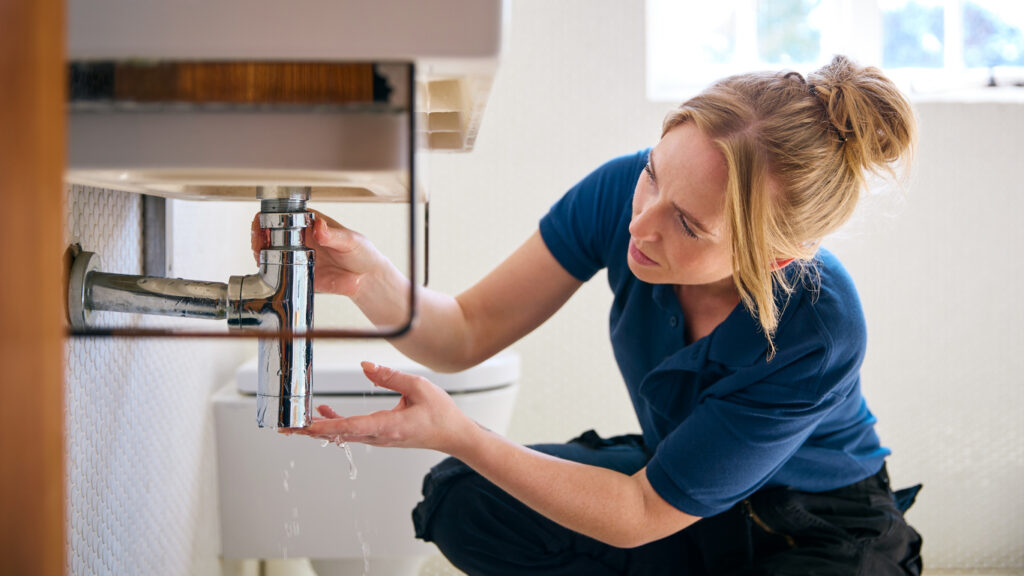
Water leaks from pipes, both underneath your home and throughout your household, could threaten your community. It could disrupt the flow of clean water to your family, while reducing access to neighbors and businesses. Water waste also occurs in ways beyond simple leaks, including overusing sprinklers and washing partial loads of dishes. Discover how you can contribute to water conservation and lower the climate impacts of overconsumption.
The Carbon Footprint of Wasted Water
The climate impact of wasted water goes beyond your personal usage, whether you run the faucet while you brush your teeth or dump unused pasta water. The precious resource undergoes a laborious journey, generating significant carbon emissions, before reaching your home.
First, companies extract the water from habitats. Rivers, lakes and underground aquifers are all stripped of their reserves. Then, pumps and heavy-duty trucks transport it, often across long distances, to reach treatment plants for distribution. These plants use heat, chemicals and other carbon-intensive strategies to make it usable for residential areas.
Companies also spend tons of resources to get your water to you. Distribution is expensive from both financial and carbon perspectives. After your community uses this treated water, it has to travel even farther. Wastewater either undergoes retreatment or is dumped, producing greenhouse gases and polluting waterways.
This hidden carbon footprint needs attention from corporations to make the most significant change, but your home can help, too. In numbers, the worldwide wastewater and management industry accounts for 3% of global emissions, but it could reduce its impact by 45% through the implementation of eco-friendly strategies. Improvement is possible.
The Importance of Water Conservation in Residential Areas
Raising your awareness of the many ways water conservation represents climate action is the first step, manifesting in different ways throughout your home and community.
Reducing Water Heating Demands
When you use more water, heaters have to expend more resources to heat it. Because most of these processes are powered by fossil fuels, something as simple as cutting shower time can drastically reduce personal carbon footprints. Water heating accounts for 18% of the average American utility bill — the second-most prominent budget stressor.
Making Energy-Efficient Technologies Better
While you can install water-smart equipment in your home, such as appliances with the WaterSense label, they work optimally when you first cut excess consumption. Replacing showerheads, faucet aerators and toilets with low-flow options contributes to the greater good. Since 2006, certified WaterSense products have prevented 379 million metric tons of emissions and saved $207 billion in energy and water bills.
Lowering Landscaping Footprints
Using sprinklers and tending to your property are among the most consumptive activities. This is why many people have created DIY solutions, like rainwater barrels that can collect up to 1,000 gallons of reusable rainwater from a 2,000-square-foot roof. These free resources are perfect for caring for your outdoor spaces without putting pressure on freshwater utilities and treatment facilities. You can also plant drought-resistant plants that consume less water, or connect irrigation to rainwater barrels for an even more automated setup.
Lessening Emissions Associated With Leaks
National infrastructure is aging, and it could cost $625 billion to bring it up to modern standards in the next 20 years. Right now, it is full of leaks and outdated piping. Every leak wastes water and energy, both of which have a carbon footprint. When you consider the lengths companies go to transport, treat and provide water to your home, the carbon impact balloons. While these big-picture efforts are important, your home leak-prevention efforts are essential, while experts improve the network.
The Best Ways to Detect Water Waste
Some detection methods should be left to the professionals, such as inspecting subsurface pipes. However, you have the agency to make a difference by increasing your vigilance. Here are the most tangible ways you can be a changemaker in your community, starting with spotting sneaky water waste in your home:
- Review water meters: Check usage levels regularly for any changes, noting random spikes, especially during times when water is not typically used. This could indicate a leak.
- Do toilet dye testing: If you put a few drops of food coloring into your toilet tank and wait, you could find leaks in less than 30 minutes if your bowl suddenly changes color. Fix this by simply replacing a part.
- Check utility bills: Water statements have usage data, and you can see if an unexpected surge in cost is related to abnormally high consumption.
- Trust your instinct: Sometimes, simple observations can spot the most harmful influences, like a faucet drip or a weird sound coming from the water heater.
Noticing even the smallest things can save you tons of water and money. The Environmental Protection Agency estimates a leaking faucet can cost 3,000 gallons annually, or the equivalent of 180 showers.
Turning Small Drops into Great Change
Every action you take contributes to a better world, and prioritizing water conservation is one of the easiest and most approachable ways to get started today. Once you raise your awareness of the small ways you can make a difference in your home, spread the word so your family and neighbors can collaborate in reducing scarcity and overconsumption.


Post a comment