

Cutting Corners or Cutting Carbon? The Truth About Environmental Compliance in Trade Industries
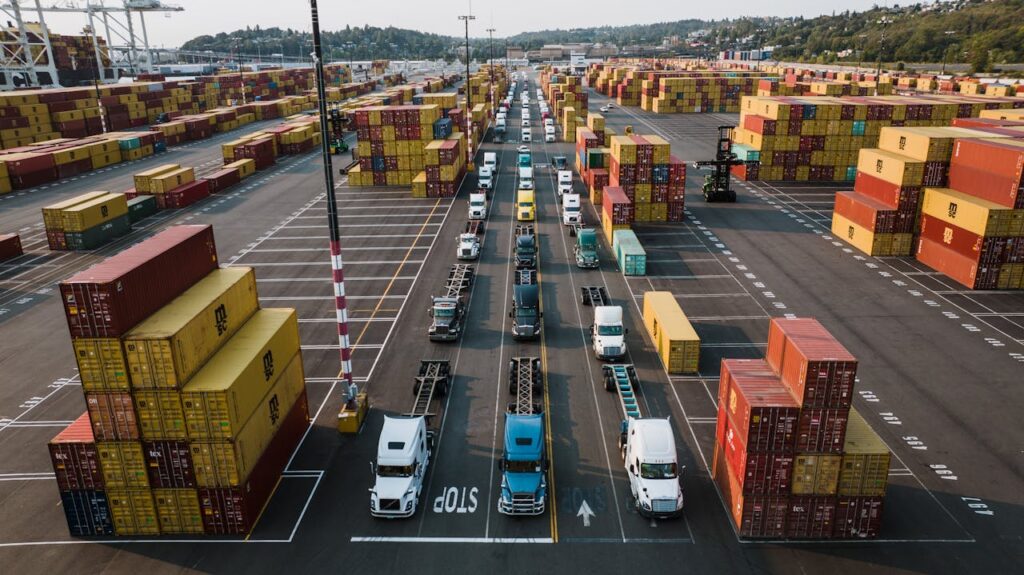
Trade industries like construction, manufacturing and transportation are essential, but can have a significant impact on the environment through emissions, resource consumption and waste generation. Lately, these industries have been going green. You hear about sustainable construction and green logistics. Do these initiatives truly reflect a real shift in mindset or are they just good PR?
What Industries Are Expected to Do
Carbon emissions from international trade industries are increasingly polluting the environment, accounting for around 20%-30% of global greenhouse gas emissions. Environmental compliance mandates companies to adhere to environmental directives and laws imposed by local, national and international government organizations.
These regulations help protect the environment, ensure worker and public safety, and promote responsible resource management. Failure to comply with these rules can result in substantial financial penalties.
Why Some Companies Do the Bare Minimum
Unfortunately, many companies cut corners on environmental compliance. Most reasons for this boil down to time and money.
Direct Cost Savings
Direct cost savings is the most common reason. Following environmental regulations is expensive. The cost of consultants, latest technologies, legal fees and permits can quickly add up. There’s also the cost of specialized services to properly handle and dispose of hazardous materials.
Increased Profits
Some companies cut corners to gain an unfair business advantage and earn more profits. The case of Hino Motors, Ltd. is a perfect example of this. For nearly a decade, Hino engineers deliberately manipulated emissions test data to produce positive, but inaccurate, results. By submitting false documentation, the company tricked the government and sold over 105,000 noncompliant engines nationwide.
Are There Companies That Actively Push for Sustainability?
Many organizations meet, and even exceed, the legal minimums of environmental compliance. Today’s consumers are more environmentally conscious. An authentic commitment to sustainability makes a brand stand out in a crowded market.
Many investors use Environmental, Social and Governance (ESG) criteria to evaluate companies. A solid sustainability record can attract more investment and increase shareholder value.
Holcim, a cement and concrete company, is an excellent example of an organization leading the sustainability movement. It has committed to achieving net-zero greenhouse gas emissions by 2050, demonstrating it is possible to be a market leader, while pursuing decarbonization.
Real-World Strategies of Environmental Compliance
Here are a few examples of what compliance looks like in practice.
In Construction — Secure Appropriate Permits
Companies must obtain specific permits before commencing construction. For instance, the Clean Water Act requires companies to acquire certification before a federal agency approves a license that could result in hazardous discharges into nearby rivers and lakes.
In Manufacturing — Control Pollutants
When designing industrial facilities, good pollution control must be a nonnegotiable part of the design. These facilities release pollutants from fuel combustion, power and heat generation. A solid pollution prevention plan can help reduce the amount of hazardous contaminants released into the environment.
In Transportation and Logistics — Meet Modern Emissions Standards
The 1970 Clean Air Act gave the Environmental Protection Agency (EPA) the power to regulate car pollution, leading to much cleaner air in cities. For instance, trucking companies must ensure their vehicles meet modern emissions standards to reduce air pollution. Mechanics’ shops must also follow rules for proper disposal of used oil and other toxic fluids.
Support Proper Environmental Compliance
The trade industry remains one of the largest contributors to global emissions. While advanced technologies play a critical role in reducing emissions, meaningful progress depends on companies’ ongoing efforts to follow government guidelines. Such actions are fundamental to achieving a sustainable and environmentally responsible future.


Post a comment