
Why the Norwegian Sea’s New Emission Control Area Matters for Ocean Health — and Which Engines Comply
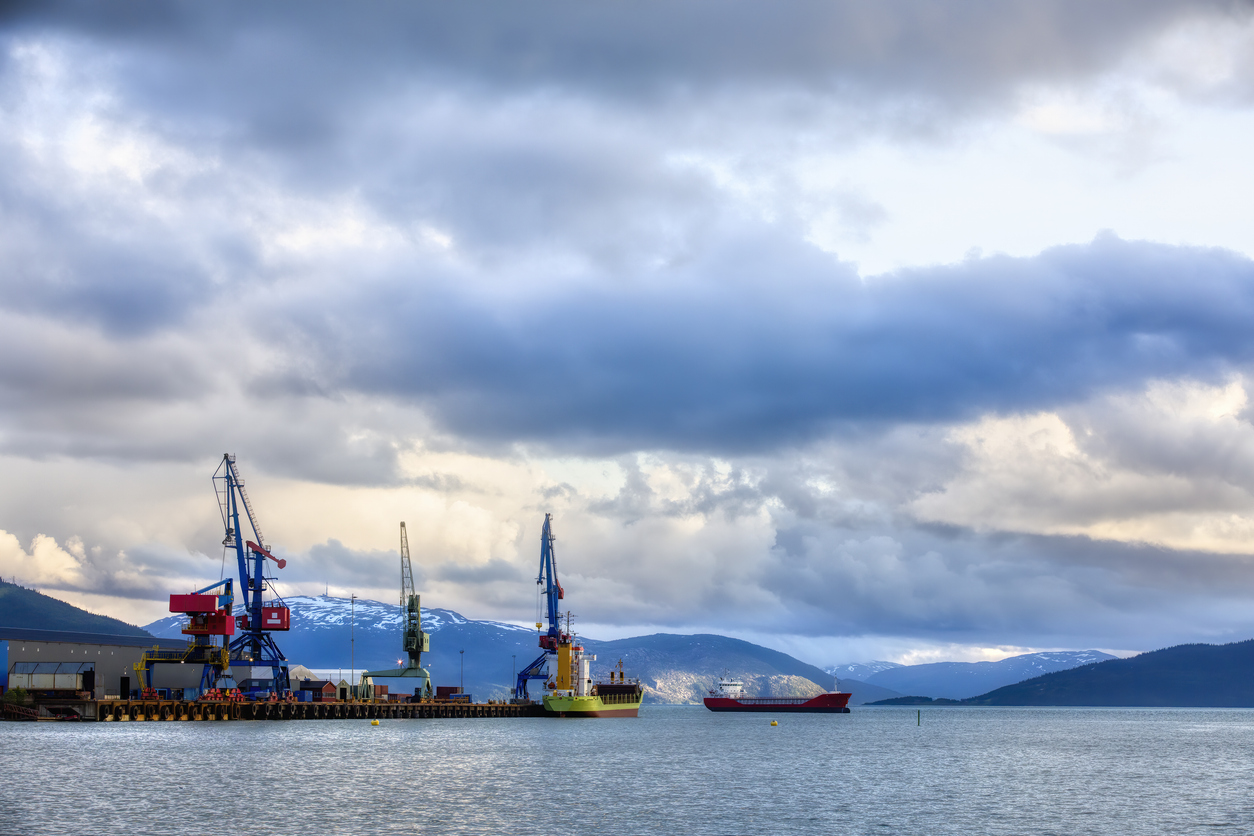
Many people are doing their part to lessen the burden on the planet. They are turning off unused lights, buying secondhand, biking to work and using reusable bags to help the environment. On a grander scale, a massive, landmark victory recently unfolded with the establishment of a new emission control area in the Norwegian Sea.
The Emission Control Area (ECA) showcases the possibility of global commitment to reduce ocean pollution. Think of it like a low-emission zone, where only clean cars are allowed to drive to reduce smog. This new International Maritime Organization (IMO) regulation reduces emissions from cargo ships at sea.
What Ship Emissions Do to the Ocean
The global shipping industry transports the majority of international trade, with most vessels using heavy fuel oil. This energy source releases multiple pollutants into the atmosphere with direct and harmful consequences. They can travel hundreds of miles and affect both terrestrial and marine habitats. As a result, the industry contributes to 4% of global carbon emissions, making it one of the major polluters on the planet today.
Here are the most well-known, negative impacts of the shipping industry:
1. Acid Rain
Nitrogen and sulfur oxides react with water and oxygen in the atmosphere. This results in the formation of nitric and sulfuric acids, which fall to Earth as acid rain. This phenomenon damages sensitive coastal areas, corrodes buildings, and changes the chemistry of freshwater sources and ocean waters.
2. Ocean Pollution
Nitrogen oxides falling into the ocean can fertilize algae, increasing the risk of harmful algal blooms. When these blooms die, they consume large amounts of oxygen. The reduced oxygen levels in the marine environment are known as dead zones, or hypoxia, and fish and other aquatic life cannot survive there. The delicate balance of marine life and its complex food web is disrupted, affecting every organism, from plankton to whales.
3. Human and Animal Health
The particulate matter, PM2.5, released by ship exhaust is extremely harmful to humans. It is linked to respiratory and cardiovascular disease, as well as premature death in seaside communities. Dolphins, whales and other marine mammals are also harmed, since they can inhale the polluted air.
Introducing the Norwegian Sea Emission Control Area
The IMO is the branch of the United Nations responsible for ensuring the global shipping industry’s safety, security and environmental performance. The MARPOL, or the International Convention for the Prevention of Pollution from Ships, is the primary convention for avoiding ocean pollution. Both operational and accidental pollution are examined.
Due to the factors threatening marine life, IMO regulations declared the Norwegian Sea a Nitrogen Oxide Emission Control Area. Ships need to meet the most stringent standards for airborne emissions in order to protect the surrounding ecosystems and populations. This new ECA is the result of implementing the MARPOL Convention’s international rules.
How Ships Will Comply
In order to reduce ocean pollution, ships built after March 1, 2026, must meet Tier III NOx ship emission standards to legally operate in the area. As such, engines need to produce even lower nitrogen oxide emissions than the previous Tier II standard.
There are multiple ways companies can ensure compliance. The first is through the use of advanced engines that meet the Tier III standard. One advanced engine is the Caterpillar Marine C7.1, which meets both EPA Tier 3 and IMO Tier II regulations. It features a modern common-rail fuel system designed to improve clean combustion and lower overall vessel emissions, making it an environmentally friendly choice for cargo ships. It also operates with a lower sound profile, making it more comfortable for the ship’s crew and lessening noise pollution for marine life.
The best solution for existing vessels is to retrofit advanced emission-control technologies. They allow ships to convert harmful nitrogen oxides in their exhaust into safe nitrogen and water. Another option is to use cleaner fuels, such as liquefied natural gas and methanol. These produce significantly lower nitrogen oxides and virtually no sulfur oxide emissions.
The Ripple Effect of Cleaner Shipping
The MARPOL Convention has already established multiple emission control areas, including the Baltic Sea, the North Sea and parts of the North American ECA. The addition of another ECA shows how environmental costs imposed by unregulated shipping are no longer tolerated. As areas become more rigorous, companies have to adapt and invest in green technology for cargo ship engines.
Many international and nongovernmental organizations are fighting to protect the environment in other areas. Groups advocate for clean air, to lessen the threat of plastic pollution, maintain biodiversity of ecosystems, prevent deforestation and raise awareness for other environmental issues.
Aside from changes in the macro scale, civilians are becoming more conscientious about the part they play in the industry. For example, many construction management companies are opting to procure from, and partner with, local suppliers to lower overall costs and emissions when shipping items from overseas. Individuals are choosing to buy thrifted clothes to lower the extraction, manufacturing and transport emissions of the apparel industry.
Businesses and individuals are also opting for slower shipments. This is because these vessels consume less fuel and produce fewer emissions at slower speeds. Maritime certifications identify companies practicing green initiatives and adhering to environmental protection standards.
Charting a Course for a Healthier Planet
Establishing the Norwegian Sea as an emission control area is a significant and tangible victory for everyone. It enforces rules to help conserve the ocean by encouraging vessels to adopt cleaner and more sustainable engines. After all, the shipping industry produces harmful nitrogen and sulfur oxides, which cause acid rain and marine dead zones. They also negatively affect human and animal health.
Companies have a variety of solutions to choose from, such as opting for engines able to meet international standards, adding the latest emission control systems to ships’ exhausts and using cleaner fuel. Powerful engines on the market today can drastically reduce emissions and waste. All these efforts add up, resulting in a shipping industry with a lower environmental toll. This IMO regulation is proof of how coordinated international efforts by several nations can significantly address the planet’s most significant environmental concerns.


Post a comment