
Water-Only Solutions: The Rise of Chemical-Free Cleaning Methods
You might be surprised at how much everyday cleaning depends on chemicals. Factories, hospitals and food industries have long relied on cleaning agents as the default solution for removing dirt and grease. A growing shift is underway as there is increasing interest in water-based and chemical-free cleaning methods that aim to reduce environmental impact.
Why Industries Are Turning To Water-Only Cleaning
Traditional cleaning products are effective sanitation solutions. However, many cleaning chemicals, such as surfactants, phosphates and solvents, can be harmful when they enter waterways. They may disrupt ecosystems and affect wildlife across a range of habitats. Improper use of cleaning products can also cause skin irritation, breathing difficulties and possible chronic health effects over time.
Due to health and environmental concerns, water-only approaches are emerging as a practical solution. Using pressure, heat or ultrasonic technology, these methods can reduce reliance on harsh chemicals, while maintaining effective cleaning standards. Key benefits of chemical-free cleaning methods include:
- Reducing environmental impact: Reduces chemical discharge into water systems, which helps protect aquatic life and preserve natural ecosystems
- Enhancing workplace safety: Minimizes workers’ exposure to corrosive and toxic cleaning substances
- Improving regulatory compliance: Easier alignment with wastewater and environmental regulations across industries
- Lowering long-term operational costs: Reduced spending on chemical supplies, storage, transport and hazardous waste disposal
Hydro Jetting — High-Pressure Water Cleaning for Tough Blockages
Hydro jetting or jet cleaning uses highly pressurized water to clean pipes, drains and industrial systems. Instead of chemical drain cleaners, it uses controlled water pressure to dislodge buildup and blockages.
The food and beverage industry often uses professional jet cleaning to remove persistent grease buildup in commercial kitchens and drainage systems. Hydro jetting is an effective alternative to chemical drain cleaners, clearing blockages and restoring flow using only water. This method also helps maintain hygiene standards without chemical residues entering food preparation environments.
Steam Cleaning — Heat-Powered Sanitization Without Chemicals
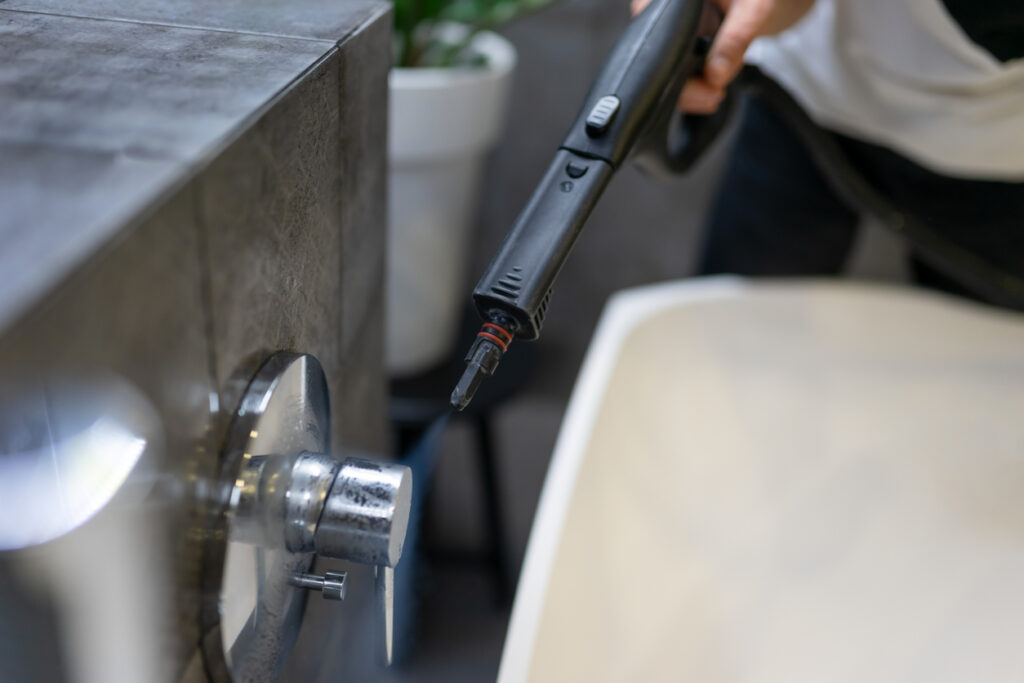
Steam cleaning uses high-temperature vapor to sanitize surfaces, break down grime and grease, and eliminate microbial contamination. The high heat loosens debris, while disinfecting surfaces without chemical agents. Depending on its application, steam sterilization uses 250°F or 270°F continuously for a specific duration to effectively eliminate microorganisms.
Steam cleaning is particularly useful in settings requiring deep cleaning without leaving residues. In the hospitality sector, hotels use steam cleaning to treat mattresses and upholstery. It eliminates bed bugs and mold, while avoiding chemical disinfectants that linger in fabrics or affect indoor air quality.
Deionized Water Cleaning — Purified Water for Precision Cleaning
Advances in water purification technology have made deionized (DI) water cleaning a practical alternative for high-precision cleaning. This method uses advanced ion-exchange technology to remove minerals and impurities from tap water, producing highly purified deionized water. Removing dissolved minerals allows purified water to attract and lift microscopic particles from surfaces, without the need for chemical detergents.
DI water cleaning is especially useful in industries where cleanliness and precision are important. In electronics manufacturing, the cleaning process involves using DI water to clean sensitive components and circuit boards. Using DI water reduces the risk of streaking, mineral deposits or chemical contamination that can occur with conventional cleaning products. Its residue-free nature also makes it ideal for cleaning high-rise window and solar panels, ensuring a clear surface.
Water-Only Cleaning at Home — Easy Water-Based Alternatives for Daily Cleaning
Water-only cleaning is not exclusive to large or commercial industries. You can also apply chemical-free cleaning principles at home to create a safer living environment. While it may not replace all household cleaning products, it can reduce everyday exposure to harsh and toxic substances. Here are some simple ways to adopt a water-first cleaning routine at home:
- Hot water: Use warm or hot water and a good-quality cloth to wipe down kitchen counters, tables and appliances.
- Steam: Carefully use steam from boiling water or a steam cleaner to loosen grime or stubborn residues from tiles or stovetops.
- Distilled water: Use distilled water for cleaning windows and mirrors instead of commercial glass cleaners. As distilled water doesn’t contain minerals, it won’t leave spots and streaks.
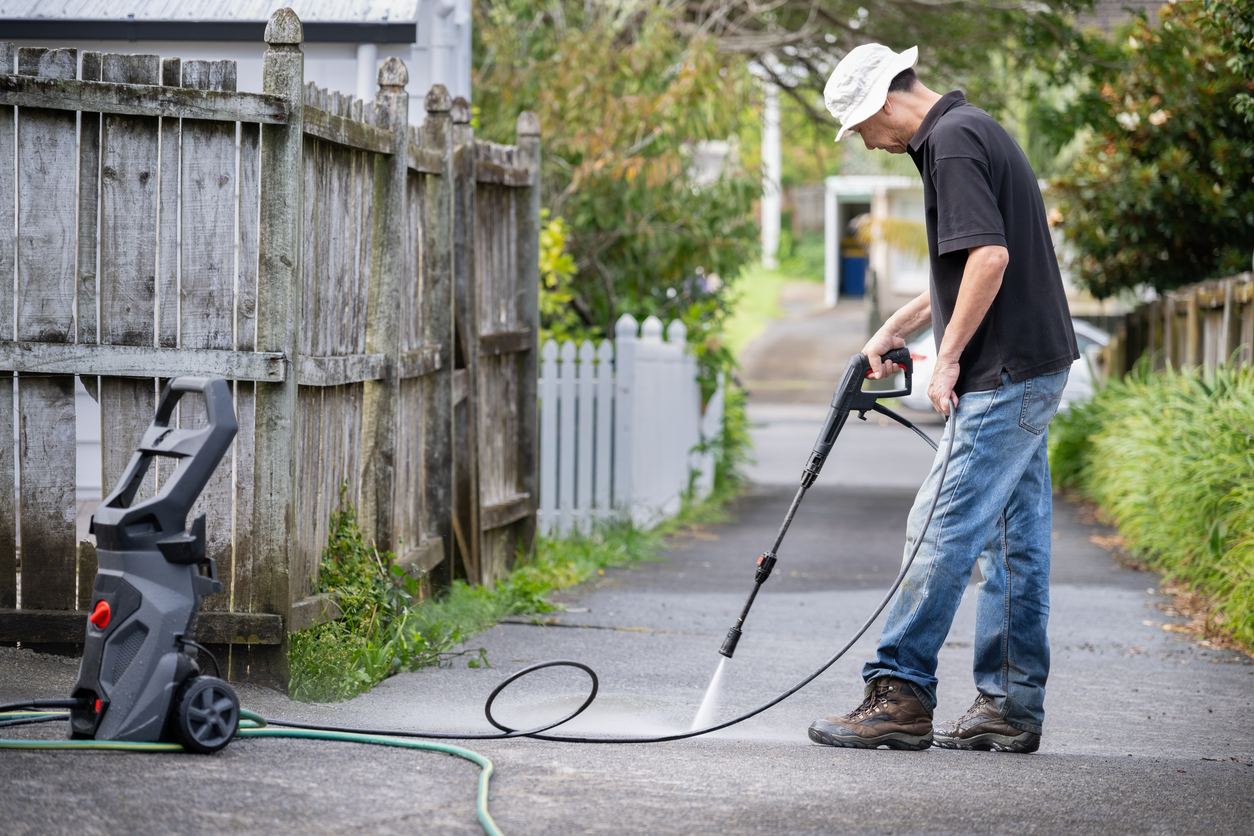
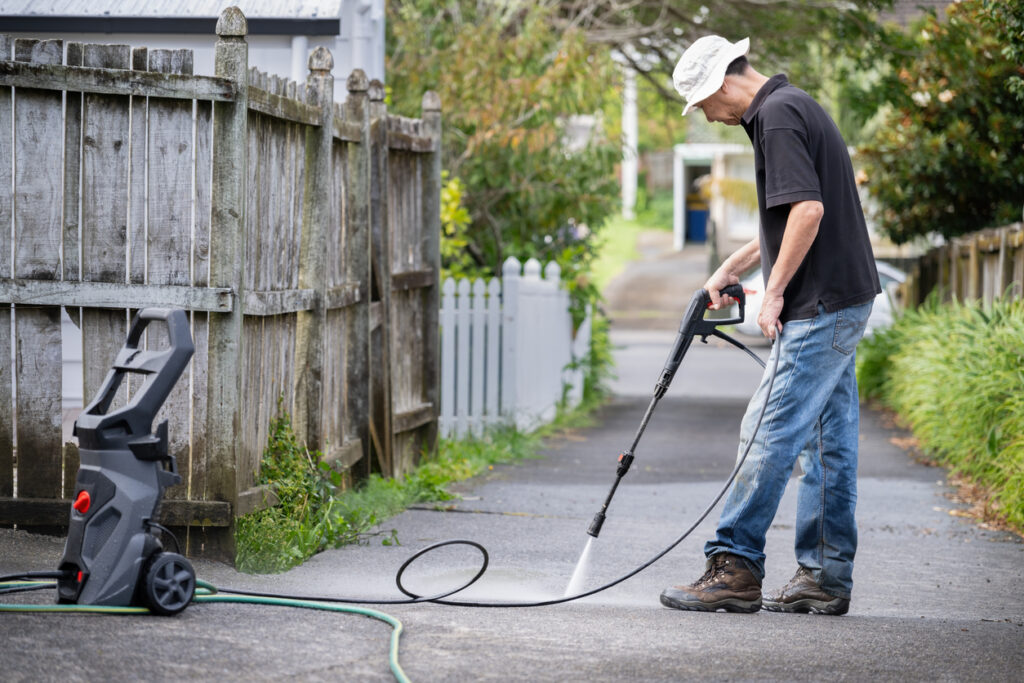
- Pressure washers: Try high-pressure water tools outdoors to clean patios and driveways without detergents.
- DIY water-based solutions: Mix water with ingredients like vinegar, lemon, baking soda or Castile soap for everyday cleaning tasks. Use these DIY cleaning solutions to wipe surfaces, remove stains, tackle light grime and grease, or freshen up a room.
Smarter, Safer Cleaning for the Future
As technology continues to improve, water-based cleaning systems are becoming more efficient and adaptable. While chemicals still have a place, more industries and households will turn to chemical-free cleaning as a safer, long-term solution. It is a good practice to ensure cleaner environments without compromising hygiene and efficiency.


Post a comment