

4 Hosting Hacks for More Eco-Friendly Kids’ Birthday Parties
Planning a children’s birthday party often means balancing fun, convenience and a growing pile of waste. Between disposable decorations, leftover food and plastic-filled party favors, celebrations can quickly become less eco-friendly than you intended. The good news is that creating a memorable kids’ birthday party does not mean sacrificing your sustainability goals.
With a few thoughtful swaps, you can host a celebration that is kinder to the planet, while still being exciting for kids and stress-free for you.
1. Turn the Party Into a Fun Sustainability Lesson
Birthday parties can be a simple way to introduce children to more environmentally conscious habits without making the celebration feel like a lesson. Since children make up 30% of the world’s population, everyday experiences can play an important role in shaping how future generations think about sustainability.
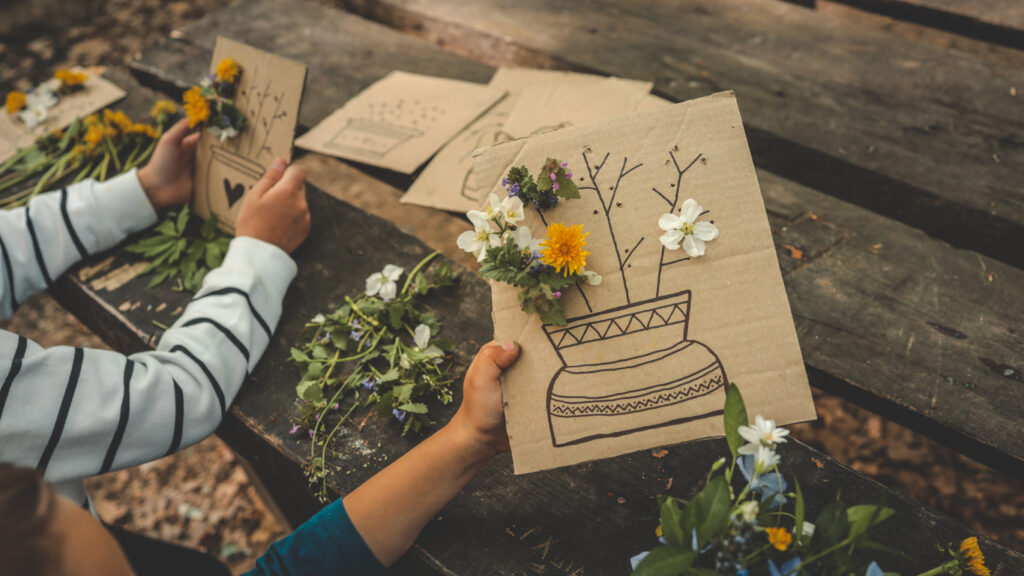
Try building small eco-friendly activities into the party itself. You could create a nature scavenger hunt, decorate reusable tote bags or set up a recycled craft station where kids can turn everyday materials into something creative. The craft itself can double as a take-home party favor. This replaces goodie bags typically filled with plastic — a material that should be avoided wherever possible — with a memorable creation.
Even simple choices, like using reusable plates and cups or setting up clearly labeled recycling bins, can encourage children to think differently about waste in a natural way. The goal is not to make the party feel overly educational, but to show that sustainable choices can still be fun, colorful and exciting.
These small moments can help children see eco-friendly habits as part of everyday life, rather than something separate from celebrations or special occasions.

2. Plan Food Carefully to Cut Down on Waste
Food waste is one of the biggest hidden environmental impacts of birthday parties. It is easy to overestimate how much children will actually eat, especially when there are multiple snacks, desserts and drinks available.
Over one-third of food in the United States goes uneaten, making portion planning an important part of hosting more sustainably. Keeping the menu simple and serving smaller portions first can help reduce waste while still ensuring guests have plenty to enjoy.
Another helpful strategy is to refill trays as needed rather than placing all the food out at once. This helps maintain freshness and lowers the chance of leftovers being thrown away after sitting out too long.
You can also choose foods that are easy to safely store after the party ends. Fruit platters, wraps, pasta salads and baked goods can often be refrigerated and reused for lunches or dinners later in the week. Reusable cooling and storage solutions can help keep food fresh while reducing unnecessary disposable materials.
For drinks, skip individually packaged juice boxes and use large drink dispensers with reusable cups instead. It creates less trash and can be more cost-effective for larger groups.
3. Encourage Unstructured Play Instead of Disposable Entertainment
Children do not always need elaborate entertainment to have fun. In many cases, simple activities that allow kids to explore and create their own games can be even more engaging.
Unstructured play encourages creativity, problem-solving and social interaction because children naturally experiment and use their imagination when given the freedom to play independently.
Instead of renting large inflatable attractions or buying single-use activity kits, create simple stations that encourage open-ended fun. Backyard scavenger hunts, dress-up corners or nature-themed games can keep children entertained for hours without generating excess waste.
Outdoor celebrations are especially helpful because parks, gardens and backyards often provide built-in entertainment while helping children spend more time connected to nature.
Simpler entertainment can also create a calmer environment for younger children while encouraging more interaction among guests, rather than focusing attention on expensive activities or gadgets.
4. Think Beyond the Party With Smarter Transportation Choices
Transportation is not always the first thing parents think about when planning a birthday party, but it can play a role in the event’s environmental impact.
If possible, choose a location close to most guests or host the party at a nearby park that families can walk or bike to. Encouraging carpooling between parents can also reduce the number of vehicles traveling to the event.
Just choosing public transportation over driving can reduce a person’s carbon footprint by up to two tons of carbon dioxide emissions each year. While one party may seem small, encouraging public or shared transportation habits can still help families make more sustainable choices over time.
Adding a short note to invitations with instructions and routes for walking, biking or taking public transportation can be a simple way to support those efforts without adding extra work for guests.
Celebrate With Less Waste and More Meaning
An eco-friendly birthday party does not have to feel restrictive or less exciting. In many cases, simpler celebrations create more meaningful experiences for both children and parents. By focusing on reusable materials, reducing food waste, encouraging imaginative play and making thoughtful transportation choices, you can host a party that supports both your child’s happiness and your environmental values.
Small changes may not seem dramatic on their own, but they can help children learn that celebrations can still be joyful without creating unnecessary waste.


Post a comment