
Reducing Solar Installation Waste: How Proper Planning and Execution Lower Environmental Impact
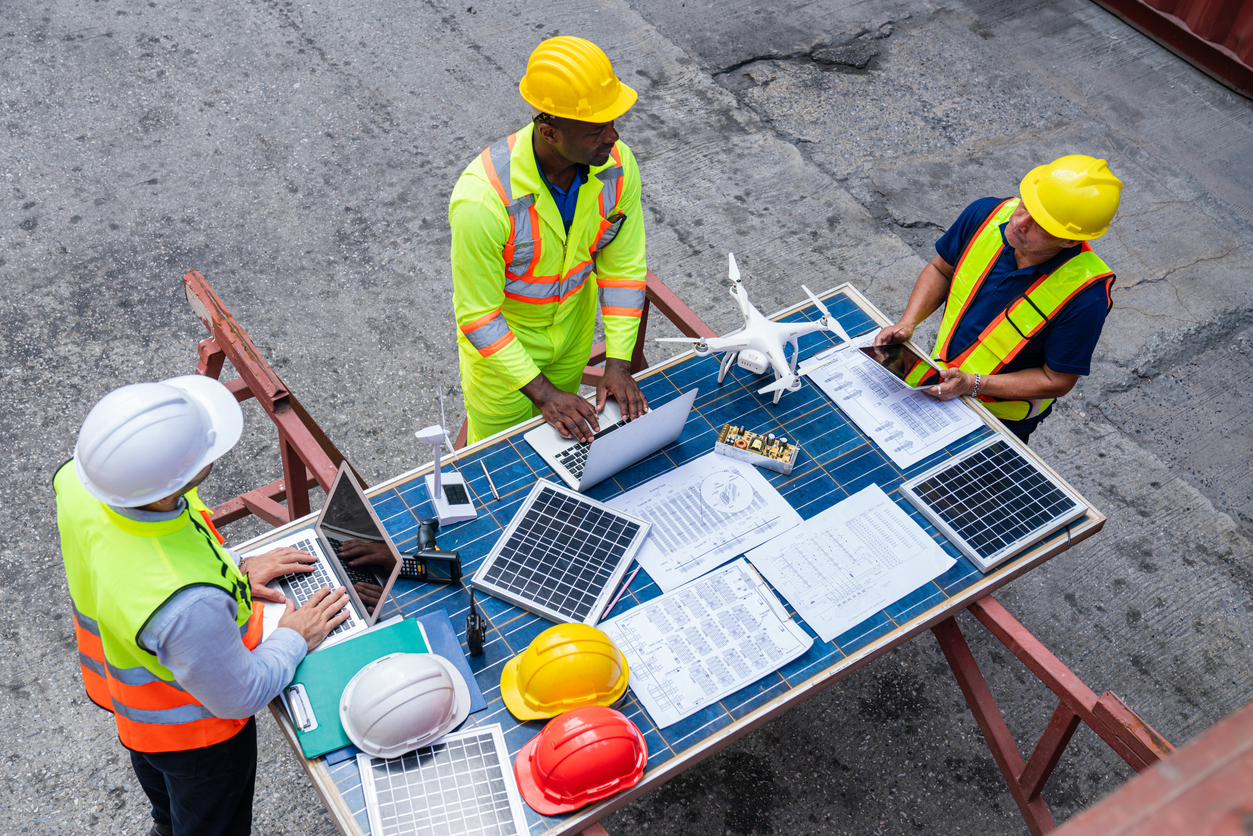
Solar energy is a crucial component of sustainable efforts because it provides an eco-friendly alternative to nonrenewable energy sources that harm the planet. However, the solar panel installation process generates significant unnecessary waste. Fortunately, it is entirely possible to reduce the environmental impact of solar installation waste by properly planning and executing the project.
Sources of Solar Installation Waste
There are several sources of waste from solar installations of which you should be aware. One notable one is the solar panels themselves. While solar panels generate clean electricity, their materials contain harmful chemicals like arsenic that can leak into the surrounding environment. These pollutants can harm the ecosystem and potentially your own drinking water. Some solar panel materials are more sustainable than others.
The packaging process for the solar panel installation components is another source of waste. When transporting the equipment to a solar farm, workers tend to use plastic, cardboard and foam to protect panels and racking from the rough journey. While you should protect the equipment, workers may accidentally leave packaging behind.
The construction process also produces significant waste. Workers install the racking into the ground by digging up the soil and disturbing wildlife. The wires connecting the panels also disrupt the ground and potentially rid insects and other organisms of their homes. When you attach solar panels to a roof, the process generates waste, especially if workers leave behind trash or dispose of it improperly rather than recycling it.
One final cause of waste is when construction workers order excessive materials. If the construction plan is unclear, workers may order more materials than necessary. While this protects them from having to order new parts, the excess equipment may end up being thrown away thus polluting the earth.
How to Properly Plan a Solar Installation Project
Before the installation process, you should properly plan a solar installation project to minimize waste. The following are some helpful steps to take.
Design the Optimal Construction Site
Workers must make the proper measurements by visiting the site and determining the exact amount of materials they will need to complete the project. Ensure each component has a clear purpose and fits into the overall design. Avoiding over-ordering is essential to reducing waste. If you are planning for racking or other items that go into the ground, the design should integrate with the existing land to avoid excessive soil disturbance.
Select Recyclable Materials When Possible
The selection of materials for the solar installation project is also essential. You should choose providers that take the used items back and recycle them. Try to limit the packaging for the equipment transport as much as possible. When selecting packaging materials, purchase only those that are easily recyclable or biodegradable to reduce excessive waste.
Create a Robust Waste Management Plan
Careful planning is crucial when limiting solar installation waste. You must create a management plan designed to address each potential source of waste, along with a detailed procedure for collecting, recycling and disposing of any materials. Creating a plan before the actual project ensures the least waste upon completion.
How to Minimize Waste During the Actual Installation
Once you have a secure plan in place, it is time to begin the actual installation project. When practicing waste management during the process, you should set up areas for material cutting and waste sorting. Ensure these areas are as far away from local wildlife and valuable soil as possible to prevent contamination.
You should use vehicles with lower tire pressure to avoid unnecessary soil disturbances as this could harm wildlife. Excessive indents or holes in the soil can prevent crops from growing, damaging the homeowner’s land and the insects and other animals living in the soil.
Another essential step is to train the installers. When construction workers receive proper training to handle solar installation projects, they make fewer errors. Mistakes can cause unnecessary material waste that stalls the project and creates more excess material at the end. While you minimize excess materials and recycle, it is better to prevent waste in the first place.
The Importance of Future Planning for Solar Projects
Future planning for solar installation projects is an essential part of the process. Once the installation is complete, solar panels have around a 25-30 year lifespan before they break down and require replacement. To plan for this eventuality, you should choose panels that are recyclable and set up a plan to recycle them after use.
The industry for solar panel recycling is growing as the need increases, so it should be relatively easy to find a facility. When you choose panels, you can find manufacturers who promise to take back the solar panel materials after use and properly recycle them. Whichever route you choose, future planning is key to limiting waste after installation and use.
Proper Planning Prevents Pollution
Solar installation waste is a fixable issue requiring a good plan and proper execution. You should consider the entire lifespan of the materials when designing the installation method and when choosing materials. Homeowners and installers should adopt these practices to minimize solar installation waste during their projects.


Post a comment