
Balancing Biodiversity: Creating A Thriving Urban Garden That Minimizes The Mosquito Population
There isn’t anything quite like cultivating a garden oasis. However, if you aren’t careful, your thriving outdoor space could become a haven for unwelcome mosquitoes. These pests are more than an itchy nuisance — they are known vectors for serious diseases that may turn your sanctuary into a source of concern.
Fortunately, you don’t have to choose between lush greenery and a comfortable yard. By embracing biodiversity and making wise planting decisions, you can naturally manage mosquito populations and enjoy your garden.
Understanding the Urban Mosquito Problem
Even a well-tended green space could easily entice mosquitoes, as these insects only need standing water and shady shelter for their larvae to survive. Experts predict climate change will worsen mosquito prevalence, with summer populations increasing by 16% to 19% under moderate emission scenarios.
Moisture poses the most significant hurdle. According to one study, 42.1% of people reported more mosquito breeding sites over the course of one year, and 69.4% said peak mosquito activity occurred during the rainy season. Likewise, standing water and construction were significant determinants of high mosquito density.
While water collects in clogged gutters, bird baths, children’s toys and potted plant saucers, everyday items like garbage, trash and plastic containers create the most conducive breeding grounds. Overgrown landscaping, with limited plant diversity, compounds the issue by creating a humid refuge. Compared to higher-income areas, research shows a correlation between lower-income neighborhoods and a 63% higher mosquito density and vector-borne illness rates.
Fighting Pests With a Flourishing Ecosystem
Battling mosquitoes is a tiresome effort. Instead, you can cultivate an urban garden that safeguards itself. The most effective, long-term solution is to boost biodiversity through a diverse array of plants, insects and animal life. Rather than deliver a home to pests, you can provide food and shelter for their natural enemies.
Beneficial predators — also known as mosquito hunters — police your outdoor space for you. For example, adult dragonflies consume over 100 mosquitoes daily, while a single microbat eats up to 3,000 in one night. Likewise, spiders eat up to 800 tons of mosquitoes and other bugs annually. These aren’t rare creatures — they’re typical backyard visitors that will stick around if you supply the right environment for them to flourish.
Filling your garden with various flowers, shrubs and trees forms a critical habitat intended to attract and sustain these allies, generating a natural pest management system for the long term. Adding a solar-powered fountain or water wiggler can provide the kind of water movement birds and dragonflies favor, while flat rocks are a simple feature for them to land and sun themselves.
Removing Water As a First Line of Defense
Seeing that stagnant water is the primary cause for rising urban mosquito populations, removing the source is your first step to mitigating the problem. Doing so will stop mosquitoes at the very beginning of their life cycle, especially since they require wetness to lay and hatch eggs in your yard.
It doesn’t take much either — female mosquitoes can lay eggs in an area as small as a tree branch junction, as long as droplets accumulate. Keeping potted plant saucers, gutters, unused buckets, wheelbarrows and other containers dry should become part of your outdoor maintenance ritual. Likewise, you should refresh the bird bath water every couple of days.
Be sure to address stagnant water after it rains, too, as these conditions create puddles capable of support breeding. Scientists have found heavy precipitation increases mosquito larvae and dengue cases by over 60%, making it critical to manage where rainwater collects. It is even more important because of the diseases mosquitoes carry, including malaria, dengue fever, Zika virus and West Nile virus.
Choosing Plants That Naturally Repel Mosquitoes
Many gardeners are inclined to manage mosquitoes with insecticides, but repellent products can cause more harm than good. Studies suggest there are 385 million cases of accidental pesticide poisoning globally each year. An additional 11,000 deaths are attributed to exposure.
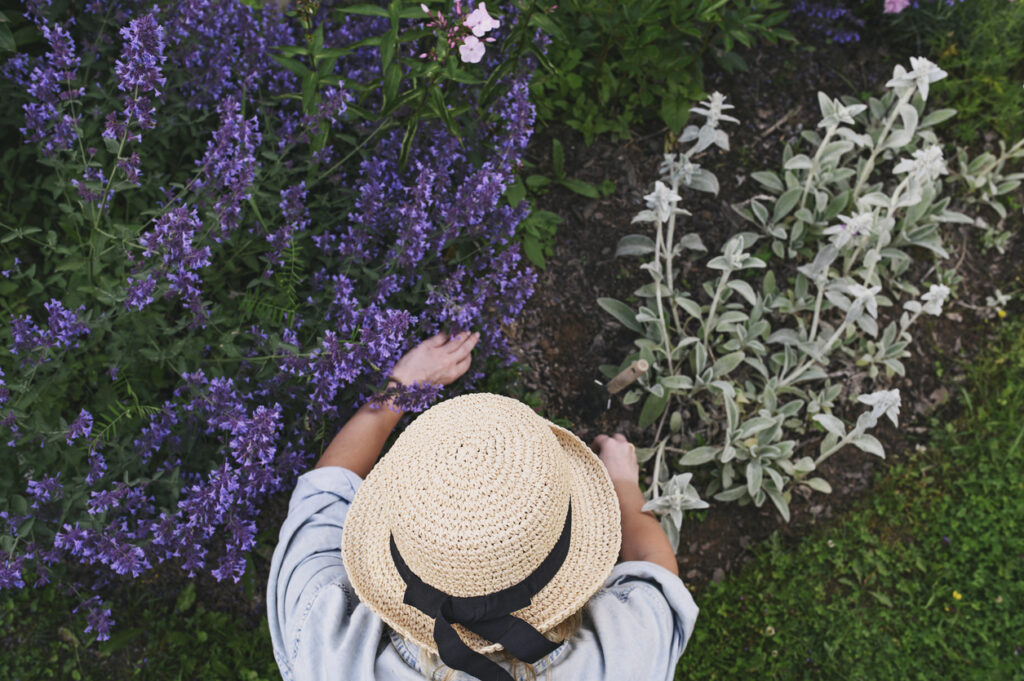
Incorporating plants with natural defenses into your urban garden is a much better approach to creating a safer garden environment. For example, lavender, catnip, basil, marigold and lemon thyme emit potent fragrances that keep mosquitoes and other pests far away. Planting them near doorways, patios and pathways will offer the greatest protection for yourself and others.
In addition to repelling pesky insects, these plants deliver aesthetic benefits to your urban green space. Marigolds come in bold orange, yellow and red blooms, adding a splash of cheery color to your beds and containers. Lavender can also infuse your urban garden with stunning purple, while lemongrass offers a grassy, ornamental appearance for visual interest.
Your Blueprint for a Buzz-Free Oasis
Your garden is more than a collection of plants — it’s a biodiverse ecosystem you can guide. Mosquitoes won’t take over your yard if you’re proactive in reclaiming your space. With careful planning and attention to detail, you can foster an outdoor retreat as beautiful as it is comfortable and safe.


Post a comment