
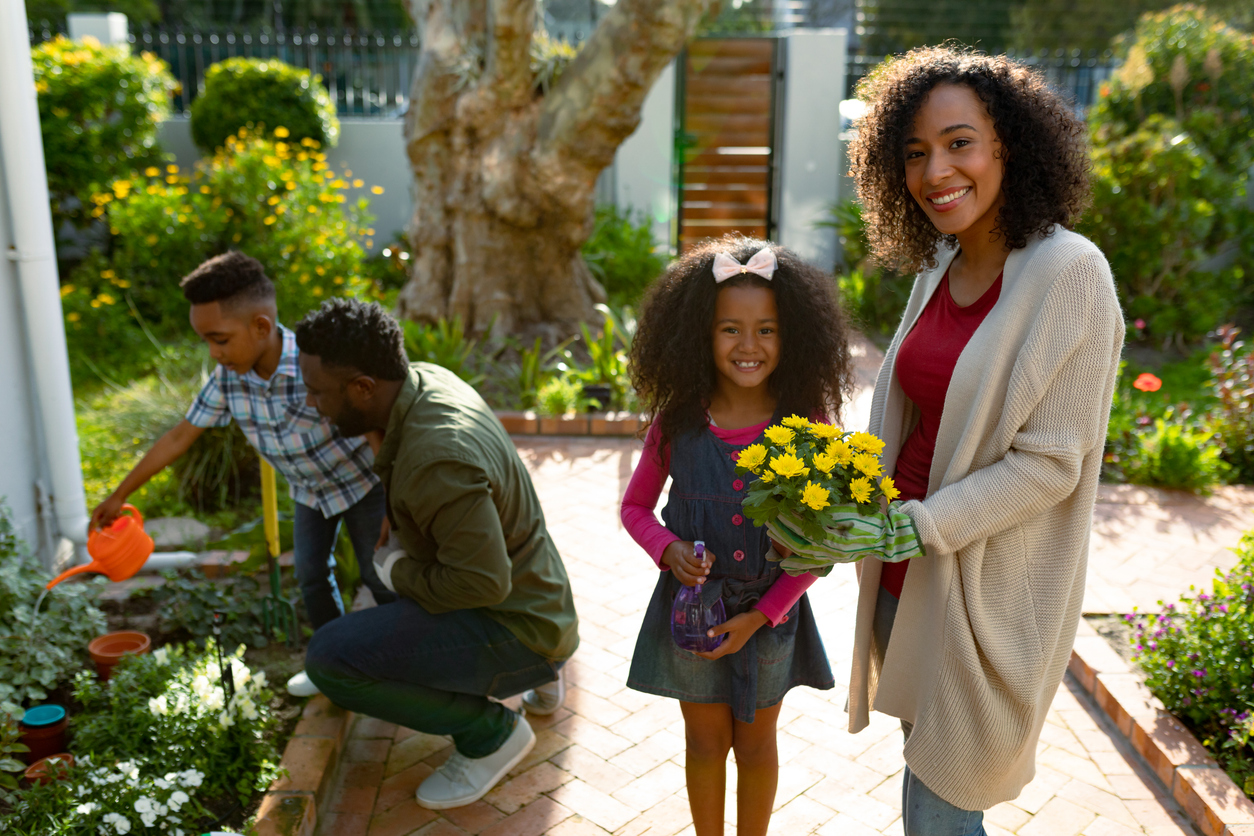
National Native Plant Month: Creating Non-Toxic Outdoor Spaces From Deck to Garden
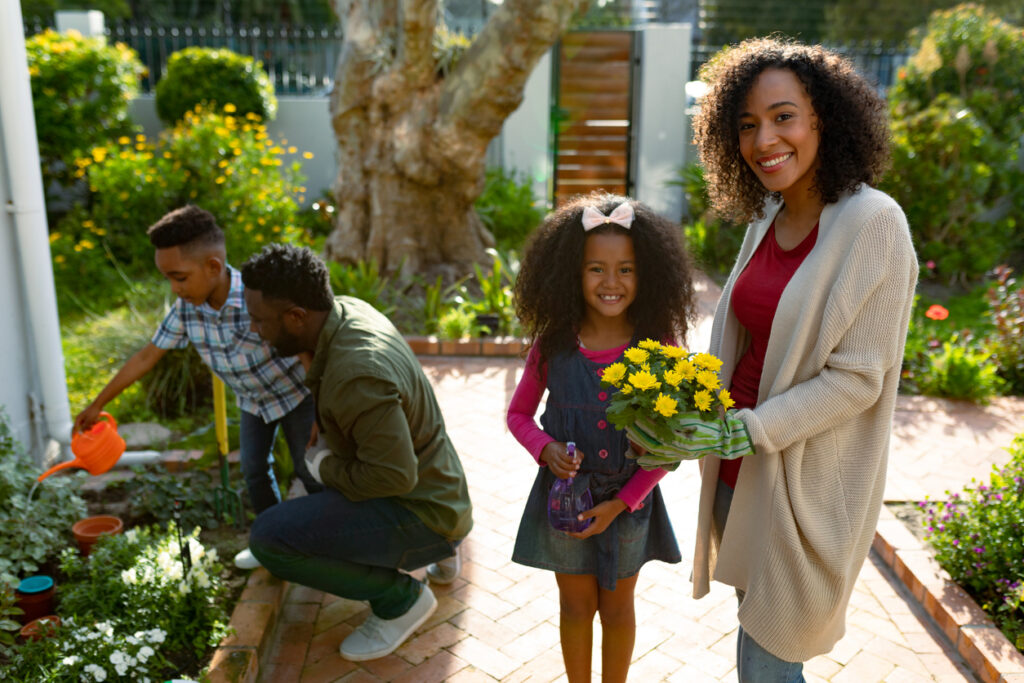
The arrival of spring signals renewal, not only for indoor spring cleaning but also for outdoor work. This April, celebrate National Native Plant Month by reimagining your outdoor spaces with native plant garden design. Instead of chemically-treated and high-maintenance lawns, choose landscaping with native plants offering plenty of personal and ecological benefits.
Discover how to create a non-toxic sanctuary for your home’s patios, backyard and decks.
Why A Native Plant Garden Is the Cornerstone of a Healthy Yard
You might be spending more than $400 just on watering your plants and grass. By choosing native plants for your garden, you create a sustainable and self-sufficient environment. After all, these plants have adapted to the region’s specific ecosystem for thousands of years, whether it’s the local climate, soil conditions or the average rainfall. They won’t need artificial support and extensive watering compared to non-native species.
Native plant landscaping also provides food and habitat for local insects, birds and butterflies. These plants are the foundation of the local community’s food pyramid. Moreover, these native plants don’t need a large amount of pesticides, if any at all. Local ladybugs and lacewings act as natural predators to common garden pests.
Designing Your Non-Toxic Haven, One Step at a Time
Transforming your outdoor space requires carefully choosing native plants for the garden and making intentional changes.
1. Planning Your Native Plant Garden Design
Landscaping with native plants requires observation. Understand the specific environmental conditions of the outdoor space. Take note of the areas receiving full sun, shady areas, moist areas and dry spots. Soil condition is important for plants to thrive. These factors indicate where to plant certain species. The right plant at the right place is the secret to a low-maintenance garden.
To maximize native plant landscaping, create outdoor zones for specific activities, such as dining or relaxation. Consider incorporating carpets, planters and screens to divide the space. This helps you place each plant where it fits best. Start small with the changes. Begin with a dedicated garden bed or a few native plants in containers. Use vertical planters and hanging baskets to beautify the area without taking up precious square footage.
Additionally, make sure to incorporate a variety of species, including perennials, shrubs and small trees that bloom in spring, provide color in summer, offer rich textures in fall and structure in winter. Look for species that thrive in your local area and climate so you can focus on the beauty they add without too much effort to support their growth.
2. Extending a Healthy Environment to Your Deck and Patio
To create a seamless native plant garden design, view the deck and patio as part of your outdoor space. The materials used here matter greatly in creating a sense of sanctuary. Choose non-toxic materials, such as recycled plastics, wood fiber and rot-resistant woods, such as cedar and redwood. Stains and sealers should have low levels of volatile organic compounds to improve indoor air quality.
Paying close attention to detail for this project really makes an impact in creating a space for wellness. In fact, spending 120 minutes a week in nature improves health and well-being. Having a lush, green balcony or patio invites you to spend more time outside and in nature, improving your mood and quality of life. With a pleasant outdoor environment, you don’t have to walk or drive to parks or hiking trails in order to be in nature.
3. Creating a Self-Sustaining System
A native plant garden design works as a system. Mulching helps provide much-needed support to this system. A layer of mulch helps retain moisture, preventing weeds and regulating soil temperature. It also helps reduce plants’ water needs. Drip irrigation or soaker hoses deliver water directly to the roots, preventing evaporation and lowering water costs.
You can also start composting kitchen scraps, such as vegetable and fruit trimmings, which can provide nutrient-rich soil for your garden while reducing waste that ends up in landfills. These materials create nutrient-rich soil, acting as cost-free fertilizer. Even a simple birdbath can attract more birds and insects to your garden, helping it grow further. All in all, adopting these strategies ensures native plants for gardens thrive.
How a Native Plant Garden Nurtures Your Health
There are plenty of health benefits to landscaping with native plants. It eliminates the need for synthetic pesticides and herbicides, which can be especially harmful to children and pets. They can play safely in outdoor areas without risking potential health issues.
A garden can create a restorative space in your home. Simply being in nature, even if it’s just hearing the birds chirp outside or observing a cardinal sway in the grass, can improve your well-being.
You can also grow kitchen ingredients in your own garden, which can save you money and reduce your carbon footprint. Plus, there is nothing quite like eating food you grew yourself.
Another benefit is how low-maintenance a native plant garden can be. You can spend less time mowing, fertilizing and watering to produce a picture-perfect lawn and garden. You can instead conserve your precious energy for things needing the most care, whether it’s your family, career or hobbies. If you like gardening, you can spend more time sculpting shrubs and planting new species. Fewer resources, such as money or energy, are wasted because non-native plants die under unsuitable conditions.
Lastly, you can spend more time simply relaxing and appreciating nature from the comfort and beauty of your outdoor space.
Cultivate Your Well-Being, One Native Plant Garden at a Time
Native plant landscaping is an empowering activity. It offers numerous benefits, from personal health and ecological sustainability to home beautification. Additionally, using native plants requires less upkeep and water usage, while creating a more balanced ecosystem. You don’t have to rehaul your entire garden. Instead, start with one planter. If you have a manicured lawn, you can introduce wildflowers or native shrubs. One small step during National Native Plant Month can create momentum and deepen your appreciation for native plants for gardens.

Post a comment