
How Upgrading to a Variable-Speed Pool Pump Can Cut Energy Costs by 90% — and Why Financing Makes It Affordable
A pool pump probably isn’t the first place you look when trying to lower household energy use. However, if your pool still runs on an older single-speed system, it may quietly consume more electricity than you realize.
Upgrading to a variable-speed pool pump can significantly cut energy use by adjusting the output as needed throughout the day rather than just running at full power 24/7. While the initial investment can be daunting, flexible financing options can make the upgrade easier to manage, so you start saving sooner.
Why Pool Pumps Gobble More Energy Than Expected
Homeowners often focus on heating costs, chemicals or water maintenance. However, circulation and filtration equipment run daily and may cost more than a few sachets of chlorine, salt or other stabilizers. A standard single-speed pump typically runs at full power for filtration, cleaning and water movement regardless of demand. That creates unnecessary energy use.
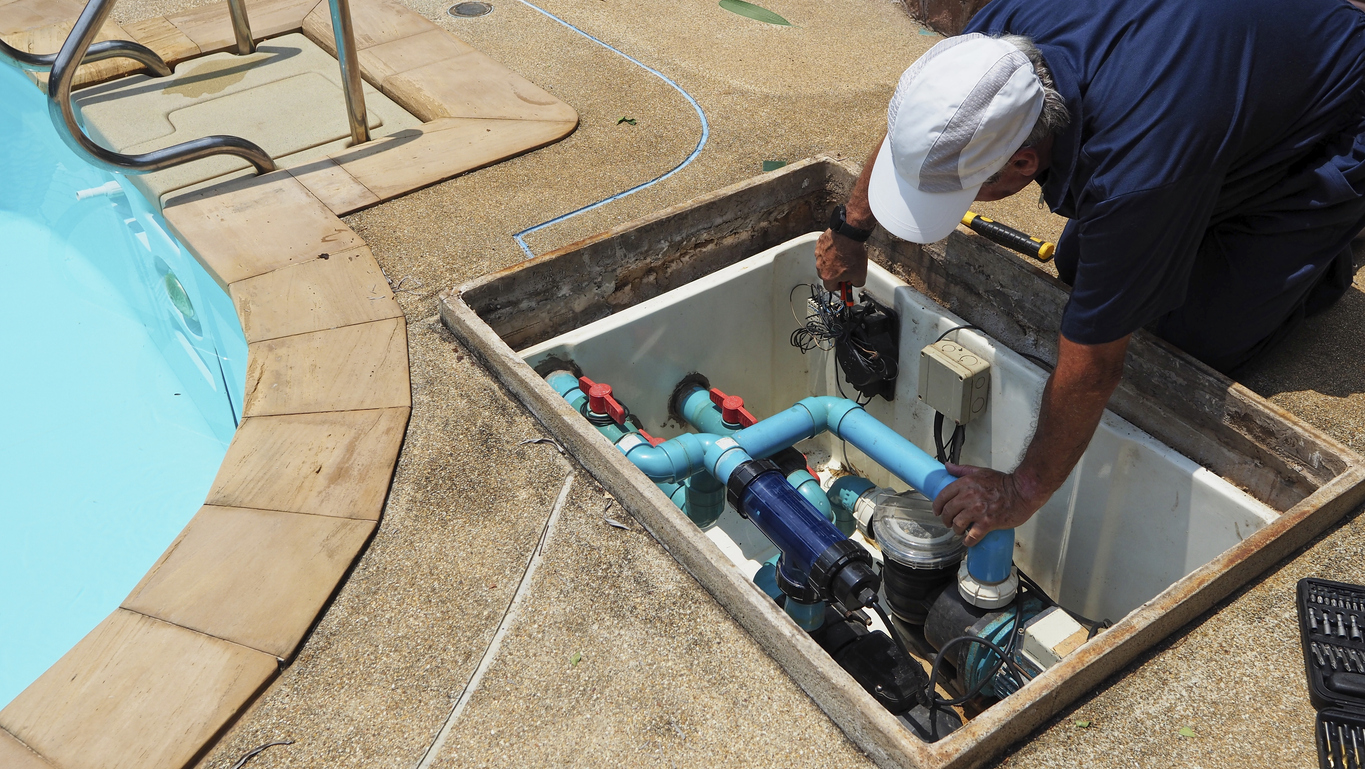
A variable-speed pool pump works differently. It uses a permanent-magnet motor to produce multiple operating rates throughout the day. Lower speeds need less electricity input, but can still maintain water quality.
Small speed adjustments can save a surprisingly large energy cost per month. If your pool only needs light circulation most of the time, running the pump slower often delivers the same results with far less electricity consumption.
If your pump currently runs eight to 10 hours daily at full speed, your setup may have more room for savings than you think. Studies on the use of variable-speed pumps at water distribution centers found variable-speed models last longer and consume up to 10% less energy over the same operating time as fixed-speed pumps.
How a Variable-Speed Pool Pump Can Reduce Energy Costs
The biggest selling point isn’t convenience — it’s efficiency. The smaller the system being circulated, such as a residential pool, the bigger the savings can be. According to industry and energy-efficiency research, variable-speed pumps can lower energy use by up to 60% compared to traditional single-speed systems due to their lower hydraulic resistance.
Motor physics accounts for the significant cost savings. When the pump speed drops, energy demand falls exponentially instead of proportionally. Cutting back on daily pump cycles or hours of operation also reduces overall power use without affecting water quality.
Instead of blasting water all the time, your system can:
- Run slower during filtration cycles.
- Increase speed only during cleaning.
- Optimize circulation throughout the day.
- Reduce unnecessary electrical demand.
For many homeowners, this results in meaningful annual savings, while improving overall pool performance. The financial impact becomes more noticeable in warmer regions where they operate year-round.
Ask your installer whether your current plumbing setup supports speed scheduling. Programming often unlocks more savings than the pump replacement alone, and these require a smaller investment.
When Long-Term Benefits Go Beyond Your Utility Bill
Energy savings demand attention, but they’re only part of the equation. Lower operating speeds also place less strain on equipment. Reduced pressure can help extend the life of filters, seals and plumbing components. This is significant, considering a new pool pump can cost $700 to $4,000, without factoring in excavation fees to change pipes if needed.
With a downscaled pump, you may also notice:
- Quieter operation during daily circulation.
- More consistent water quality.
- Fewer maintenance interruptions.
- Less frequent equipment replacement.
A quieter backyard may come as an unexpected bonus. Many homeowners describe the upgrade as something they notice every day. The system goes from louder or more complex to a quiet hum that disappears into the background.
What a Pool Pump Replacement Actually Costs
Pool upgrades can feel intimidating because most people think about the full number up front instead of the total ownership cost. Costs vary depending on the size, installation requirements, existing plumbing and regional labor pricing. However, adding a pool is still a significant return on investment for your property’s resale value, with up to 7% returns at sale.
What matters more than installation alone is comparing the up-front expense against ongoing operating costs. Lower monthly energy use can offset a portion of ownership over time.
This is where financing has become part of the conversation for many households. Before replacing equipment, calculate your average monthly electricity use for the last three summer bills. Having a baseline makes projected savings easier to evaluate.
Why Pool Financing Makes Energy Upgrades More Accessible
Many homeowners delay efficiency upgrades, because the initial costs seem high. Financing options can change that equation, and pool loan rates may suit the investment when repayments are considered relative to savings.
Financiers explain how homeowners typically move through the process by reviewing project goals, completing an application and selecting payment structures in alignment with household budgets, rather than paying everything up front. Spreading costs over time may allow you to start reducing operating expenses sooner, rather than postponing improvements for years.
Variable-speed pumps are more expensive, which can feel counterintuitive. However, pool equipment financing options allow homeowners to spread this cost over several years, while immediately benefiting from the annual energy savings starting from the first day of use. Compare monthly financing payments alongside projected utility savings rather than viewing them separately.
How Energy-Efficient Pool Equipment Supports Bigger Sustainability Goals
Your family may talk about solar panels, windows and electric vehicles as significant ways to save the planet. However, smaller infrastructure choices matter, too. An energy-efficient pool pump reduces household electricity demand, while helping homeowners maintain features they already enjoy.
Pool improvements pair especially well with other practical home upgrades because the savings can compound over time. For example, modern heat pumps can deliver three to five times the heating or cooling compared to the electricity they consume. Pairing efficient home systems with a variable-speed pump creates a more intentional approach to energy use across your property, rather than improving one area in isolation. Consider smart irrigation controls, LED outdoor lighting, water-conscious landscaping and energy-efficient filtration schedules.
Even smaller upgrades create cumulative benefits over time. Incremental household choices can reduce environmental impact without forcing your family into dramatic lifestyle changes, and pool equipment fits surprisingly well into the easy approach.
What Real Homeowners Often Say After Making the Switch
One interesting pattern appears in homeowner feedback. People rarely talk only about lower bills. Instead, they mention how the pool becomes easier to own. It has less noise, fewer maintenance calls and more predictable operation.
Industry professionals recommend variable-speed technology because efficiency standards increasingly favor adaptable systems over constant-output equipment. The trend suggests the upgrade isn’t simply about chasing lower costs today. It also supports longer-term equipment expectations and evolving energy standards.
When Small Equipment Changes Matter
Upgrading your pool equipment might not feel as exciting as a backyard renovation, but it can create one of the biggest day-to-day differences in your outdoor lifestyle and what it costs to run. A variable-speed pool pump helps you lower energy use, reduce equipment wear and make your swim time more efficient without changing how you enjoy it. If up-front costs have held you back, flexible financing could make the transition more achievable than expected.


Post a comment