
How DIY Heat Pumps Are Making Off-Grid Living Affordable in 2026
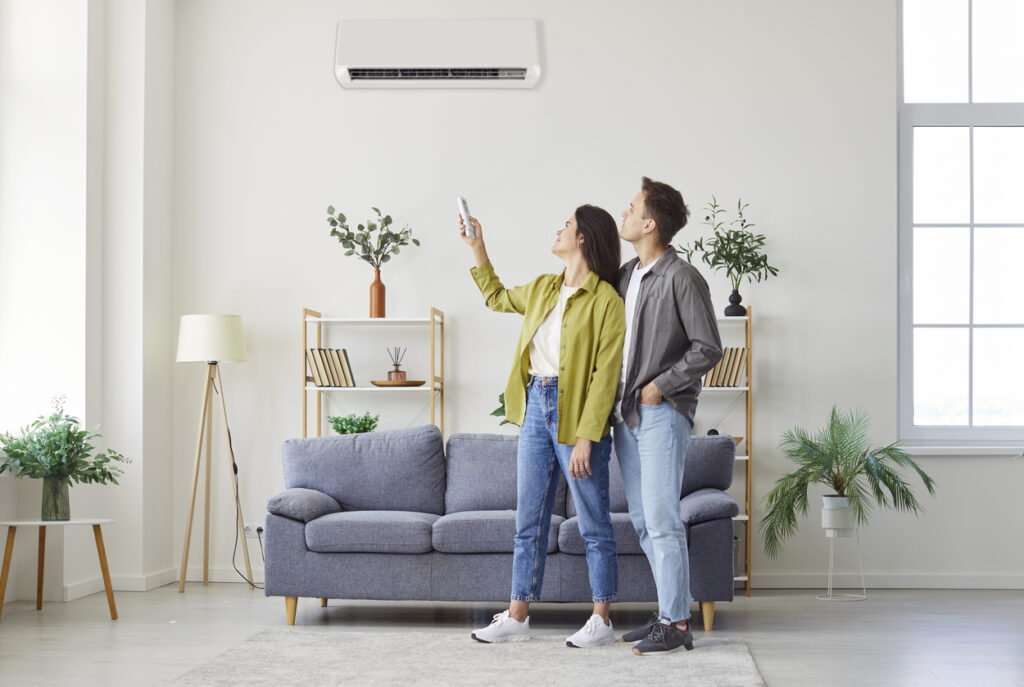
Off-grid living used to come with the gain of lower utility bills, but a harder time staying comfortable year-round. Heating a cabin in winter or cooling a tiny home in summer often meant relying on wood stoves, propane heaters or inefficient window units that consumed more energy than expected.
In 2026, DIY-friendly heat pumps, especially ductless mini split systems, started making climate-controlled living more realistic for people building self-sufficient homes. You can install many yourself, avoid expensive labor costs and run both heating and cooling from one energy-efficient setup. Homesteaders, tiny home owners and anyone reducing dependence on traditional utilities, find modern heat pumps among the most practical upgrades available.
Understand Off-Grid Climate Control
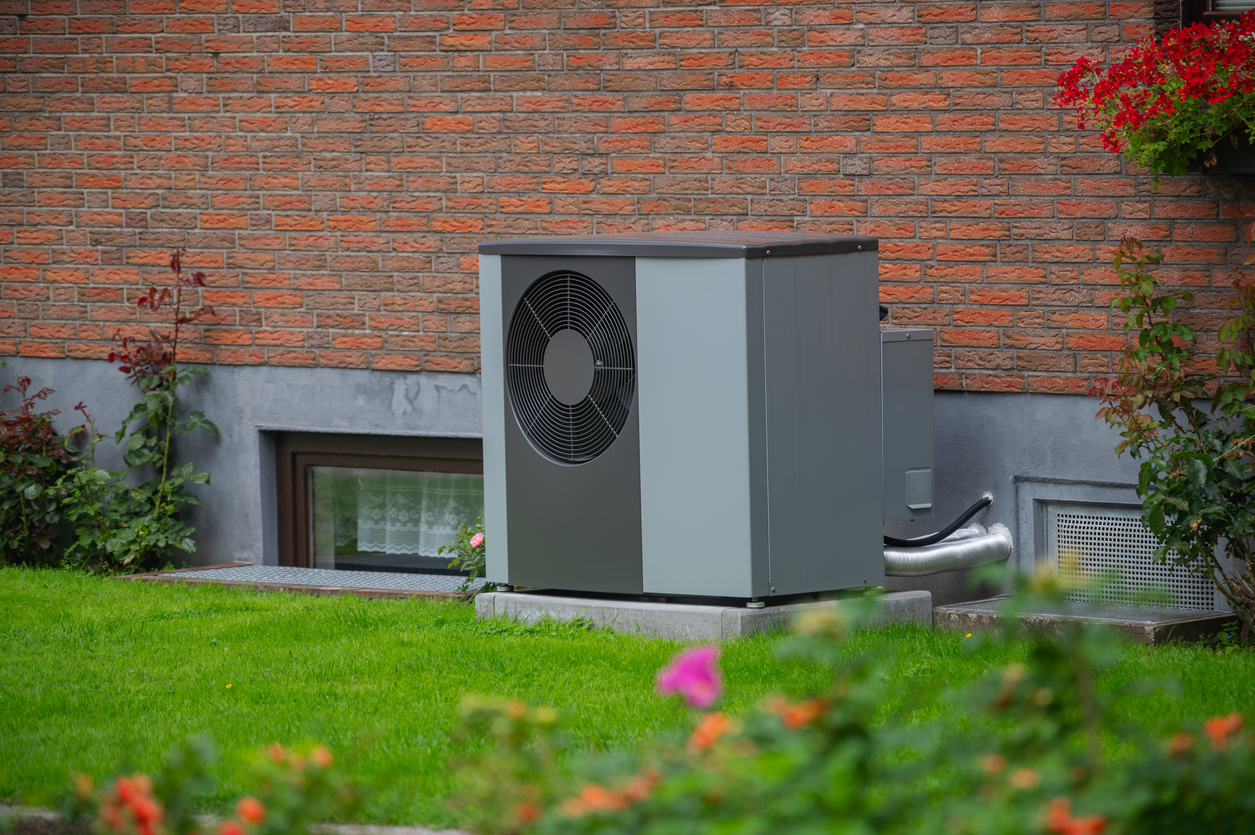
Generating heat and cooling for your rural home can require solar installations and generators, but making the most of nature’s ground and air can help you reduce the energy needed to run basic systems. Heat pumps work differently from traditional heating technology. Instead of generating warmth, they move it from one place to another. In winter, the system pulls warmth from the air or ground and transfers it indoors. In summer, it reverses the process and cools your space.
Add Heat Pumps for Efficiency
Optimized technology matters when you live off the land. Instead of managing separate machines across seasons to maintain a comfortable home temperature, you can rely on a single setup designed for year-round comfort. Modern units also operate far more efficiently than older electric heaters or portable AC units.
Many homesteaders now use heat pumps as part of a broader energy strategy. Experts say these systems can both heat and cool your space, while reducing overall energy demands compared to traditional HVAC equipment.
Approach DIY as a Game-Changer
Typically, ground-source heat pump installation costs are higher, but it delivers a return of three to five units of heating or cooling for every unit of electricity. The efficiency becomes especially valuable when you depend on solar panels, battery storage or generators for electricity.
Choose DIY to Save
Professional HVAC installation can quickly drain a project budget. Labor, permits, ductwork modifications and electrical work often push costs much higher than expected. When you DIY installation, you can potentially save between $3,500 and $8,000 on a one-ton to two-ton mini-split system you would have otherwise spent on labor and materials. Doing the job yourself also means you can shop around for budget-friendly options, without paying markups.
Many modern mini split systems can be installed from the box, as they are pre-charged with refrigerant lines and simplified installation kits. If you easily handle basic construction tasks, mounting brackets and electrical prep, you can do most of the work yourself. Some homeowners still hire electricians for final hookups, but doing the basic prep work dramatically reduces expenses.
Optimize Utilities for Self-Sufficiency
Cost matters when your utility installations already account for the costs of solar panels, water systems, battery storage, septic solutions, land development and tiny home construction. Saving several thousand dollars on HVAC installation may free up money for insulation upgrades, additional batteries or backup power.
DIY installation also fits naturally into the self-sufficient mindset many homesteaders already embrace. If you maintain your own water supply, grow food or build structures yourself, learning how your heating and cooling system works often feels like the next logical step, especially if you want to cut back on particulate matter from woodburning stoves or fireplaces to reduce allergies and pollution.
Guide to DIY-Friendly Heat Pumps
Mini-split heat pumps have become one of the most popular choices for off-grid properties because they combine efficiency, flexibility and relatively simple installation.
Rise of the Mini-Split
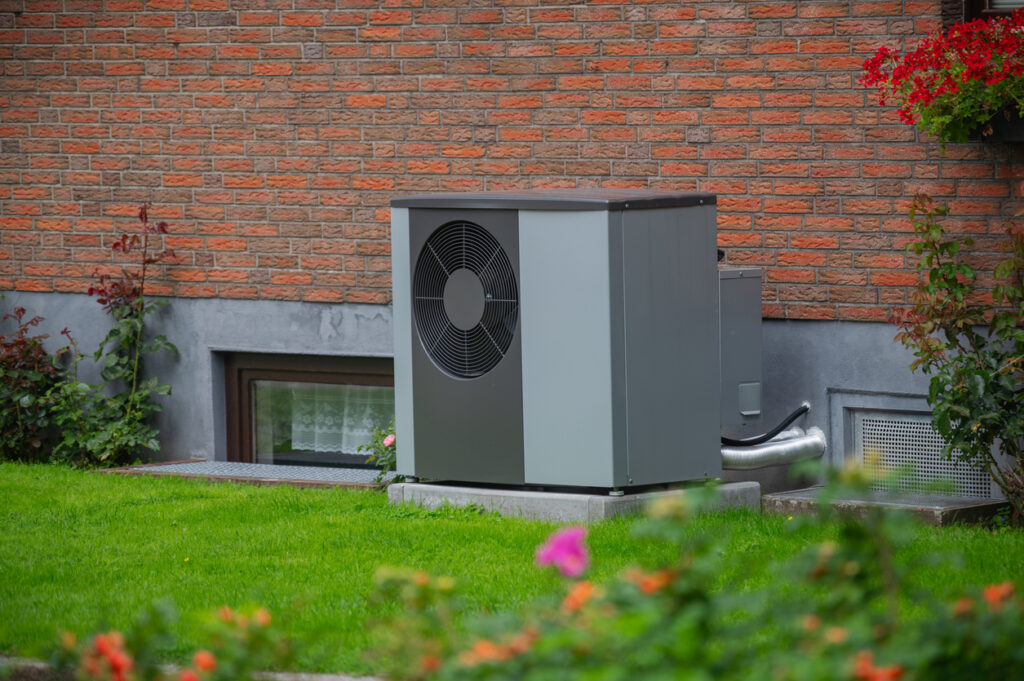
Unlike traditional central HVAC systems, mini-splits do not require ductwork. The system typically includes one outdoor compressor unit and one or more indoor air handlers. Refrigerant lines connect the components.
Ductless connections avoid the energy losses common in older homes and cabins. You also gain more control over individual spaces. If you only use certain rooms during the day, you can heat or cool those zones without wasting energy in the rest of the house. A properly sized mini-split can maintain stable indoor temperatures of 9,000–36,000 British Thermal Units for each indoor handler when cycling correctly.
DIY mini-split installation options are also improving. Newer models operate effectively in colder climates, which makes them practical even in regions with harsh winters.
Consider a Geothermal System
Air-source mini-splits are easy to install, but geothermal systems are also attracting attention from sustainability-minded homeowners. Ground-based pumps use underground temperatures instead of outside air for heat exchange. Because underground temperatures remain more stable year-round, geothermal technologies often operate more efficiently than traditional HVAC units.
Geothermal systems use between 25% and 50% less electricity than other heating options because underground temperatures fluctuate less than outdoor air. The downside is installation complexity. Geothermal units usually require excavation or underground loop installation, making them less DIY-friendly than a mini-split. However, if you are building a long-term homestead and are already planning excavation work, geothermal heat sinks may become part of your overall design and energy strategy.
Plan Your DIY Mini-Split Project
Before installing a system, you need a realistic understanding of your space and energy usage. Oversized selections cycle on and off too frequently, which reduces efficiency. Undersized ones struggle to maintain temperature during extreme weather.
Various sizing considerations matter when selecting the right size mini-split for your space. In addition to the space’s square footage, various other factors also affect what heating output you can expect from each type of mini-split. You should create a list of how each of these factors affects your home and consult with the technical staff where you intend to purchase a mini-split to ensure you size correctly.
| Sizing Factor | How It Affects Your Mini Split | Why It Matters Off-Grid |
| Ceiling height | Tall ceilings increase the volume of air your system must heat or cool, especially in lofted tiny homes. | Extra air volume can make small units work harder and reduce efficiency. |
| Climate | Colder regions demand stronger heating performance, while hot climates increase cooling loads during summer. | Extreme temperatures place greater demands on grid-free power. |
| Window placement | Large south- or west-facing windows increase solar gain during the day, which may require a larger system. | More indoor heat means higher cooling demands and greater energy use. |
| Insulation | Good insulation reduces winter thermal loss and helps maintain cooler indoor temperatures in summer. | Better insulation reduces overall energy consumption and helps smaller units perform more efficiently. |
| Sun exposure | Homes with little shade absorb more heat, especially metal tiny homes or structures with dark exterior finishes. | Excessive heat gain can increase cooling costs and battery usage during hot weather. |
Energy planning matters just as much. If you rely on solar power, your HVAC system becomes part of your daily energy budget. Efficient heat pumps reduce strain on battery banks and help preserve stored power overnight.
You can improve efficiency further by pairing your system with other smart habits. Energy experts recommend turning off unused appliances and lights to reduce unnecessary electricity use — an important habit when you generate your own power.
Live Sustainably off the Land
Off-grid heating once relied heavily on fireplaces, coal stoves and propane burners. While traditional methods are effective, they can affect indoor air quality. Electric heat pumps avoid combustion indoors entirely. The cleaner operation makes them appealing for families trying to create healthier living spaces while reducing their environmental impact. Green energy systems often include water storage, rainwater collection, solar panels and green building methods.
Sustainable building choices can help reduce your carbon footprint. If you are building or expanding a homestead property, you may also consider longer-lasting construction materials. Explore how CO2-mineralized cement creates stronger, more energy-efficient and durable structures.
Make a More Accessible Future for Off-Grid Living
Modern systems offer efficient heating and cooling, lower operating costs and simpler installation options than many older HVAC setups. Combined with better solar technology, improved battery storage and smarter home design, these systems are making self-sufficient living more accessible to a wider range of people. If you want to reduce your reliance on utilities, without sacrificing comfort, a DIY mini-split heat pump may be one of the most valuable upgrades you can make in 2026.


Post a comment