
The Rise of Bio-Based Envelopes: Green Materials Leading the Efficiency Charge
When you think about a structure’s shell, you’re looking at its “envelope.” It includes the walls, roof, doors and windows that protect everything inside. A good envelope protects you from the elements. while also keeping you comfortable year-round by holding in heat or cool air. In sustainable construction, this layer can significantly reduce energy consumption. The secret lies in using green materials and smart enhancements.
The Move Toward Greener Construction
Over the years, more people in construction and trades have realized how much carbon is released into the atmosphere by traditional materials like concrete and steel. If you’re aiming to lower your building’s environmental footprint, switching to greener options is a great start.
Using renewable resources cuts pollution. It also helps you meet new standards and customer expectations for green construction.
Consider wood wool for insulation. It’s made from timber shavings, so it’s both natural and highly flexible for building needs. The material features a high heat storage capacity, making it an eco-friendly way to keep indoor spaces comfortable, while also helping with soundproofing and damp protection.
Using sustainable materials can help your builds stand out in a competitive, eco-conscious market. Residential construction is not the only one experiencing this shift. Many commercial builders are also choosing green envelopes to meet strict codes and enhance their reputation as sustainability leaders.
What Makes Bio-Based Envelopes Sustainable?
Bio-based envelopes are made from materials like timber, straw, hemp or agricultural leftovers. These are naturally replenishing resources that often require less energy to produce compared to traditional options. Choosing these green options also means reducing the chemicals brought into a building. This leads to healthier indoor air for you and your occupants.
The real-world impact is clear with projects like the J.J. Carroll House. This building achieved impressive energy savings by using dense-pack cellulose insulation and advanced airtight techniques. Cellulose is typically made of recycled plant-based materials, such as newspaper and cardboard. The house project included continuous exterior coverage and triple-pane windows, all working together to minimize energy loss.
By reducing air leaks and thermal bridging, the building becomes more comfortable and affordable to run. These strategies prove bio-based solutions can compete with traditional insulation systems.
Leading Bio-Based Envelope Materials
You have several innovative options for green building products. Each brings unique benefits, and there’s likely one that suits your next project.
- Mass timber or cross-laminated timber: Strong enough for large buildings, it even helps capture and store the carbon absorbed while the tree was growing.
- Sheep wool: Thermally efficient and sound-absorbing, it repurposes farm waste and can last up to 100 years in walls and floors.
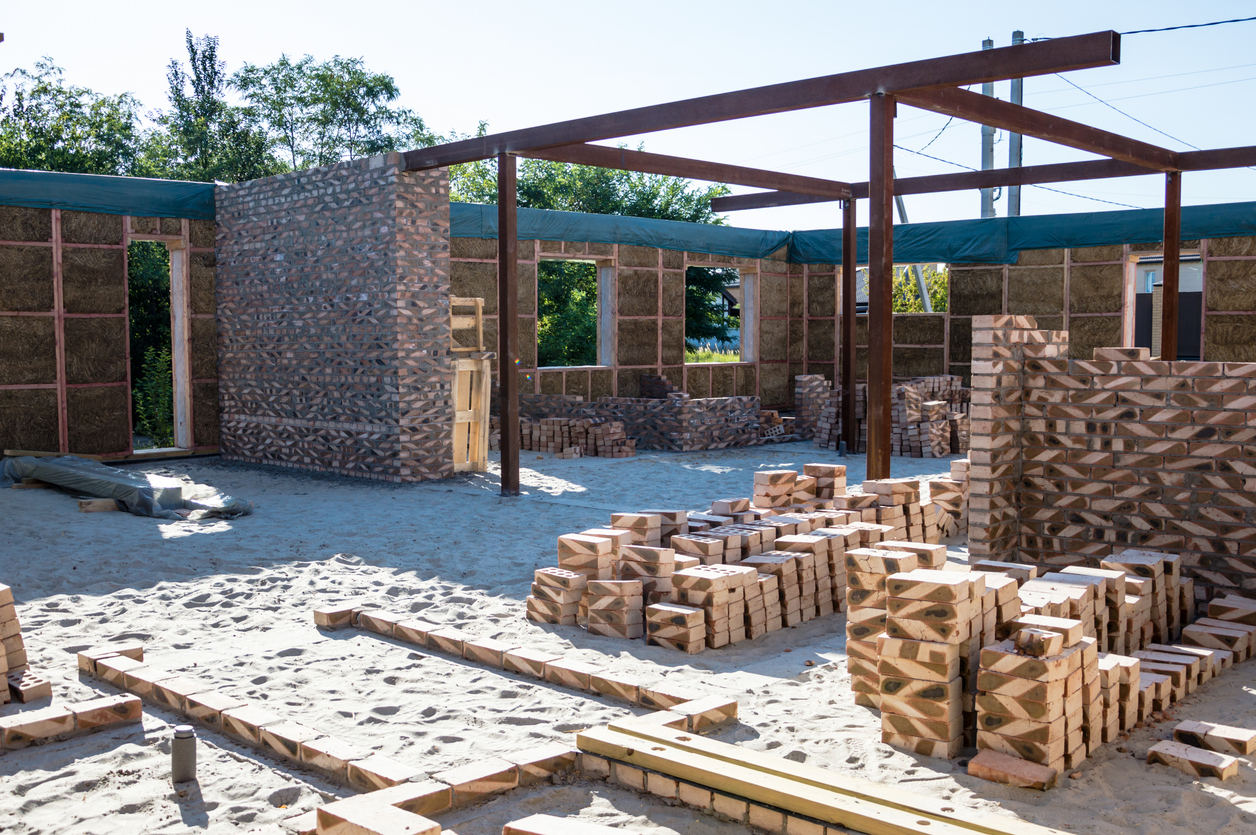
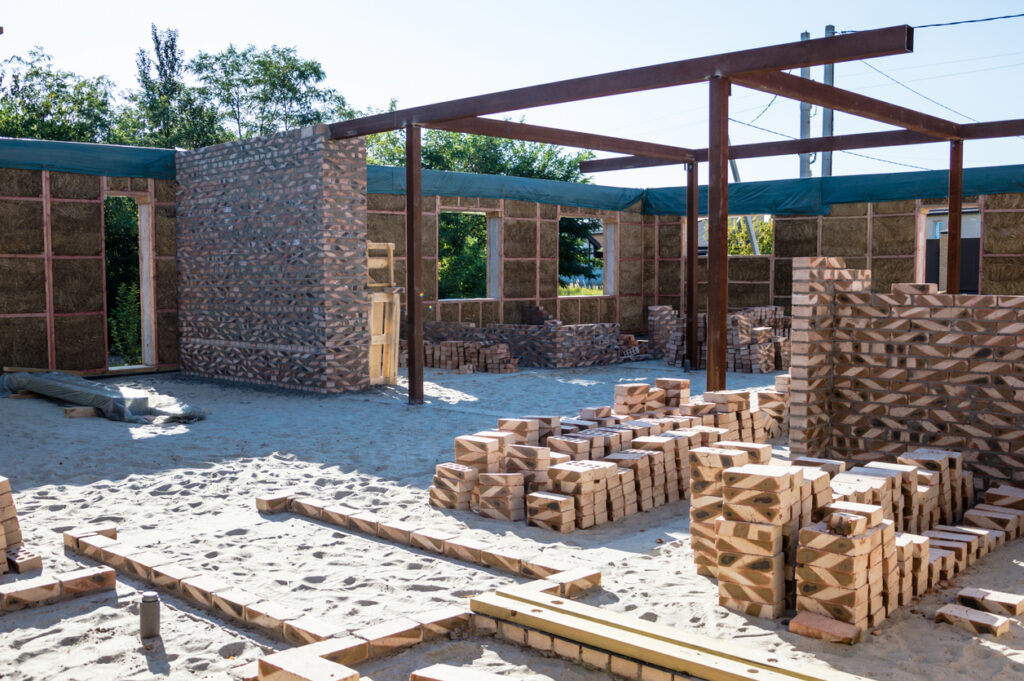
- Straw bale construction: This technique uses agricultural waste, such as wheat or barley stalks, to build thick, super-insulating walls.
- Mycelium: Some companies use the root-like structure of mushrooms to grow lightweight, fire-resistant and fully compostable insulation panels.
- Hempcrete: This material combines hemp shivs and lime to form an insulating, breathable wall material that’s naturally mold-resistant.
Smart Enhancements for Sustainable Envelopes
Once the core of your building is solid, you can boost efficiency with various technologies. Many upgrades pair well with bio-based materials.
For example, smart garage door openers can control energy loss. They can keep out drafts and regulate indoor temperature by ensuring the garage door automatically closes at scheduled times according to your daily routine.
Other smart solutions, like programmable thermostats, window sensors and automated vents, can help you monitor and optimize your building’s performance. You can make real-time adjustments based on their data to stay energy-wise.
Living roofs or green roofs can improve building insulation in an eco-friendly way. They absorb rainwater, reduce runoff, help clean the air, support wildlife and even make the roof last longer.
Many of these enhancements can be retrofitted on old properties. This makes them accessible, even if your project doesn’t involve starting from scratch.
Embracing Green Materials for the Future
When deciding on your building’s envelope, take the chance to shape a future that’s good for your wallet and the world. Take advantage of time-tested natural materials for long-term efficiency. Switching insulation types, adding a smart system and other small steps can also make a big difference in your structure’s performance. Choose green with every project to create a sustainable legacy for future generations.

Post a comment