
Beyond Compliance: How 2026 Wildfire-Resistant Siding Standards Protect Both Homes and Ecosystems
Many people enjoy living closer to nature. You can wake up to birds chirping and have better air quality, fresher produce and stunning views. You may also experience less stress and anxiety than you would in crowded, busy urban areas. However, this lifestyle includes embracing responsibilities that help preserve the environment, including protecting it from wildfires.
It’s important to take proactive initiatives to protect both your home and the surrounding natural environment from destruction caused by wildfires. Learn more about these measures, from cement board siding to fiber cement siding, to ensure your safety.
Understanding the Wildland-Urban Interface
The wildland-urban interface (WUI) is a geographic zone where human infrastructure meets or blends with undeveloped wildlands. It expanded by 179,000 square kilometers from 1990 to 2020, with homes in these areas growing by 47%. These houses are either scattered throughout the land or are located in a clear, developed area bordering it.
People choose these zones due to their unparalleled privacy, scenic backdrop and proximity to nature, such as forests or lakes. Urban sprawl can also cause increased development in these zones. The downside for WUIs is houses here are more at risk during wildfires. They can also increase the risk of fires by providing flammable materials that can intensify them.
What 2026 Wildfire Standards Mean for Safer Communities
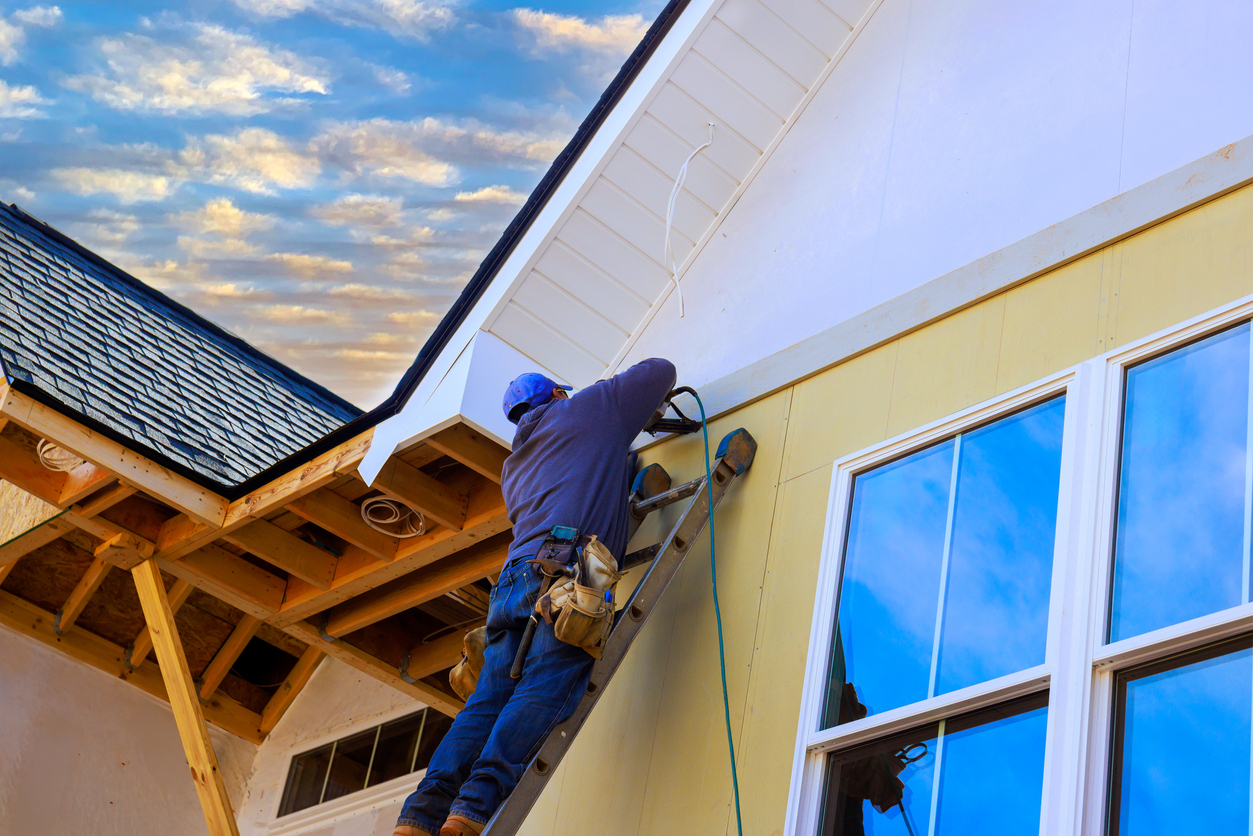
Building code updates are focusing on mitigating wildfire damage by using the right construction materials. Contractors aim to harden the home, with siding resistant to ignition from wind-blown embers or radiant heat from a surrounding fire. The new mandate states the need to use certified noncombustible and fire-resistant siding for the house’s exterior.
Upgrade to fire-resistant siding, especially if your old siding is showing signs of damage. You likely need a replacement if your siding is old and weathered, cracked, melted and failing, or includes asbestos. These factors show a significant decline in the quality of your home’s protection, creating a safety and security issue.
Fireproof Siding Protects the Wider Environment
Wildfires have a domino effect. A home with combustible siding can catch embers or heat and release massive amounts of energy, which then affects the surrounding areas. Fireproof siding prevents further damage. As a result, you help contain the fire, so it doesn’t spread and harm wildlife and ecosystems.
You can help the environment by clearing flammable plant parts, such as pine cones, grass, weeds, fallen leaves and shed bark. However, doing this every day can be tedious and physically demanding. It can also lead to habitat loss for animals and soil erosion. Ignition-resistant materials, such as cement board siding, can minimize clearing and preserve the natural landscape.
You can also incorporate other fire-resistant siding options, such as liquid granite, which is made from recycled materials. Use it to pave driveways and repatch and coat walls. Additionally, you can plant fire-resistant greenery around your house’s perimeter. Examples include ice plants, coral bells and succulents. Space each tree, shrub or plant apart so fire can’t easily jump from one to another.
Properly place equipment and highly flammable materials in secure areas. For example, avoid parking or using machines, such as lawnmowers, on dry grass. The hot engines can accidentally ignite a small fire. Place firewood away from the house, especially when there’s a risk of wildfires. Extinguish any campfire and turn off any outdoor light sources when not needed.
Why Fiber Cement Siding Is the Sustainable Choice
Some siding materials release toxic chemicals when burned, which then pollute and contaminate the surrounding air, soil and water. The damage to these ecosystems can be seen even when the fire has long gone out. As such, it’s important to use noncombustible materials, like fiber cement siding. It’s composed of relatively stable materials such as sand, cement, water and cellulose fibers. It does not produce toxic fumes, should it catch fire.
Fiber cement siding has a long lifespan. It’s a highly sustainable construction material since you won’t need to replace it often. According to Matt Gilmore, an expert in the construction and remodeling industry, “Unlike traditional wood or vinyl siding, fiber cement siding, like James Hardie siding, is resistant to rot, pests, fire and extreme weather conditions. As a result, your home’s exterior is highly durable, providing you with peace of mind and security when living near wildland areas.”
Without frequent replacement, the key raw resources are preserved and landfill waste is reduced. This also saves you time, money and energy from dealing with constant repair or replacement work.
From Fireproof Siding to Eco-Friendly Home
The green construction industry is valued at approximately $81 billion in the United States. You have plenty of choices when it comes to eco-friendly materials. The most easily accessible action you can take is to learn and understand your local building codes and wildland-urban interface status. With this knowledge, you can take further steps and make decisions when incorporating sustainable practices and materials into your home. You can also consult local building professionals for more in-depth insights.
Here are some things you can do to live more sustainably:
- Consume less electricity and utilities: Focus on using only what you need and running appliances during off-peak hours.
- Source local materials: Sourcing local materials lowers the environmental impact of materials from shipping and supports local businesses.
- Use recycled materials: Materials, such as reclaimed wood, reclaimed bricks and recycled glass countertops, are eco-friendly choices.
- Replace lights with LED bulbs: LED light bulbs use less energy and can last longer than incandescent lights.
- Install solar panels: Solar panels do not emit harmful greenhouse gases.
Building for Tomorrow
There are many different types of home exteriors. The right choice for you depends on your goals, living conditions and environment. Fireproof siding is especially beneficial for people living on the wildland-urban interface. The surface prevents fire from catching, saving your home and stopping further spread into the forest.
Other proactive and sustainable steps you can take are learning local building codes, sourcing construction materials from local suppliers and using recycled materials. Taking actions like these can protect your home from wildfires and respect the natural environment in which you live.
Post a comment