Why What You Flush Matters to the Planet
Most people don’t think twice about flushing. It’s easy to assume all waste problems disappear down the pipe and go into a distant world below us. In reality, what goes down your drain enters a complex chain of systems. Not everything that leaves your bathroom gets neutralized before it reaches the natural world. Understanding how these systems work can change your perspective on everyday habits and help you minimize negative impacts on the planet.
What Happens When You Flush the Toilet?
Homes in urban areas and high-population cities are typically connected to a centralized sewer system, where wastewater travels to a treatment plant. Rural homes more commonly rely on septic systems. In these, waste is broken down on-site before liquid effluent filters into the surrounding soil. A smaller percentage of households use composting toilets, which process waste entirely without water, converting it into compost material to be used in gardens.
Comprehending how different systems work is key to understanding how they impact the environment. Households using a composting toilet must consider how to properly dispose of waste, while residents who rely on municipal systems must consider what they flush and allow into the wider system.
The Medication Problem
A massively unaddressed problem is the improper disposal of pharmaceuticals. When people flush expired or unused pills, those compounds travel through wastewater systems not designed to remove them. Trace levels of antibiotics, hormones, antidepressants and other pharmaceuticals in streams, rivers and groundwater have been detected across the country.
Aquatic life is particularly vulnerable. Synthetic estrogen from hormonal contraceptives has been linked to feminization in fish populations. Antibiotic residues in waterways contribute to the broader problem of antimicrobial resistance.
The solution comes in two parts. Firstly, many pharmacies and health departments now have take-back policies for unused pharmaceuticals. Returning medication, rather than flushing it, is a great way to ensure it doesn’t reenter the environment in a harmful way. The next step is awareness. Spreading the message to people unfamiliar with the dire consequences of improperly disposing of pharmaceuticals is a significant contribution to the cause.
Wipes, Cotton and Other Things That Should Not Be Flushed
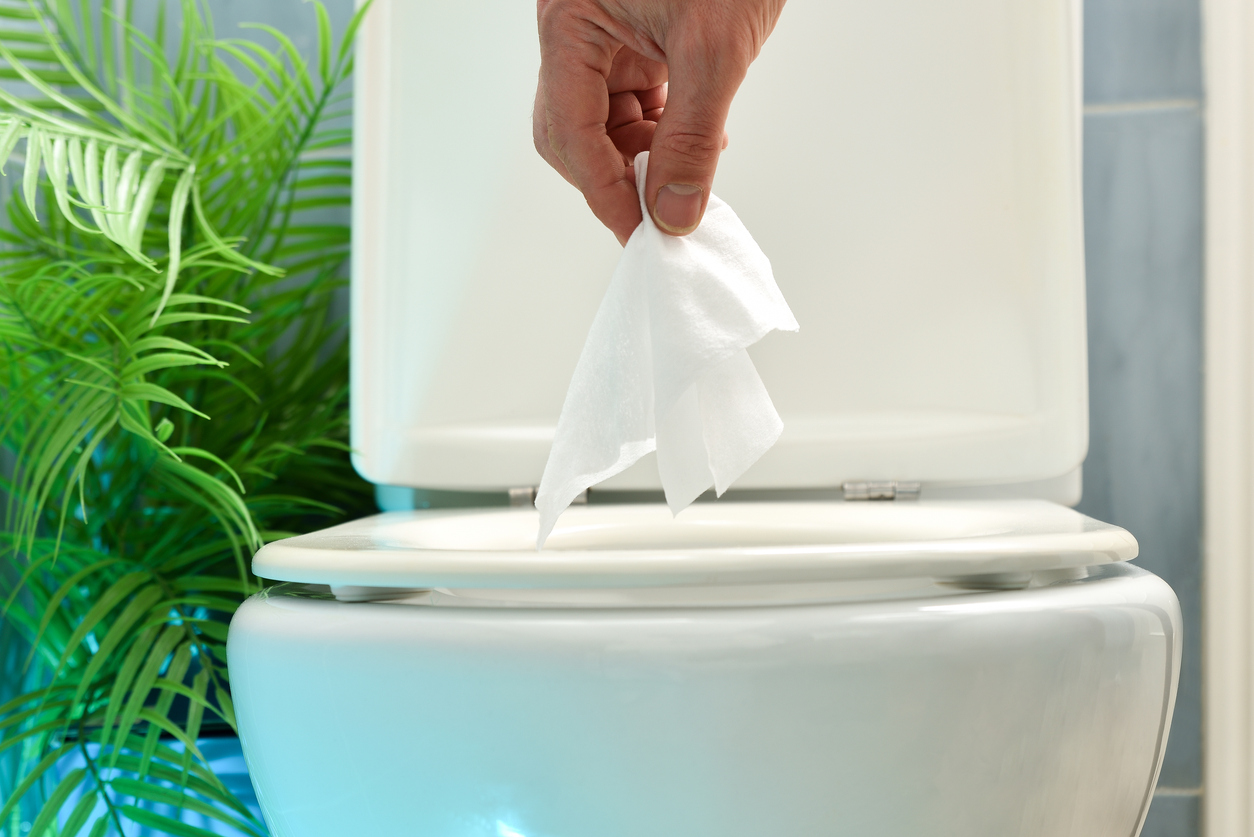
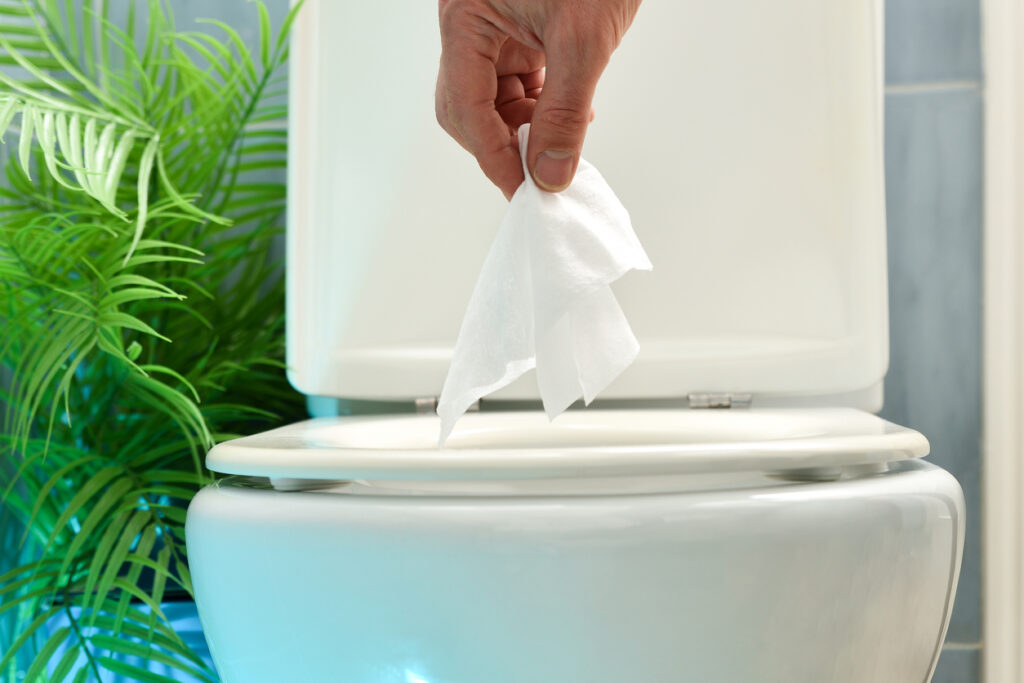
“Flushable” is one of the more misleading words in consumer product marketing. Products labeled as such technically clear the toilet bowl, but many do not break down as toilet paper does. These materials often mix with fat and grease and clog up pipes, both in residential systems and municipal sewage infrastructure.
Cotton, dental floss, swabs and menstrual products share the same problem. They can travel long distances through a system before causing a blockage or escaping into the environment entirely. Yet, millions of people every year continue to flush nonbiodegradable items down their toilets. They assume, because these products are out of sight, they do not pose problems in the grand scheme of things.
This problem is even more consequential in septic systems. Nonbiodegradable products disrupt the bacterial balance that septic systems require to function properly. This potentially allows partially treated waste to seep out and leach into the surrounding environment, affecting local soil and water systems. When debris creates severe clogs and buildup, professional intervention is often the only way to restore proper functionality and ensure compliance with environmental standards.
Cleaning Products and the Chemical Cycle
The cleaning products in your bathroom are chemically formulated to eliminate bacteria in the space, which is a desired characteristic of home sanitation tools, but not something you’d want to flush down the drain regularly.
When a chlorine-containing cleaner is flushed, it eventually mixes with organic matter, forming trihalomethanes that are dangerous to aquatic life. Formulations that contain phosphates can also cause algal blooms when they enter the environment, suffocating fish and disrupting ecosystems in lakes and rivers.
To reduce these hazards, consider using biodegradable and phosphate-free products. This shift requires low effort but is highly impactful. The cleaning performance is definitely comparable, and the downstream effect on local water quality is considerably better.
Small Habits Lead to Big Changes
Your bathroom is rightfully one of the most private spaces, yet it’s important to acknowledge these systems are part of a larger whole. Our choices, small as they may seem, have an impact on the ecosystem. Significant improvements can be made by simply being more mindful. By being aware of what should and shouldn’t be flushed, you can create a positive impact that extends well beyond the bathroom door.

Post a comment