
London’s First Floating Natural Pool Opens June 19 — Could Chemical-Free Swimming Be the Next Big Eco-Trend?
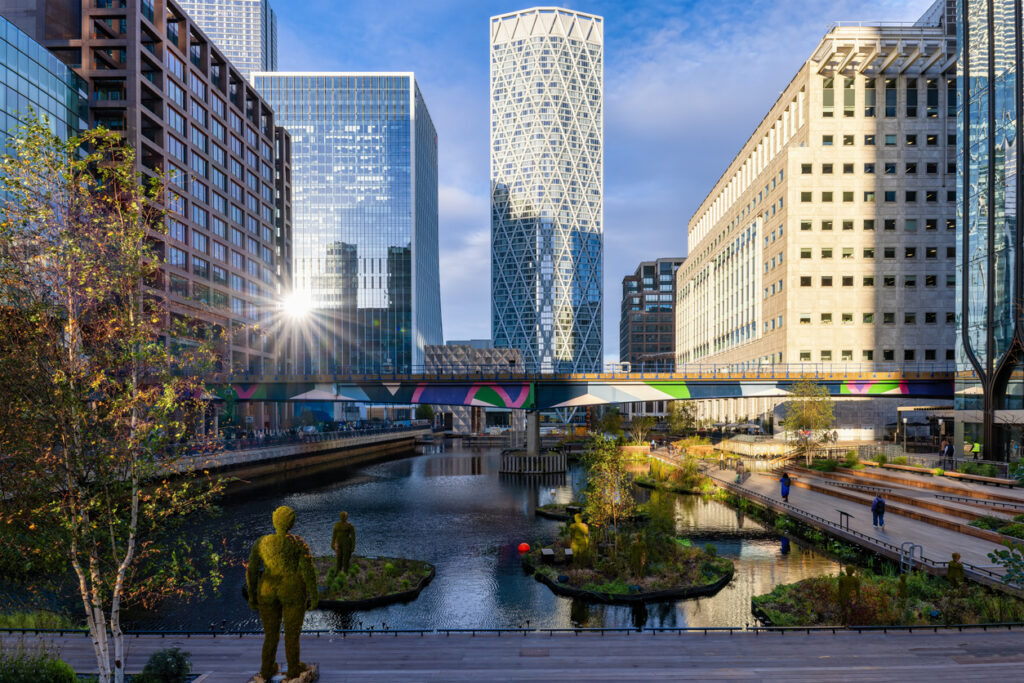
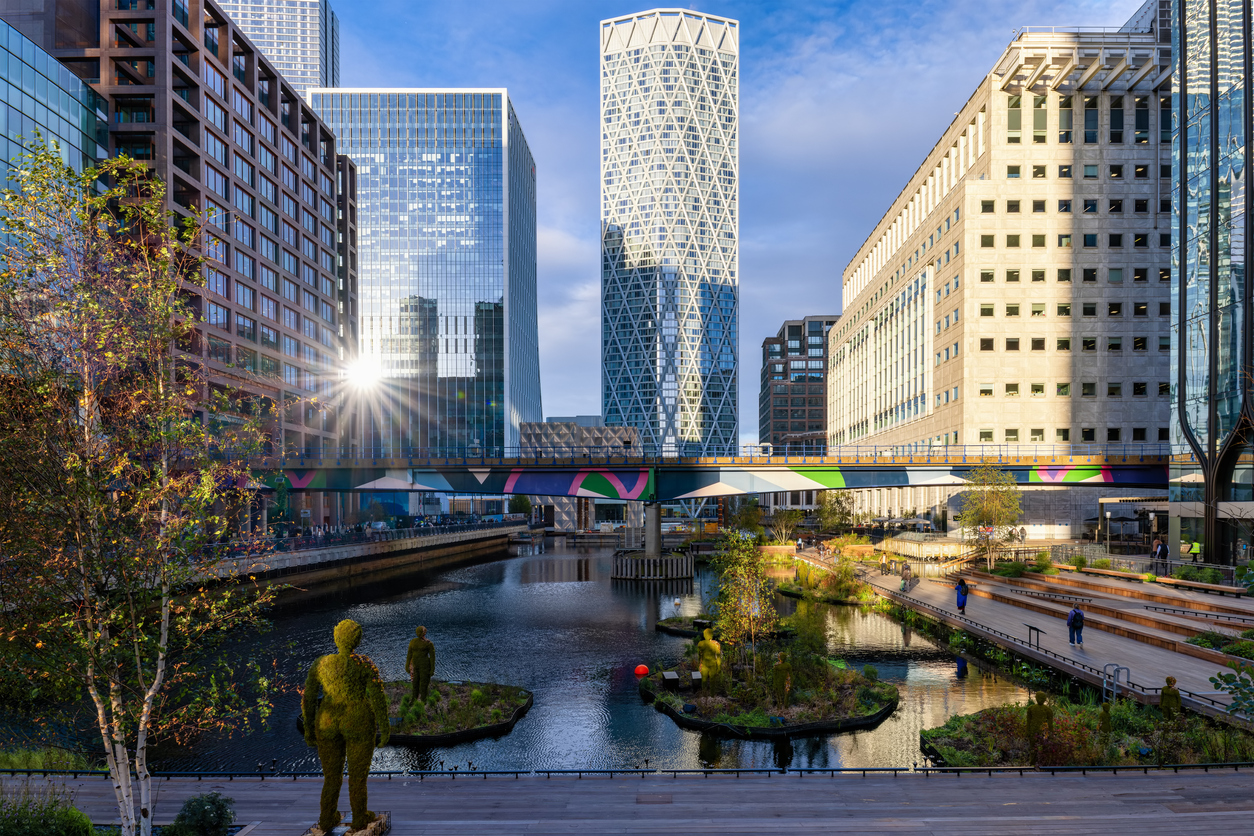
A major sustainability milestone arrives in London this summer. On June 19, 2026, Sea Lanes Canary Wharf will open London’s first floating natural pool, introducing a new approach to urban recreation in one of the world’s busiest business districts.
As interest grows in greener outdoor spaces and lower-impact amenities, natural pools have emerged as one of the most intriguing developments in recreational design. Could chemical-free swimming become the next major eco-friendly trend?
London’s Floating Natural Pool Brings a New Vision to Urban Recreation
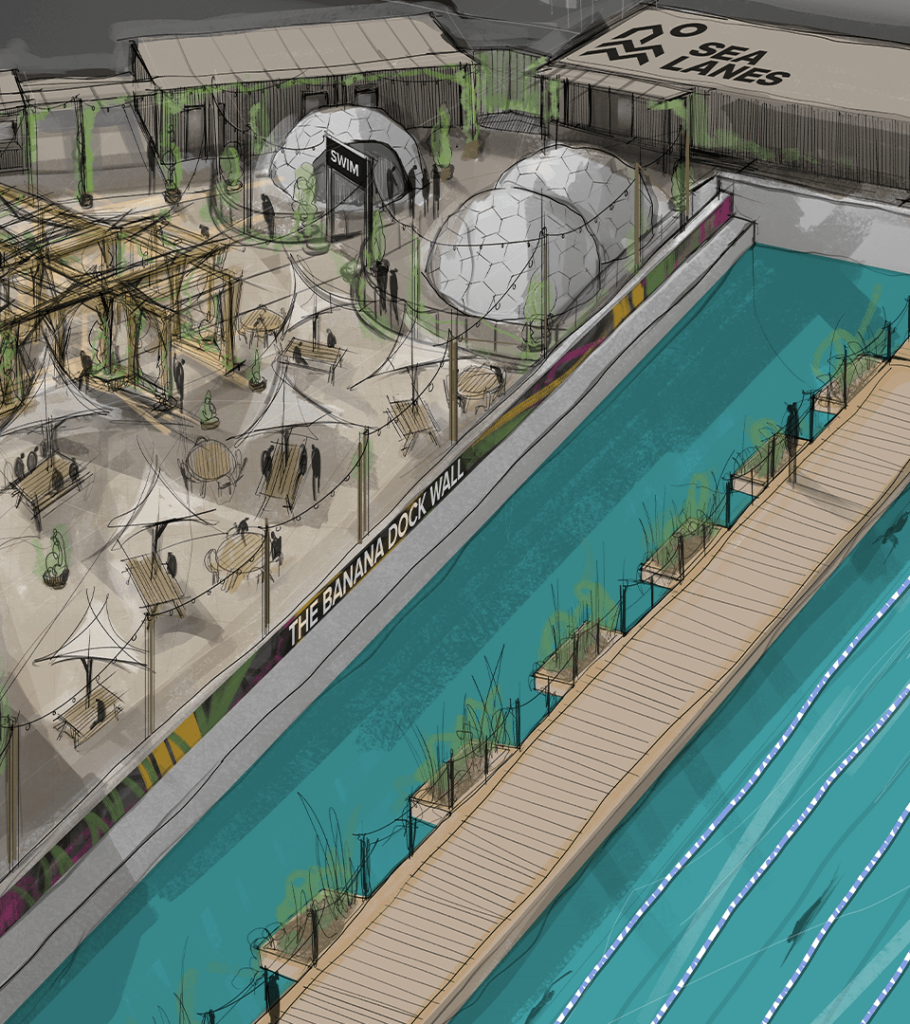
Sea Lanes Canary Wharf sits within Eden Dock and features a 50-meter natural open-water swimming pool designed for year-round use. The facility also includes saunas, recovery spaces and accessibility features that welcome swimmers of all abilities. The project demonstrates how cities can transform waterfront spaces into destinations supporting recreation, well-being and environmental awareness.
Rather than treating urban waterways as scenery, Sea Lanes integrates them into the daily experience of residents and visitors. Canary Wharf Group views the project as part of a larger effort to expand the district’s blue and green infrastructure.
What Is a Natural Pool?
A natural pool uses plant-based filtration systems to maintain water quality rather than relying on traditional chemical treatments. Many designs incorporate aquatic plants, microorganisms and dedicated regeneration zones to help keep water clean and balanced, while reducing reliance on synthetic chemicals.
Natural pool design appeals to people who want outdoor spaces that work with nature, instead of separating recreation from it. Many projects combine swimming areas with landscaped environments that support biodiversity and create a more organic appearance than conventional pools.
Why Interest in Chemical-Free Pools Is Growing
Natural swimming pools’ growing demand mostly comes from homeowners, hospitality operators and municipalities seeking environmentally conscious recreational spaces.
Europe currently leads the market, driven by strong environmental awareness and regulations in support of natural pool installations. As adoption continues to grow across the region, its approach may serve as a model for other parts of the world exploring sustainable swimming solutions.
Many people also want outdoor experiences that feel more connected to the natural world. A natural pool offers a different aesthetic experience than a traditional swimming pool. Water features, aquatic vegetation and integrated landscaping create spaces that resemble living ecosystems rather than engineered installations.
The Sustainable Aspect of Natural Pools
Natural pools may support the environment in several ways, such as:
- Reducing chemical use through biological filtration systems reliant on plants and beneficial microorganisms.
- Creating habitats for pollinators, such as bees and butterflies, through native planting schemes around the pool.
- Supporting birds and amphibians by providing access to water, shelter and food sources.
- Improving water management when integrated with rain gardens, permeable surfaces or water-retention features.
- Encouraging biodiversity by introducing a greater variety of plants and animals into residential or community landscapes.
- Reducing landscape maintenance inputs when native plants replace high-maintenance ornamental species that require additional water or fertilizers.
One of the most distinctive and attractive features of a chemical-free pool is its ability to integrate into a larger landscape ecosystem. Many designs incorporate aquatic plants, shallow regeneration zones and surrounding vegetation to create habitat opportunities for insects, birds and other wildlife. This approach reflects a broader shift in landscape architecture.
Today, designers have access to a wide range of plant species and hardscape materials, allowing them to create outdoor environments that balance aesthetics, recreation and ecological value. Instead of treating a pool as a stand-alone feature, modern projects can integrate it into a larger landscape plan supporting biodiversity and strengthening the connection between people and nature.
The Wellness Factor Behind the Trend
Swimming in natural water environments supports mental health and well-being, offering people opportunities to spend more time outdoors, disconnect from screens and participate in activities that encourage movement and relaxation.
Sea Lanes reflects this evolution by combining swimming with recovery amenities and community-focused programming. The facility encourages visitors to view aquatic recreation as part of a broader lifestyle centered on physical activity and outdoor engagement. Interest in nature-based recreation continues to grow across many demographics.
What the Natural Pool Trend Means for the United States
Natural pools remain relatively uncommon in the United States, but several factors could support wider adoption in the coming years.
As sustainability becomes more popular globally, many homeowners may invest in native landscaping, rain gardens and environmentally conscious outdoor improvements. Planting different types of plants according to the season is also a good way to preserve them.
A natural swimming pool fits naturally within that broader movement. Instead of focusing solely on recreation, these installations can become central features within larger ecological landscapes.
Communities and hospitality businesses may also find opportunities in this approach. Resorts, parks and residential developments constantly search for ways to differentiate themselves while meeting sustainability goals. A thoughtfully designed eco pool can provide both environmental and marketing benefits. Outdoor living trends continue to shape residential design decisions nationwide.
Challenges of Natural Pool Design
Although chemical-free pools offer exciting possibilities, they require thoughtful planning and ongoing management. Climate conditions, available space and local regulations all influence project feasibility.
Designers often need to carefully balance filtration systems, circulation requirements and ecosystem health to maintain safe swimming conditions throughout the year. Property owners should also understand a chemical-free pool still requires regular maintenance. Frequently removing debris and running your water pump for at least eight hours every day are two key steps.
Water quality monitoring, seasonal upkeep and system management also remain essential responsibilities. Beyond regular maintenance, all pool owners — whether they choose natural or traditional designs — should prioritize pool safety measures, including proper barriers, covers, and deck maintenance to create a secure outdoor environment. Success depends on proper design and long-term commitment rather than a completely hands-off approach.
A New Chapter for Sustainable Swimming
Sea Lanes Canary Wharf offers a real-world example of how cities can blend recreation, environmental stewardship and community engagement into a single destination. Whether through public facilities, hospitality developments or residential installations, natural pool design continues to attract attention from people seeking more sustainable ways to enjoy outdoor spaces.

Post a comment