
Bill Shock Season: Why the March Equinox is a Vital Time to Fix Home Energy Leaks
Spring is a critical time to boost your home energy efficiency and reset indoor comfort. As temperatures shift, small energy leaks, hidden during winter, often become easier to notice. This seasonal transition is a vital opportunity to implement simple energy-saving tips to improve your home’s performance and avoid unexpected utility costs.
Even small adjustments can reduce wasted energy and prevent bill shock when cooling season arrives. Taking a proactive approach now also helps your home stay comfortable and ready for the warmer months ahead. Here’s where to start…
1. Checking and Repairing Window Energy Leaks
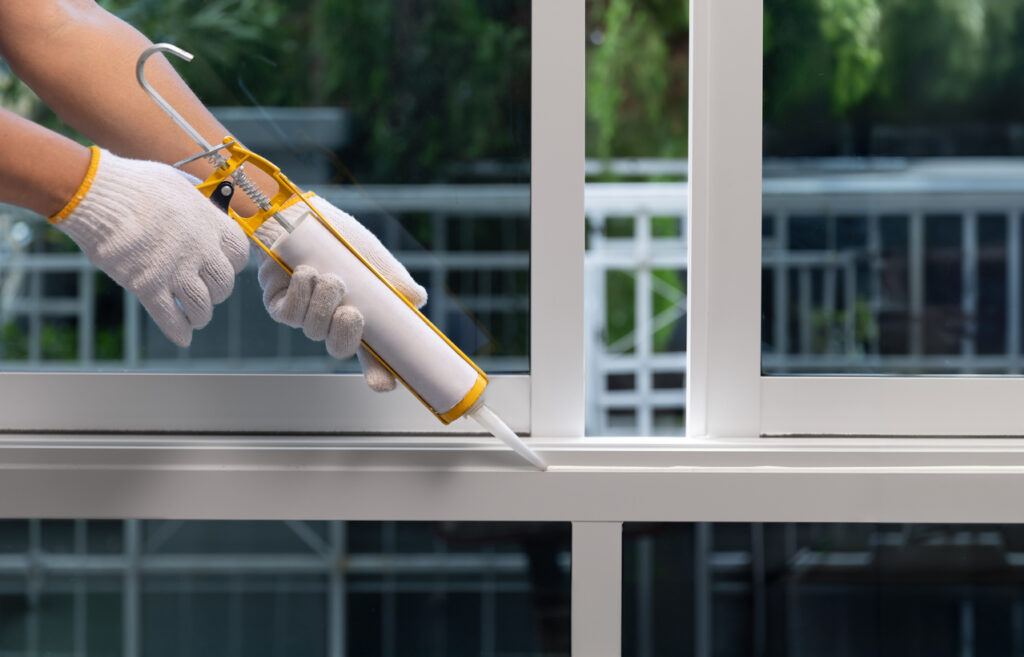
Windows play an important role in natural light, ventilation and comfort, but they can also contribute to energy loss if seals begin to wear over time. In fact, windows account for about 9% of a building’s energy consumption. Regular inspections are essential for seasonal upkeep. During spring, consider checking for winter-related damage, like cracked caulking or broken seals, and replace or repair them as necessary.
Walk around your home and check window frames for cracks, warping or peeling paint, which may indicate moisture exposure. Look closely at the caulking and weatherstripping around the frame, since gaps in these areas can allow drafts and moisture to enter.
You can also examine the glass itself. Chips, cracks or fogging between double panes can indicate a weakened seal, which reduces insulation performance.
Inside the home, make sure windows open and close smoothly, and check for signs of moisture around the frames or sills. These simple adjustments help maintain better insulation, support indoor comfort and allow your cooling system to work more efficiently during warmer months, potentially reducing energy expenses.
2. Reducing Summer HVAC Strain
If a home has air leaks, clogged filters or inefficient ducts, the air conditioner must work harder to maintain a comfortable temperature. This extra strain can increase energy use, while reducing overall comfort. Even small maintenance steps can help the system run more smoothly and prevent unnecessary energy waste.
Preparing your HVAC system now helps keep your home comfortable, while reducing the risk of summer air-conditioning overload. HVAC issues, air leaks and poor insulation can make heating and cooling systems work harder to maintain comfortable indoor temperatures at home.
Regular maintenance — including replacing air filters and keeping vents clear — supports consistent airflow and helps your system operate better. A seasonal tune-up can allow technicians to identify small issues, like worn parts, clogged drain lines or low refrigerant, before they affect system performance or drive up operating costs.
3. Inspecting the Garage for Hidden Energy Loss
The garage door is typically the largest moving opening in the home’s exterior, so it can influence how well indoor temperatures stay controlled. When this area performs well, it helps support a more balanced indoor environment.
Small gaps or cracks around the garage door frame allow warm outdoor air to enter the garage as spring temperatures rise. Garage door materials, like metal or wood, naturally expand during warmer daytime temperatures and contract as the air cools at night, reducing the door’s insulation effectiveness. Installing weatherstripping around the door helps create a tighter seal and reduces unwanted air movement. Adding insulation to the garage door can also improve thermal performance by slowing heat transfer and helping regulate temperatures inside the garage.
Inspecting the garage door in early spring helps you identify these small changes during this vital window. Addressing gaps, improving seals and maintaining insulation can support better temperature control in adjacent rooms. These small upgrades may help your home stay comfortable, while reducing unnecessary strain on your cooling system. Consider including your garage in a home energy audit to identify overlooked air leaks and insulation gaps.
4. Sealing and Insulating the Attic
Your attic plays a major role in how much heat or air conditioning stays in your home and how much escapes. Start by checking the depth of your existing insulation, as deeper insulation helps slow heat transfer and improve energy performance. Before adding more, seal visible air leaks around pipes, wires, ducts and attic openings to prevent conditioned air from escaping.
Many homes benefit from insulation materials such as loose-fill fibers or batt rolls — both designed to improve thermal resistance. Directing vents and exhaust fans outdoors also helps manage moisture and maintain healthy airflow. Strengthening attic insulation and air-sealing home techniques help keep indoor temperatures stable and reduces the strain on cooling systems when temperatures rise, helping manage energy costs.
At the start of the season, a quick outdoor inspection may help reveal loose shingles, minor flashing issues or small gutter shifts caused by the weight of winter ice. Melting snow can also make it easier to spot drainage patterns, including areas where water may collect near the foundation. In some homes, small foundation cracks may appear more visible after repeated freeze-thaw cycles. Identifying these changes early in spring provides a helpful opportunity to plan simple maintenance steps before heavier spring rains arrive.
5. Managing Indoor Heat from Appliances and Spring Cleaning
The weeks around the March equinox mark the shift between heating and cooling seasons, making it an important time to check for hidden air leaks. Milder temperatures mean HVAC systems run less often, revealing drafts around doors, baseboards and exterior outlets. Sealing these gaps with caulk or weatherstripping reduces energy loss.
Kitchens are one of the most energy-intensive rooms in a home. Heat from appliances, like ovens and cooktops, can significantly raise indoor temperatures and strain your cooling system. Cooking outdoors when possible helps keep kitchens cooler, and early-spring grilling lets you enjoy the fresh air, while reducing indoor cooling needs.
Spring cleaning can offer another chance to improve efficiency. You can replace HVAC filters, clear debris from around outdoor AC units, vacuum refrigerator coils and swap out incandescent bulbs for energy-efficient LEDs. Adding reflective window film, door sweeps, closing blinds during strong sunlight and programming your thermostat while away can further reduce energy use and indoor heat.
Optimizing Seasonal Efficiency from Equinox to Summer
The March equinox offers a valuable window to check your home during this vital seasonal transition. Small seasonal inspections, maintenance steps and upgrades can significantly improve comfort and performance, while helping you avoid bill shock as temperatures climb. Paying attention to airflow, ventilation and home insulation helps reduce energy waste over time. With a few proactive steps in early spring, your home can stay cooler, more balanced and more efficient throughout the summer.


Megan
This was interesting, especially the point about small leaks becoming more noticeable around the equinox when temperatures shift. One thing I didn’t realize until recently is that a lot of those “energy leaks” happen around electrical boxes too , like outlets and switches on exterior walls. There’s usually just an open gap behind them, and sealing that (foam gaskets or a bit of spray foam) made a bigger difference in comfort than I expected.