
The EV Charging Gap: How Community Solutions Are Powering the Future of Transportation
Electric vehicles (EVs) are reshaping how we think about the future of transportation, but there’s a catch. The charging stations needed to power this revolution aren’t keeping up with demand. While automakers race to build more EVs, communities across the country are finding creative ways to close the EV charging infrastructure gap on their own.
Why the Current Charging Infrastructure Isn’t Enough
By 2030, the U.S. will need 28 million charging ports to support an estimated 33 million EVs on the road. Current infrastructure plans fall far short of this goal, widening the gap as vehicle adoption accelerates.
Today’s public charging network was designed for occasional use, rather than daily charging needs. While most stations serve drivers who need a quick top-up during errands or travel, millions of EV owners will depend on them as essential infrastructure.
How Grassroots Charging Solutions Emerge
A national one-size-fits-all approach can’t address the unique challenges faced by different communities. Rural drivers, urban apartment dwellers and safety-conscious consumers each have distinct needs only targeted, local solutions can meet.
Supporting EV Adoption in Rural Areas
Range anxiety keeps many rural Americans from considering an EV, especially when the nearest charging station sits dozens of miles away. Local initiatives are changing this by installing chargers at familiar gathering spots like libraries, town centers and cultural sites. This gives drivers in these remote areas the confidence they need to make the transition.
The aim is to make recharging as reliable and predictable as filling up your gas tank at your neighborhood station.
Prioritizing Safety and Accessibility in Public Spaces
Building more chargers isn’t enough, if communities don’t plan thoughtfully about where they go. Successful infrastructure requires repurposing existing spaces for alternative-fuel vehicles in ways that ensure convenient access for all residents, not just those in affluent neighborhoods.
Chargers placed in isolated parking lots, or poorly lit areas, create barriers to adoption no amount of government incentives can overcome. Well-placed stations at grocery stores, shopping malls, libraries and community centers make EV ownership practical for daily life.
Solving the Multifamily Housing Dilemma
Apartment and condo residents face unique obstacles to EV ownership. Unlike homeowners, who can install a charger in their garage, multifamily residents must consider parking and electrical service challenges that building owners control.
Property managers who want to add EV charging must navigate complex questions about electrical capacity, billing systems and fair access for all residents. Done right, though, charging infrastructure becomes a valuable amenity to attract and retain environmentally conscious tenants in an increasingly competitive rental market.
What Makes a Community Charging Program Successful
Smart planning separates successful programs from costly failures through scalable infrastructure designed to grow with demand and energy management that keeps costs under control.
Starting Small and Planning for Growth
The most successful programs start small, while planning for future growth. This means installing the foundational electrical systems to support more chargers than are initially needed, avoiding expensive retrofitting later.
As demand from residents grows, new charging units can be added incrementally. This phased approach ensures the infrastructure scales with the community’s needs, without wasting money on underused equipment.
Using Data to Manage Energy and Costs
As charging hubs grow, controlling power consumption becomes critical to prevent electricity costs from spiraling and straining local grid capacity. Establishing robust energy monitoring systems that track usage patterns and identify inefficiencies is essential for effective oversight.
Clear performance indicators and regular audits help programs scale successfully, while keeping costs in check. The data from these systems optimizes charging schedules, reduces peak demand charges and extends infrastructure life.
Integrating Renewable Energy for Cleaner Charging
An EV is only as clean as the power grid that charges it. In 2023, 60% of utility-scale power generation in the U.S. still came from fossil fuels, meaning many electric vehicles are powered by electricity generated by coal or natural gas plants.
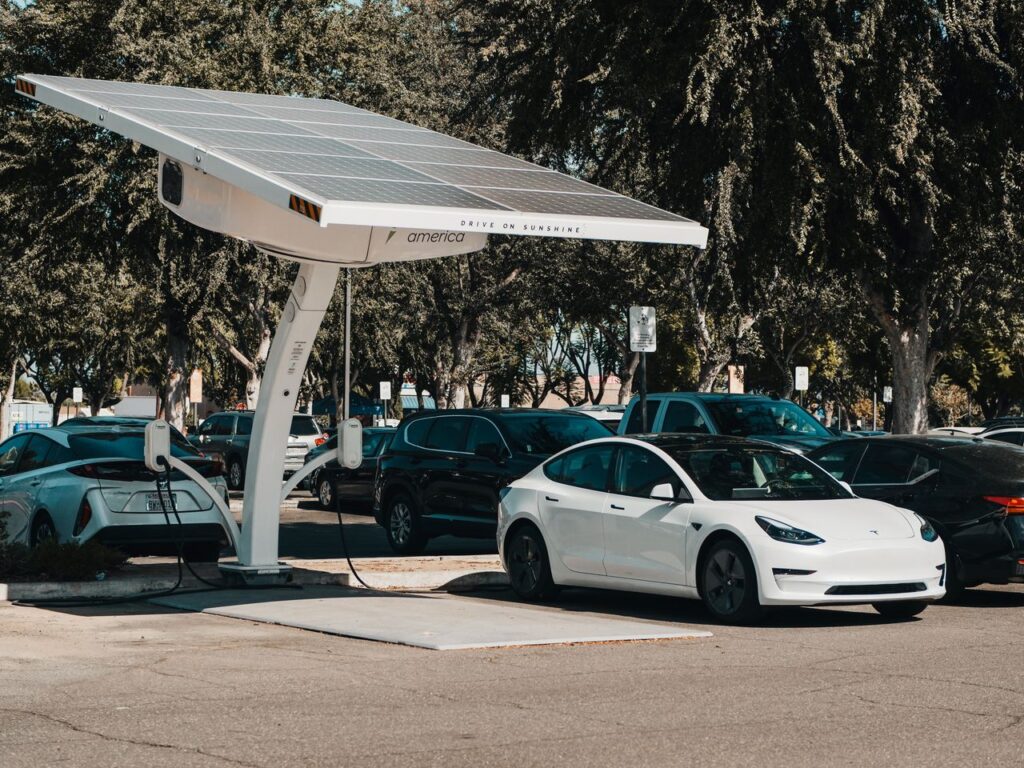
Community charging programs can address this by integrating local renewable energy sources. For example, solar panels on parking structures or nearby wind turbines let EVs charge with genuinely clean power, thus aligning with the sustainability values driving adoption.
How You Can Influence the Future of Transportation
The EV market is projected to reach over $137 billion by 2028, driven by falling costs, environmental awareness and government incentives. This explosive growth creates a window of opportunity for communities to shape their local transportation infrastructure.
You can advocate for better charging solutions in your area by attending city council meetings, connecting with local environmental groups or speaking with property managers about tenant needs. Market momentum is on your side, making this the ideal time to push for changes that will benefit your community for decades.
Creating a More Sustainable and Connected Road Ahead
The EV charging gap is real, but it’s not insurmountable. Community-driven solutions offer a flexible path forward, and together, these local efforts are shaping the future of transportation in your neighborhood and beyond.

Post a comment