
5 Roof Problems You Can Repair (And 3 That Require Full Replacement)
American homes generate approximately 11-13 million tons of asphalt roofing waste annually, most of which ends up in landfills, where it can persist for up to 400 years. Despite the scale of this waste stream, only 5-12% of roofing materials are currently recycled.
Your roof protects your home from weather changes, helps regulate indoor temperatures and plays a major role in overall efficiency. Repairing a roof that still has years of service life can reduce waste and preserve resources, while replacing your roofing system, when it reaches the end of its lifespan, can prevent recurring problems and improve energy efficiency. Understanding which problems justify repair, versus when replacement delivers better long-term environmental value, is key to reducing construction waste.
How Do I Know if My Roof Needs to Be Replaced or Just Repaired?
According to Dominick Fraser, owner of Fraser Roofing, a Top 100 Roofing Contractor, “The age of your roof determines whether it’s better to fix or replace it. Asphalt shingles generally last between 15 and 30 years, while materials such as slate and metal can remain in service significantly longer.” Fraser adds, “If your roof shows signs of deterioration and is nearing the end of its lifespan, replacement is often the more practical choice.”
There are various features you should also keep in mind before deciding to repair or replace your roof, such as:
- Extent of the damage: A handful of damaged shingles after a storm typically calls for a different solution than deterioration affecting large sections of the roof. From a sustainability perspective, localized damage affecting smaller portions of the roof typically favors repair over replacement.
- Location of the damage: Localized problems can often be repaired efficiently, while widespread wear may indicate the roofing system has reached the end of its useful life.
- Material condition: Even when surface damage appears minor, underlying components, like roof decking, underlayment and structural supports, influence the roof’s overall performance.
- Leak severity: A single leak originating around flashing or a vent penetration may be straightforward to repair. Multiple leaks appearing throughout the home often suggest more extensive roofing deterioration.
- Warranty status: If roofing materials are still under warranty, repairs may be a good option.
- Environmental impact: Repairing existing roofing materials keeps them in service longer, reducing demand for new materials and avoiding landfill disposal.
5 Roof Problems You Can Usually Repair
When a roof is in good condition, repairing localized damage can extend its lifespan, reduce material waste and provide a cost-effective solution for homeowners. These targeted repairs preserve the embodied energy already invested in the existing roofing system, while avoiding the environmental impact of manufacturing and transporting new materials.
1. A Few Missing or Damaged Shingles
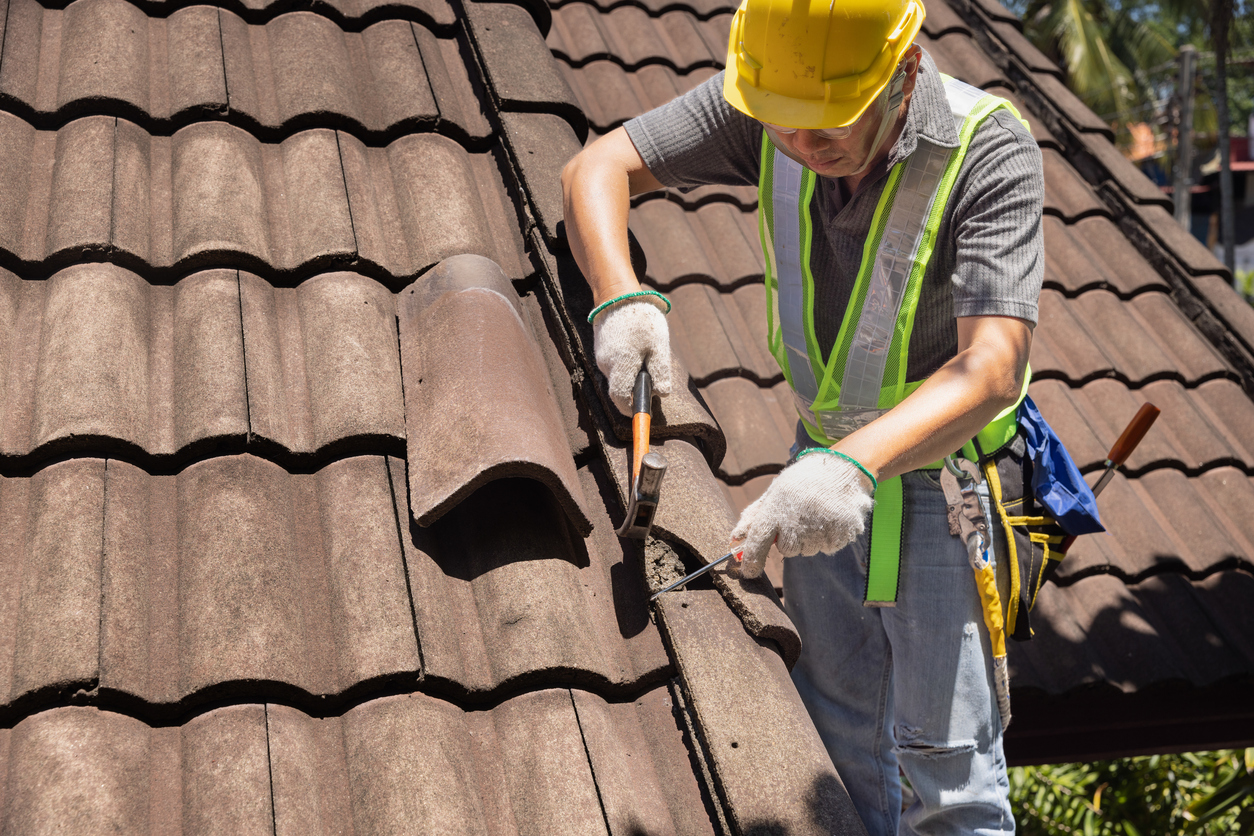
Wind, hail and falling debris occasionally damage individual shingles. It is important to make these repairs as soon as possible, as they may pose a safety hazard. If the surrounding roofing materials are in good condition, replacing a few shingles is often sufficient to restore protection and appearance.
Minor shingle repairs require substantially less material than full roof replacement, reducing both resource consumption and waste generation. Pay attention to the state of your roofing materials. Missing or separated shingles can provide pathways for water to enter the roof structure and cause moisture-related issues. Guidelines from the Florida Institute for Built Environment Resilience state, “Over time, wooden roof systems will rot and weaken, requiring expensive repairs.”
You can do some DIY emergency repair, like placing buckets under leaks, moving away furniture to minimize damage and using plastic bags or sheets to temporarily plug holes. However, professional repairs should be scheduled promptly to prevent water intrusion that could necessitate more extensive work.
2. Localized Roof Leaks
A leak does not automatically indicate a roof replacement is necessary. Many leaks originate from chimneys, skylights, plumbing vents or flashing details rather than widespread roofing deterioration. Identifying and addressing the source quickly prevents moisture damage that could force premature replacement, allowing targeted repairs to maintain the existing roofing system in service and avoid the environmental impact of full tear-off and replacement.
3. Damaged Flashing
Flashing directs water away from roof penetrations and transitions. As time goes on, it can loosen, separate or corrode. Flashing components can often be repaired or replaced independently, so addressing the issue early may extend the life of the surrounding roofing materials.
Flashing repairs require less material than a full roof replacement, making them among the most resource-efficient roofing interventions available.
4. Gutter and Drainage Problems
Clogged gutters, damaged downspouts and poor water management can allow moisture to accumulate around external roofing components. Correcting drainage issues often resolves the problem without requiring major roofing work. Routine maintenance, like keeping drainage systems clear and promptly addressing minor roofing issues, can help maximize roof longevity and improve storm resilience.
5. Insulation-Related Performance Issues
Sometimes homeowners suspect roof failure when the underlying issue actually involves inadequate attic insulation or ventilation — not the roofing materials themselves. To keep your home comfortable year-round, your heating system must compensate for heat that escapes during winter, while your cooling system must remove heat that enters during summer. Insulating your home effectively limits the flow of heat, helping maintain more consistent indoor temperatures.
Roofing expert, Dominic Fraser, emphasizes the importance of proper roof insulation for energy efficiency and moisture management: “Homeowners can actually save up to 45% on their annual heating costs with roof insulation.”
Upgrading attic insulation delivers energy savings without generating roofing waste. This approach maintains the existing roof while improving building performance — often delivering better long-term environmental outcomes than replacing a structurally sound roof with a new “energy-efficient” system.
3 Roof Problems Often Requiring Full Replacement
When damage affects large areas of the roof, involves structural components or appears in multiple locations, replacement often provides greater long-term performance, reliability and environmental value. In these scenarios, strategic replacement with durable materials can reduce total lifecycle resource consumption compared to repeated short-term repairs.
1. Widespread Shingle Deterioration
When shingles are curling, cracking or losing granules across large sections of the roof, the roofing system may be nearing the end of its service life. In these situations, replacement often provides greater long-term value than repeated repairs.
Most asphalt shingle roofs need to be replaced after 20-30 years. Fraser explains, “Asphalt roofs last two to three decades because extreme heat, sun exposure, algae growth and other issues cause shingles to slowly deteriorate over time.”
Strategic replacement with longer-lasting materials can reduce total lifetime material consumption. Metal roofing (40-70 year lifespan), premium recycled-content asphalt shingles (30-40 years), or reclaimed slate (75+ years) can eliminate future replacement cycles compared to standard 20-year materials.
2. Structural Sagging
A sagging roof warrants immediate professional evaluation. Sagging can indicate issues involving decking, framing or long-term moisture exposure beneath the roofing materials.
A case study from the Restoration Industry Association highlights how a seemingly minor issue can reveal extensive structural damage on the roof. A project that began as a repair for leaking deck flashing on a home in Washington state quickly escalated when crews discovered significant rot in the roof’s structural panels.
The moisture damage was so severe the roof was no longer structurally sound, making a simple repair impossible. The team had to perform a full reconstruction, installing a completely new roof system to ensure the home’s safety and integrity.
Structural failure risks catastrophic water intrusion capable of damaging insulation, framing and interior finishes — creating far more waste than roofing materials alone. Addressing structural issues promptly through replacement prevents cascading building failures and significantly greater material waste.
3. Multiple Active Leaks
When leaks occur in multiple areas of a home, the roofing system may be experiencing widespread deterioration, signaling systemic failure. Rather than addressing one location at a time with piecemeal repairs incapable of restoring reliable performance, replacement provides a more durable solution.
Strategic replacement prevents ongoing moisture damage, restores the roof’s protective function, and allows integration of modern materials and systems designed to improve long-term building performance.
How Much Does a Roof Repair Cost Versus a Full Replacement?
One of the biggest concerns homeowners face is avoiding unnecessary expenses. Roof repairs generally cost less up front because they address a specific problem area. Replacements involve removing existing materials, inspecting the roof deck, installing new underlayment and completing an entirely new roofing system.
However, the most economical choice depends on the roof’s remaining lifespan and long-term value. Repairing a relatively new roof, that has sustained isolated storm damage, preserves existing materials and avoids waste — often delivering excellent value. But investing in multiple repairs on a roof nearing the end of its expected service life may lead to higher cumulative costs over time. In these cases, well-timed replacement with durable materials can reduce total lifecycle material consumption and improve building performance over the long term.
What Is the Best Roofing Material for My Home?
The ideal roofing material depends on your budget, climate, sustainability goals and desired lifespan.
Asphalt shingles are typically an affordable, long-lasting solution. For enhanced sustainability, look for shingles with 25-30% post-consumer recycled content and premium lines with 30-40-year lifespans.
Wood shake roofing delivers decades of performance with a distinctive appearance. Choose FSC-certified wood or reclaimed materials from deconstruction projects to minimize forest impact.
According to the Metal Roofing Alliance, metal roofing consists of 25-95% recycled material and offers exceptional sustainability. With a 40-70 year lifespan, 100% recyclability at end of life, and superior reflectivity that reduces cooling loads, it is storm-resistant and a solid roofing choice for any climate.
Cool roofing coatings with specialty pigments can be applied to existing roofs to reflect solar energy and reduce cooling costs.
How Long Does a Typical Roof Replacement Take?
Many homeowners worry about how a replacement project will affect their daily routine. Some residential roof replacements could take as little as a day, while larger or more complex projects may require multiple days or even a week or more to complete.
Factors such as roof size, weather conditions and material selection influence the timeline. The process typically includes:
- Initial inspection and project planning.
- Removal of existing roofing materials.
- Inspection of the roof deck.
- Installation of underlayment and protective components.
- Installation of new roofing materials.
- Cleanup and final inspection.
Why Your Repair-or-Replace Decision Matters for the Planet
When you choose repair:
- It extends the service life of existing materials, reducing demand for new production.
- You are avoiding landfill disposal of materials with remaining useful life.
- It reduces transportation emissions associated with material delivery and waste hauling.
- You are minimizing construction disruption and associated environmental impacts.
When you choose strategic replacement:
- It is an opportunity to specify materials with recycled content (25-30% available in asphalt shingles).
- You are upgrading to longer-lasting materials so as to reduce replacement frequency over building lifetime.
- You are opting for integration of cool roofing or solar-ready systems that improve energy performance.
- It means proper waste diversion can recycle old materials into road paving aggregate.
| Quick Assessment: Repair or Replace? | |||
| Factor | Repair Likely | Professional Assessment Needed | Replacement Likely |
| Roof Age (Asphalt) | Under 10 years | 10-15 years | 15+ years |
| Roof Age (Metal/Slate) | Under 20 years | 20-40 years | 40+ years (metal) or 75+ (slate) |
| Damage Extent | Less than 20% of roof | 20-50% of roof | More than 50% of roof |
| Damage Pattern | One localized area (storm, flashing) | 2-3 scattered problem spots | Multiple areas throughout roof |
Looking ahead: While asphalt shingle recycling rates remain low, capacity is expanding. Owens Corning has committed to recycling 2 million tons of shingles annually by 2030. Selecting durable materials and maintaining existing systems effectively reduces total lifecycle resource consumption and waste generation.
Choosing the Solution That Fits Your Roof and the Planet
Your roofing decisions have lasting consequences — for your home’s protection, your budget and the environment. The sustainability equation isn’t simply “repair is always better” or “new materials are always greener.” Instead, it depends on honestly assessing your roof’s remaining service life and matching the reality with the right intervention.
A well-timed repair extends material life and avoids waste. A strategic replacement prevents cascading failures and integrates higher-performance materials that serve your home (and the planet) for decades to come. Either way, making an informed choice means less waste in landfills, fewer resources consumed and a roof that delivers reliable protection for years ahead.

Post a comment