
The Eco-Conscious Home: Chores That Teach Children Systems Thinking
Sustainability begins with the choices you make every day, and your home is one of the best places to help children build habits to benefit both their future and the planet. Chores can become valuable learning opportunities. They connect everyday tasks to bigger environmental outcomes, so you can introduce your children to systems thinking in a way that feels natural and meaningful.
Help Children See the Bigger Picture
Among industrialized nations, the U.S. is among the highest in waste produced per capita. This makes it important to start teaching your child about systems thinking. It is the ability to understand how different parts of a system work together. Instead of seeing a single action in isolation, children learn every choice has consequences that can affect people, resources and the environment. When you pair household chores with these lessons, you encourage children to become thoughtful, responsible and environmentally aware.
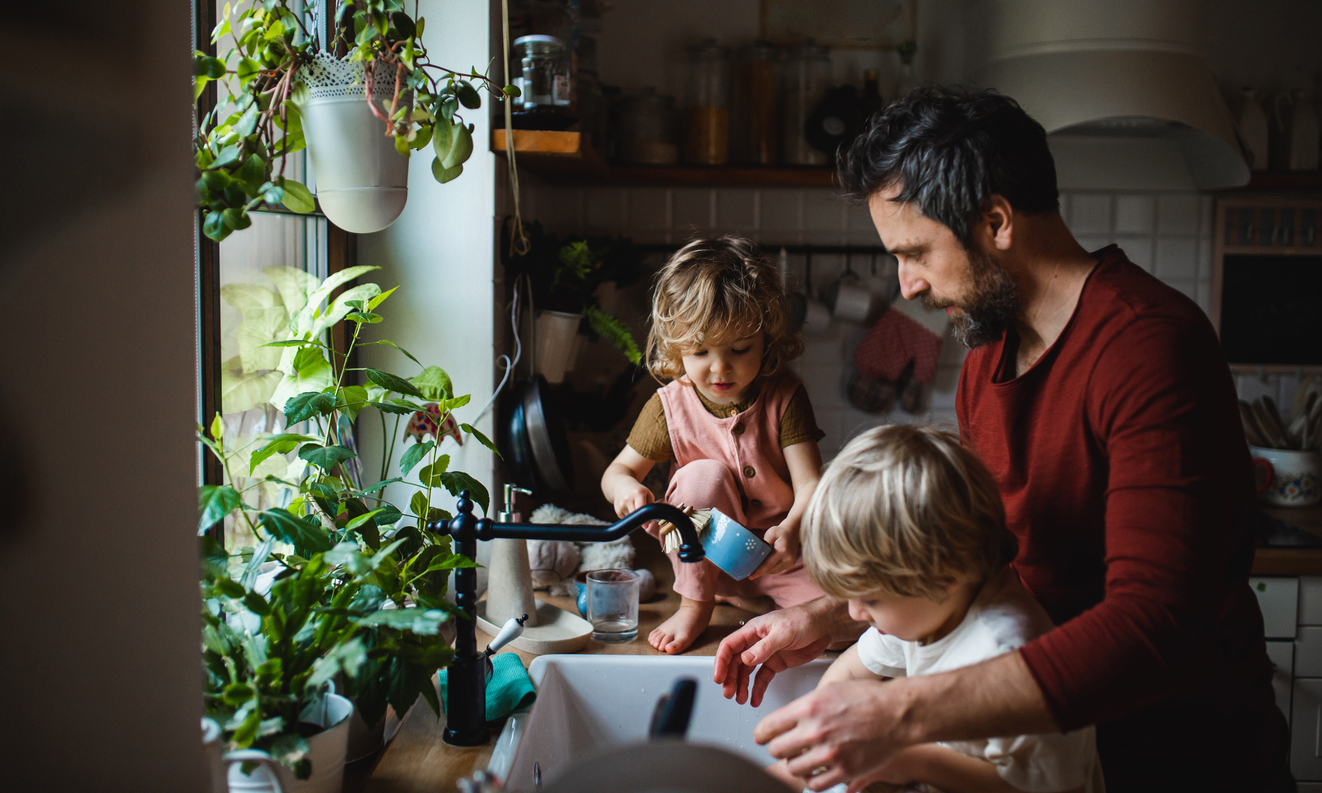
You can begin by treating chores as a learning opportunity. For example, washing dishes isn’t only about keeping the kitchen clean. It also involves using water wisely, reducing food waste before washing and making reusable items last longer. By explaining these connections, you help your child understand one small action contributes to a much larger system.
You can encourage them to ask questions. Where does the water come from? What happens to leftover food? Why is it better to use a reusable cloth instead of disposable paper towels? These conversations help children recognize how daily habits influence the world around them.
Turn Recycling Into a Learning Experience
Sorting recyclable materials is another excellent way to introduce systems thinking. Instead of memorizing which items belong in each bin, encourage your child to explore what happens after recycling collection.
Discuss how paper, glass, plastic and metal are processed into new products. Explain that recycling helps conserve natural resources, reduce landfill waste and lower energy use. When children understand the journey of these materials, they begin to see recycling as part of a larger environmental system rather than just another household task.
This is especially important because there is still a lot of room for improvement when it comes to home recycling. For example, according to a report, the UK household recycling rate was only 44.6% in 2023.
Composting Shows Nature’s Cycles
Composting is one of the clearest examples of natural systems working together. Collecting fruit peels, vegetable scraps and other compostable materials teaches children that waste doesn’t always have to end its journey in the trash.
As compost breaks down, children can observe how microorganisms transform food scraps into nutrient-rich soil to support plant growth. This simple process demonstrates how nature continually recycles resources. It would also be a great way to cut down on food waste, helping the average American family of four save about $2,900 per year. So even if you don’t have a garden, discussing composting helps children understand that healthy ecosystems depend on many interconnected parts working together.
Reduce Food Waste Together
Meal preparation offers many opportunities to teach sustainability. Invite your child to help plan meals, organize the refrigerator or use leftovers creatively.
As they participate, explain how food production requires water, land, transportation and energy. Explain how throwing away edible food doesn’t just waste the meal, but it also wastes all the resources used to produce it.
This would also be a good time to teach your child about the garbage disposal in your kitchen. You can teach your child what can and can’t go down a garbage disposal. Explain how it’s okay to put down liquids and soft foods, like small fruit scraps and cooked vegetable scraps. While it’s not okay to put down nuts, eggshells, bones and grease like oil or fats. You can then explain how it transports the shredded remains of food through the plumbing system, where it travels to sewage treatment plants for processing.
These lessons help children understand the connections between farming, transportation, grocery shopping and household consumption. They learn that thoughtful planning can reduce waste while saving money and protecting the environment.
Cleaning With Reusable Materials
Household cleaning can also support sustainable thinking. Using washable cloths instead of disposable wipes demonstrates how choosing reusable products reduces waste over time. Even though these items may seem inconsequential, they will add up over time and still increase the global waste problem.
Talk about the environmental impact of single-use products and encourage your child to compare different cleaning options. They may begin noticing other opportunities around the house to replace disposable items with reusable alternatives.
These discussions strengthen their understanding about how small purchasing decisions can influence larger environmental systems. Each move to reimagine products for recycling is another step toward a sustainable future.
Building Lifelong Sustainable Habits
You can start teaching sustainability without complicated lessons or expensive materials. You can just use the everyday chores already happening in your home, which provide countless opportunities to introduce environmental responsibility while developing systems thinking skills.
As children begin to understand how household actions connect to natural resources, communities and ecosystems, they gain a deeper appreciation for their role in protecting the environment. These lessons help them develop lifelong habits rooted in responsibility, curiosity and care for the world around them.

Post a comment