

What World Cup Sustainability Initiatives Can Teach Us About Eco-Friendly Pest Control

Sustainability has become an important part of planning major global events, such as the World Cup. Organizers must manage waste and protect local environments, while hosting millions of visitors. Fortunately, many of these same principles can support eco-friendly pest control at home.
Start with Smart Waste Management
One of the biggest sustainability challenges during international sporting events is waste. Stadiums, fan zones, hotels and transportation hubs can generate large amounts of trash every day. During the 2022 FIFA World Cup, organizers implemented sophisticated programs that helped recycle 77% of waste from stadium operations.
Waste management matters because food scraps, overflowing bins and improper garbage management create ideal conditions for pests. Rodents, flies, cockroaches and other unwanted visitors thrive when food and shelter are readily available.
You can apply the same lesson at home by sealing trash containers and maintaining a regular garbage disposal routine. Good sanitation practices remove many of the resources pests need to survive. It also reduces the likelihood of infestations before they start.
Prioritize Prevention Before Problems Arise
World Cup organizers spend years planning venues, transportation systems and environmental programs before the first match begins. Their goal is to prevent problems before it affects operations or surrounding communities.
The same mindset supports effective pest control in the home. Waiting until you see large numbers of insects or rodents often results in more extensive treatments and higher costs. Instead, focus on preventive measures like sealing cracks, repairing screens, eliminating stagnant water and reducing clutter.
Early action limits opportunities for pests to enter and establish themselves in your home. It helps preserve beneficial insects and reduces unnecessary exposure to chemical treatments, too. A little planning today can help you avoid larger pest problems later.
Embrace the Core Ideas of Eco-Friendly Pest Control
Many sustainability initiatives rely on long-term planning. Eco-friendly pest control follows a similar philosophy through integrated pest management (IPM), which combines several strategies to manage pests while minimizing environmental impacts. These include habitat modification, exclusion techniques, monitoring, biological controls and carefully targeted treatments when necessary.
For homeowners, IPM offers a practical framework. Instead of immediately reaching for pesticides, you can identify the source of the problem and choose the most appropriate solution. This helps protect beneficial species and surrounding ecosystems, while maintaining effective pest control.
Just as World Cup organizers rely on coordinated sustainability plans, homeowners can apply a similar structured pest management strategy emphasizing prevention.
Manage Risks from Increased Travel and Hospitality
Major sporting events bring visitors from all over the world, creating additional challenges for hotels and rental properties. High guest turnover increases the risk of pests moving between locations, particularly bed bugs.
Hospitality providers often rely on inspections, staff training, monitoring programs and sanitation protocols to identify issues early. These preventive efforts help avoid widespread infestations that can be expensive to treat and harmful to guests.
This lesson extends beyond the hospitality industry. If you travel frequently, taking preventive steps before returning home can reduce the risk of transporting pests in luggage or personal belongings. Learning how to spot signs of bed bugs like bites, blood stains, shed bug skins and eggs can help you identify potential issues before they spread.
The financial impact of a bed bug infestation can be significant for hotels and homeowners alike. Early detection leads to faster and less invasive solutions, making regular inspections valuable in an eco-friendly pest control strategy. Many hospitality businesses now promote environmentally responsible pest management as a part of their guest experience, reflecting the growing demand for sustainable practices.
Encourage Biodiversity as a Natural Defense
Many World Cup host regions invest in green spaces and environmental projects that support local ecosystems. Healthy surroundings often help regulate pest populations naturally.
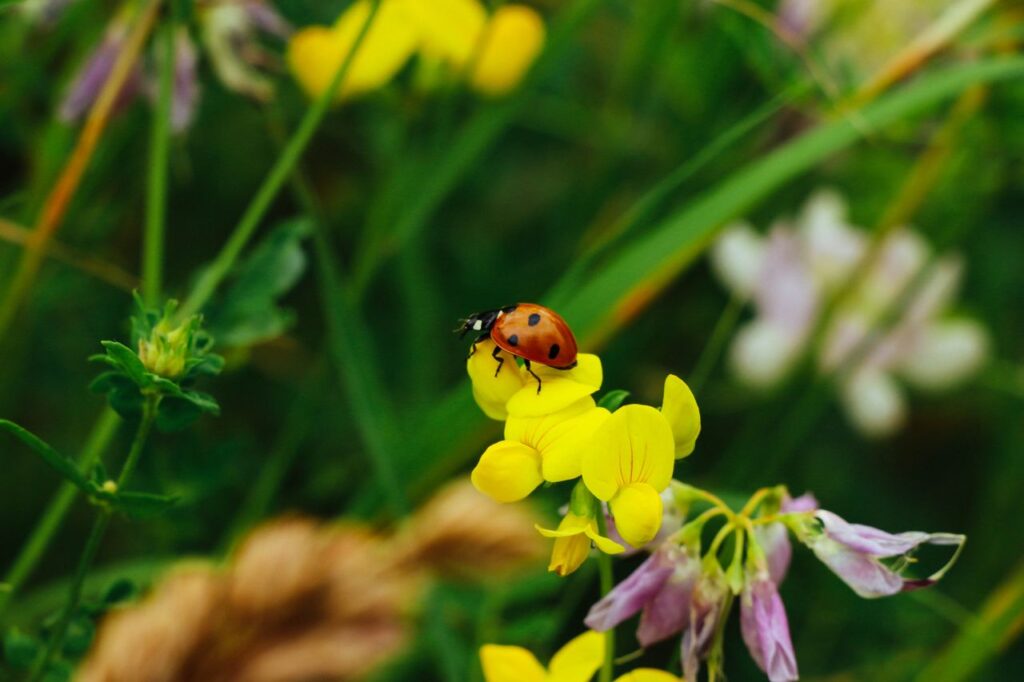
Your yard can benefit from similar principles. Birds, beneficial insects and other natural predators play an important role in controlling many common garden pests. Biological pest control uses living organisms, like insects, to help manage pest populations. Encouraging biodiversity reduces dependence on chemical treatments and supports a healthier outdoor environment.
Creating pollinator-friendly gardens and reducing unnecessary pesticide use can help beneficial species thrive, while supporting broader environmental goals.
Use Data and Monitoring to Guide Your Actions
Modern event organizers rely heavily on data. By tracking resource consumption and monitoring waste generation, they can identify trends and improve environmental strategies throughout a tournament. Large events can generate anywhere from 0.25 to over 7 kg of waste per attendee each day. Organizers understand even small sanitation issues can grow quickly with large crowds.
Effective pest control also depends on information. Professionals often use monitoring stations and inspections to understand where pests are active and how populations change over time.
Rather than applying treatments on a fixed schedule, monitoring allows teams to target specific areas when intervention is necessary. This practice reduces unnecessary pesticide use and helps ensure you direct resources where they are most needed.
Bringing World-Class Sustainability Into Your Home
The strategies used to support sustainability at large events, like the World Cup, offer practical lessons for homeowners. Applying battle-tested eco-friendly pest control principles can help you manage pests effectively, while creating a more sustainable home.

Post a comment