
Shared Solar, Shared Benefits: How Neighborhood Solar Cooperatives Are Democratizing Renewable Energy
For a long time, rooftop solar was a homeowner’s game, requiring the right property and the right financing. Whether due to a lack of home ownership or funds for solar panel installation, a large portion of the population was left on the sidelines of the clean energy transition. Thankfully, neighborhood solar cooperatives are changing that. Through resource pooling and shared access to a single solar installation, communities are making renewable energy more accessible than ever.
What Is a Neighborhood Solar Cooperative?
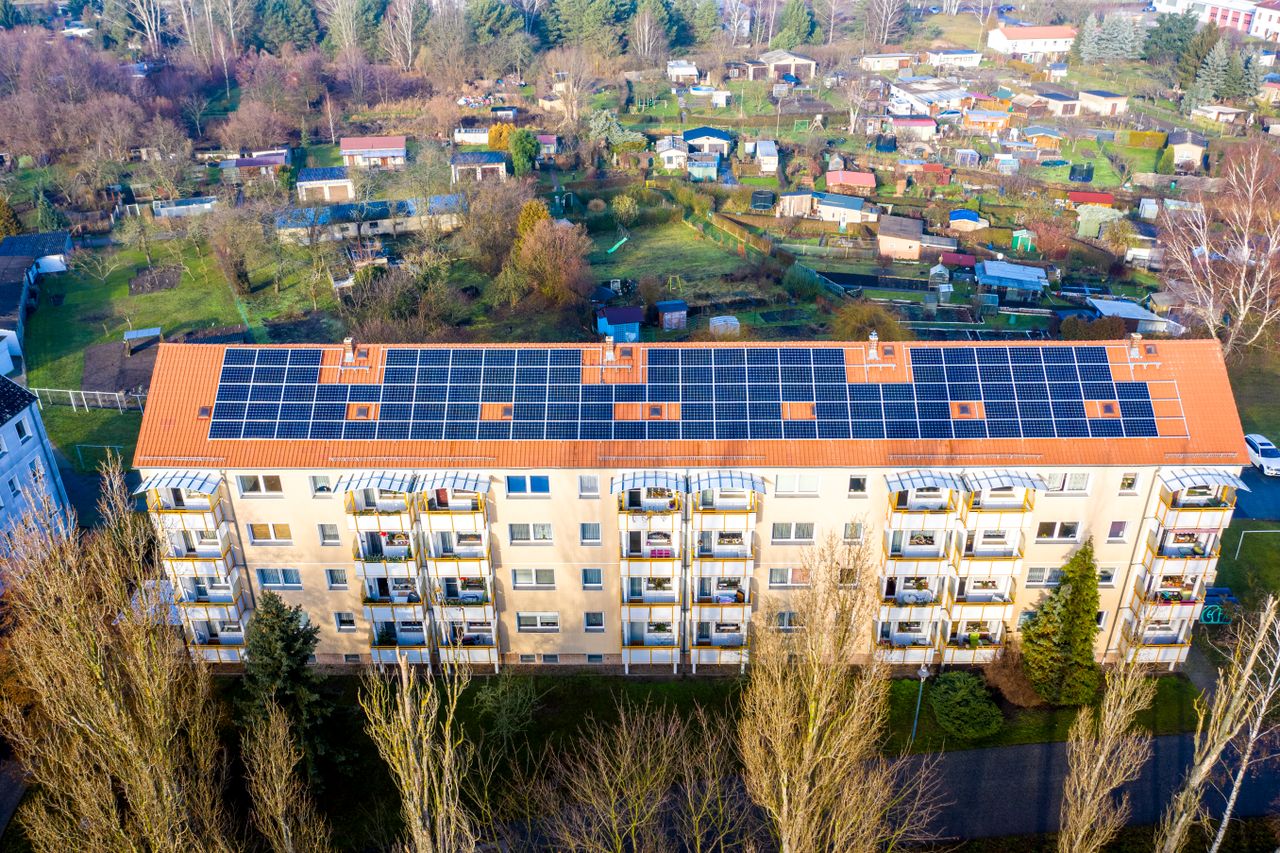
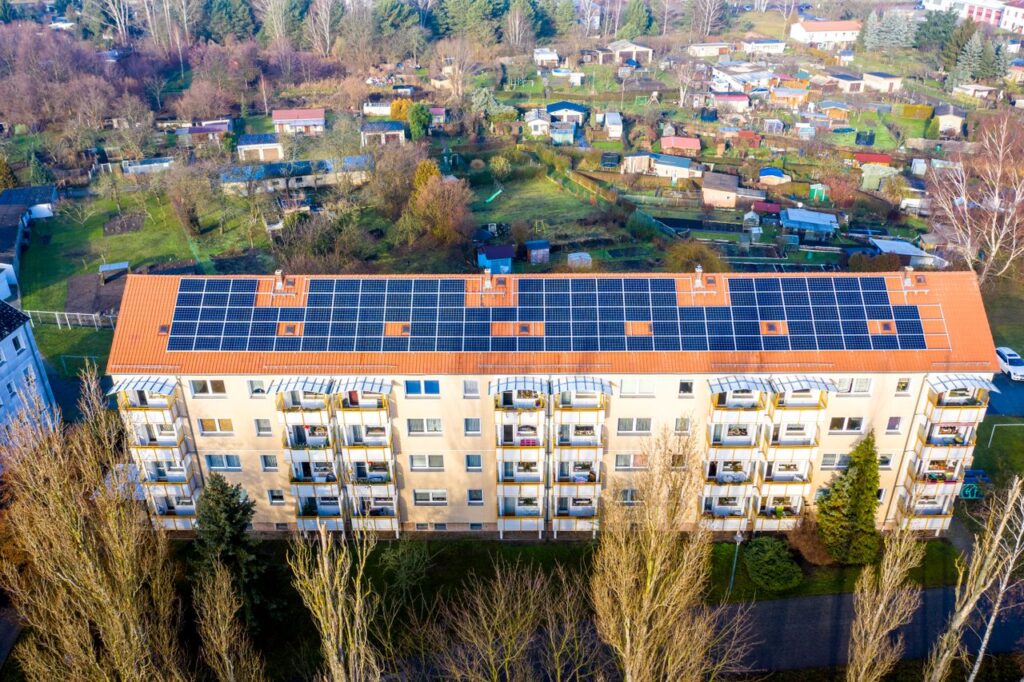
A neighborhood solar cooperative is a collectively owned or subscribed solar energy system that serves multiple households or businesses in a given area. Instead of each participant installing their own panel, the group invests in a nearby shared solar array.
Each member receives a credit on their electricity bill based on their share of the system’s output. The model goes by several names, including community solar, shared solar and solar gardens, but the core idea is the same.
This community-driven solution means you don’t need to own a home or have tens of thousands of dollars in savings to benefit from solar energy. Some cooperatives are fully member-owned and governed, while others are subscription-based programs run by a developer or utility.
The right fit depends on what’s available in your area and how much involvement you want in the process.
The model is also gaining real traction. Community solar capacity in the U.S. has grown nearly 500% over the past six years, reaching more than 7.8 gigawatts in 2024. These figures reflect both expanding state policy support and rising consumer demand for more accessible and community-driven clean energy options.
At the same time, urban areas embracing sustainable self-sufficiency from localized power supplies make them a safe place for refuge during extreme weather events or natural disasters.
Who Benefits Most
Neighborhood solar cooperatives have the most transformative impact on renters and low-to moderate-income households. Renters have historically had no pathway to rooftop solar, as they do not own the building and therefore can’t make structural modifications. Community solar provides an accessible solution. With many cities contributing significantly to carbon emissions from construction and transportation, green movements play a sizable role in reducing their negative impact.
A renter can now subscribe to a share of a local solar project and receive bill credits without any physical changes to their apartment. The U.S. Department of Energy’s National Community Solar Partnership was established specifically to expand this access, with a focus on ensuring low-income and underserved households can meaningfully participate.
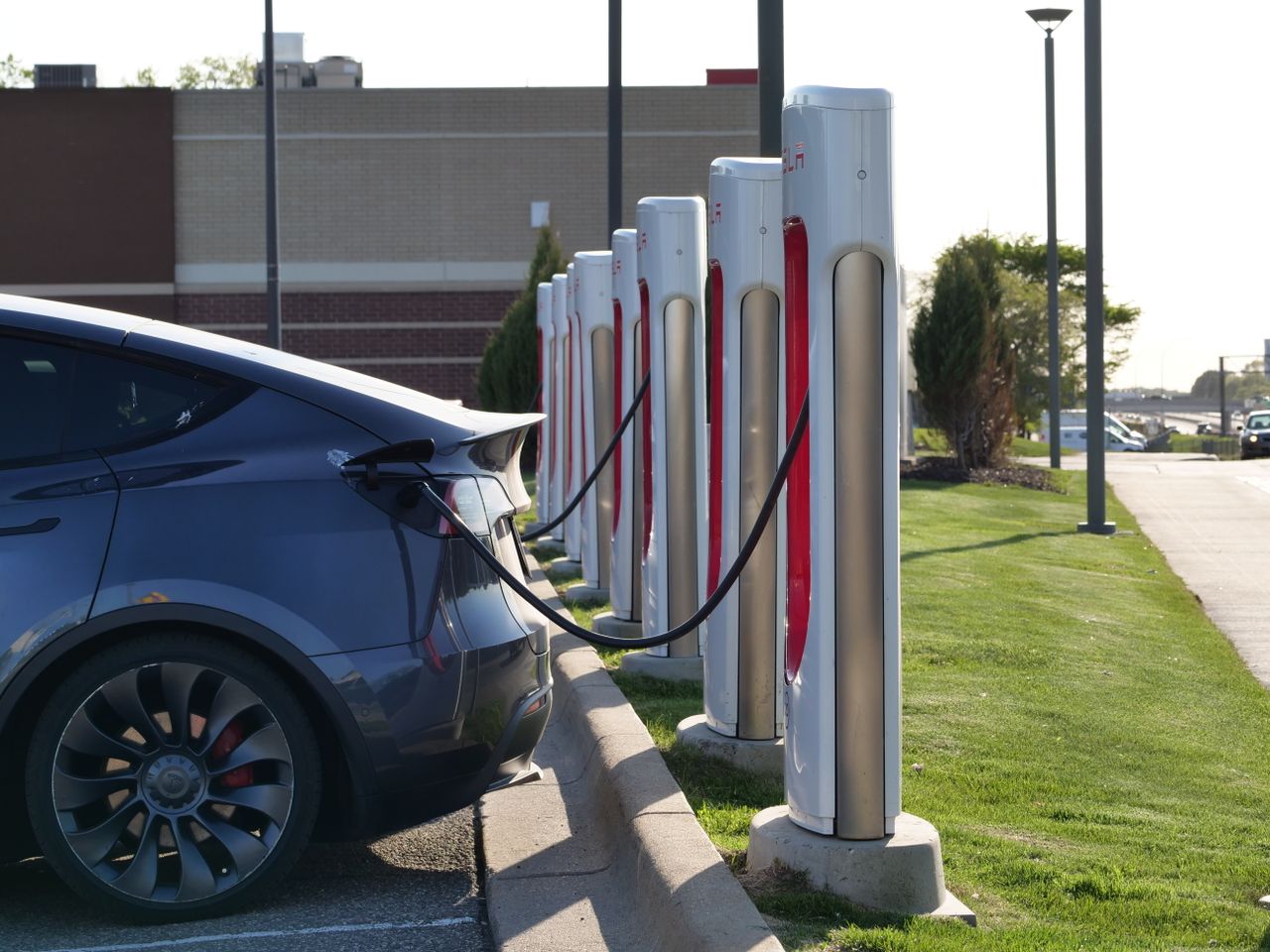
That same logic extends to other shared clean energy infrastructure. In multi-unit buildings, individual EV chargers in every unit aren’t practical or affordable for most residents or property managers. Scalable communal EV charging solutions for multi-unit buildings follow the same shared principle regarding access and cost. For renters trying to participate in the clean energy transition, access to both can make a meaningful difference.
Furthermore, these community-driven green initiatives are often viewed today as valuable investment opportunities in the real estate market. They improve residents’ livelihoods, resulting in a higher perceived value.
For lower-income households, the savings are especially meaningful. Low-income households spend a disproportionate share of their income on energy costs, roughly three times the rate of other households. Community solar programs with income-qualified tiers can deliver real, ongoing reductions to that burden.
How the Finances Work
One of the more practical questions people have about community solar is how the money flows. The specifics vary by program and state, but the general model is mostly consistent. A developer or cooperative builds and operates a solar installation, then participants either purchase shares outright or subscribe on a monthly basis.
The solar energy generated flows into the local grid, and participants receive a credit on their utility bill proportional to their share of the generation, ensuring households are charged as fairly as possible.
Some programs require no up-front investment, making them accessible to households that couldn’t even afford a traditional solar installation. Others offer financing options or sliding-scale pricing based on income. The key is the financial structure is designed around collective access rather than individual ownership. It’s also worth noting many states have taken steps to expand access to community solar programs and protect participants, significantly increasing availability over the past few years.
The Bigger Picture
While solar cooperatives help reduce electricity bills, they represent much more than just cost savings. Democratizing renewable energy means the transition to clean energy works for everyone. Neighborhood solar cooperatives are among the most practical tools available for closing that gap. As more communities organize around shared energy resources, the clean energy transition becomes increasingly viable. If you’ve ever felt like solar was out of reach, the cooperative model is worth a closer look.
Post a comment