
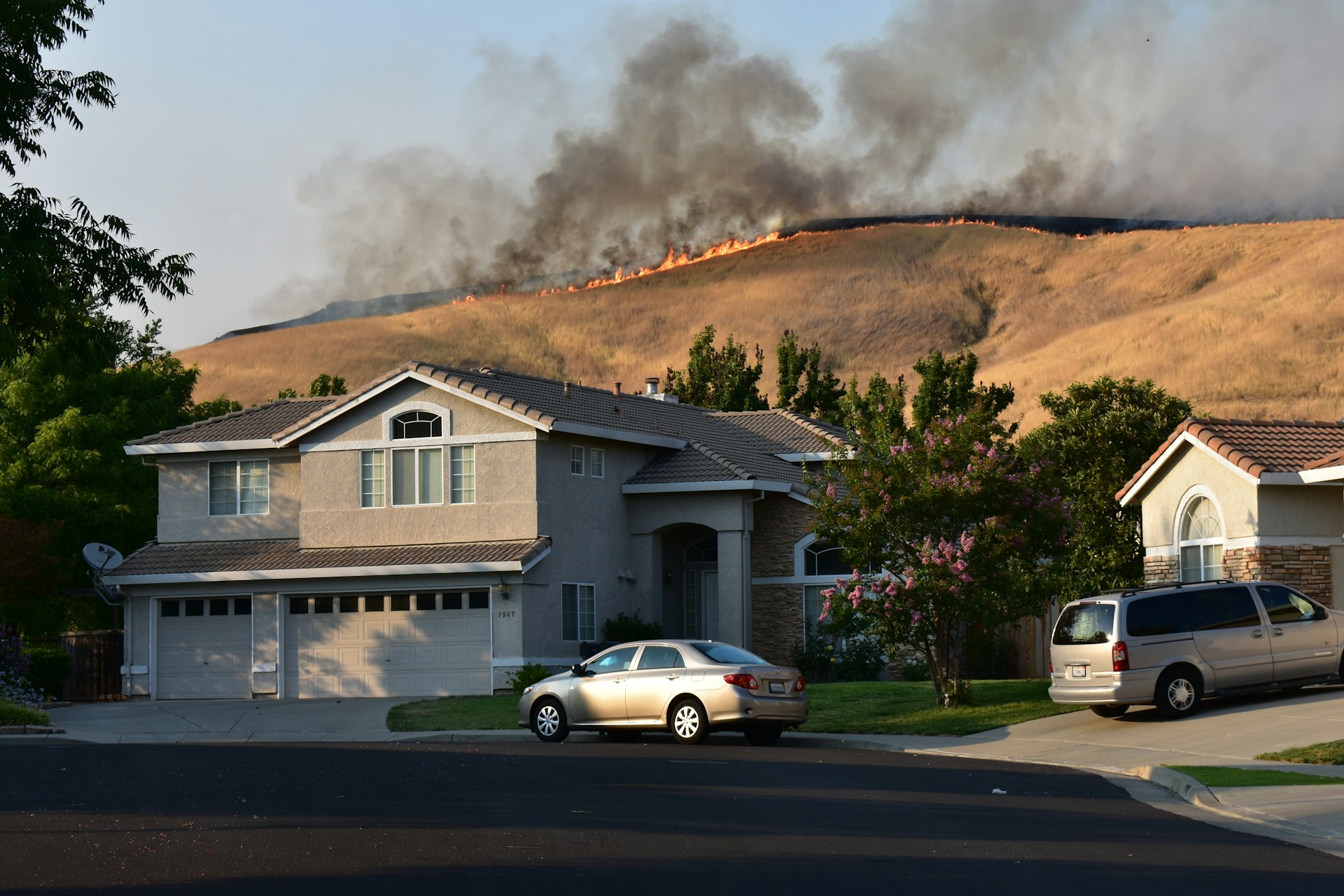
Summer Heat Waves and Wildfires: What You Need to Know to Stay Safe
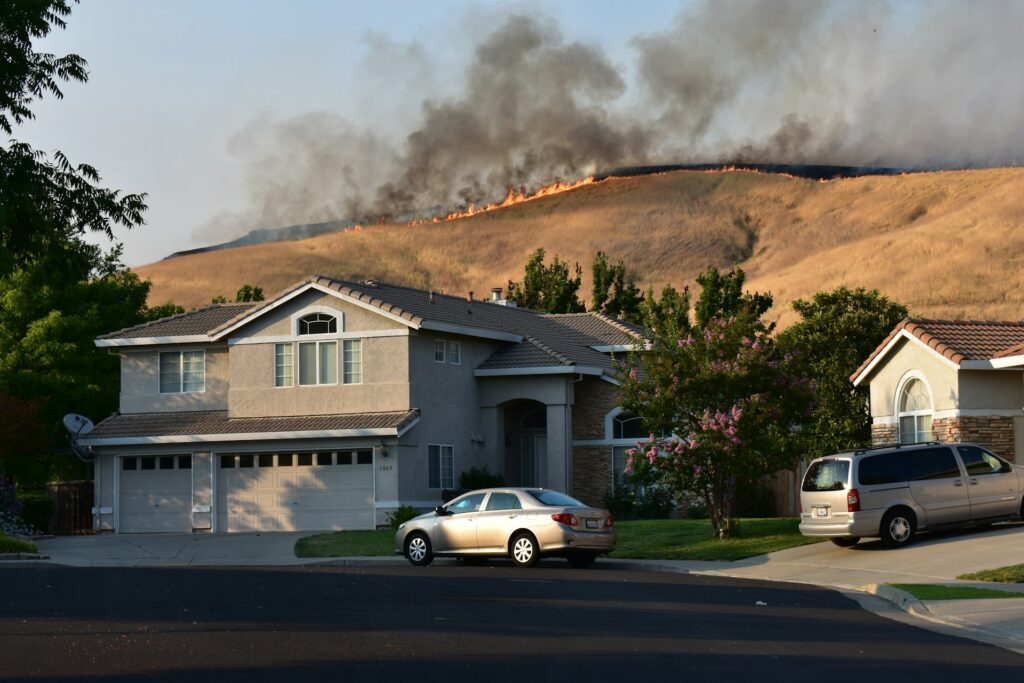
Summer weather is bringing stronger heat waves and wildfires, stretching the dry season and causing discomfort. To face these conditions, you need an action plan and an understanding of weather risks. These simple safety tips will help you protect your home and potentially save lives during a crisis.
Preparing for Wildfire Smoke
The best way to keep a level head during heat waves or wildfires is to prepare. Hot summer weather brings more big fires, so getting ready early keeps everyone safe.
You protect your household when you pack an emergency kit with fresh water, canned food and necessary medicines. Learn CPR and basic wound treatments as a preparation measure.
Being calm in a crisis scenario can benefit you when the time comes. There may be a lot of confusion or fear in the moment. Learn to focus on your breath when you feel anxiety, inhaling through your nose for five seconds, then exhaling through your mouth for five seconds. Mindfulness and meditation can help your mental fortitude.
Making a clear family escape plan ensures everyone knows exactly where to go when danger gets close. Always follow official evacuation orders right away to reach safety.
Heat Safety Measures
High summer temperatures bring serious health risks that require smart indoor habits. Staying inside in cool spaces keeps your body at a safe temperature during peak afternoon heat.
Never leave children, older family members or pets in a parked car, as vehicle cabins can quickly reach deadly temperatures. Putting on sunscreen and wearing wide hats protects your skin from sunburns that could block your body’s natural cooling abilities. Warm weather also increases tick and mosquito activity, so wear long pants and shirts when hiking.
It is important to learn to spot early signs of heat illness, like headaches, dizziness and heavy sweating. Children, pregnant women, older adults and people with ongoing medical issues face the greatest danger from extreme heat waves, so keep an eye on yourself and others. Pay close attention when exercising or working outside, as well.
Air Quality Control
Wildfire smoke fills the air and can make it hard to breathe, especially when you can see it. Checking the local Air Quality Index helps you decide when to stay inside.
The health impacts of breathing in wildfire smoke can be severe. It often contains a mixture of volatile organic compounds, carbon monoxide and harmful pollutants. These substances can cause shortness of breath or worsen conditions, like asthma.
If you have to leave, wear a tight-fitting N95 mask to filter out dangerous ash, gases and floating dust. Inside your home, running the air conditioning on the recycle setting keeps outside smoke from entering living areas. Using portable HEPA air filters can clean your indoor air even more.
Adapting to Future Risks
Climate change affects everyone. Adapting to the new reality of hotter days and more wildfires gives communities a chance to thrive.
Importance of Community Preparedness
Neighborhood safety works best when towns team up before bad weather hits. Working together reduces the dangers of wildfires and summer heat waves.
Local groups can open cool public buildings for neighbors, share quick emergency updates and clear away dry brush along property lines. Knowing your neighbors, and having practiced emergency plans, can reduce the impact of mental distress during and after evacuation.
Long-Term Solutions
Keeping people safe for years to come takes steady improvements in local regulations and land care. Better choices today create healthier, cooler places to live down the road.
Communities can protect citizens in the long term by having leaders update building codes, clear dead trees and switch to cleaner energy that reduces pollution. These smart steps can shield neighborhoods from weather dangers, ensuring you enjoy safe, healthy seasons ahead.
Taking Action and Planning Early
Preparing early safeguards your health, while helping your family and community builds stronger, safer towns and cities. You can confront climate change together. Taking clear, smart steps today ensures you and your neighbors enjoy healthier seasons ahead.
Post a comment