
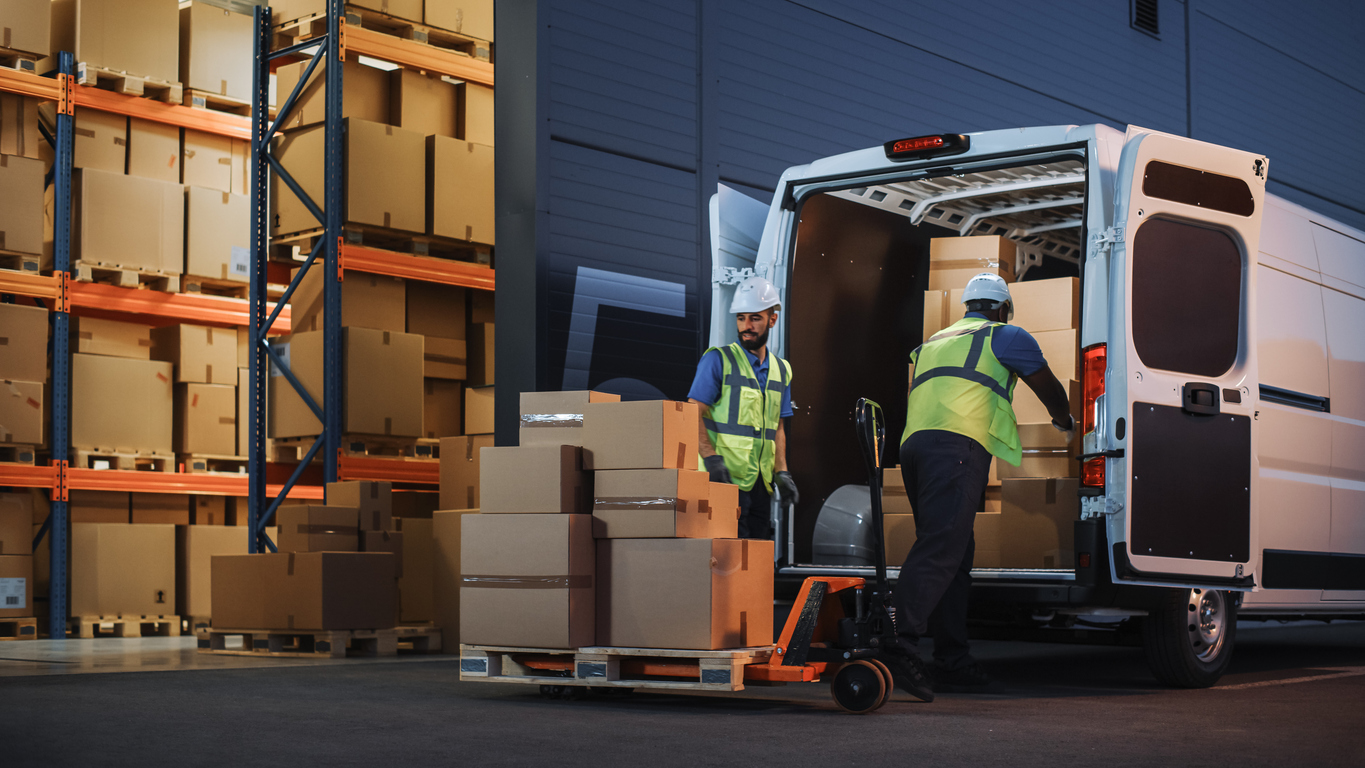
How Electric Delivery Trucks Are Shrinking Your Online Shopping Carbon Footprint

Online shopping offers incredible convenience, with packages sometimes arriving at your doorstep within hours of clicking “buy now.” However, all those deliveries add significantly to transportation emissions. The good news is electric delivery trucks are already changing the industry, eliminating tailpipe emissions and making your orders cleaner and greener in this crucial final step.
The Surprising Environmental Cost of Online Shopping
The vehicles bringing packages to your home create a bigger environmental footprint than you might expect. Medium- and heavy-duty trucks generate a disproportionate share of pollution. They number less than 5% of vehicles, but contribute over 20% of transport sector emissions.
This imbalance exists because larger trucks burn more fuel per mile and spend extended periods idling between stops. Each delivery route compounds the problem, as drivers navigate residential streets and commercial districts throughout the day.
How Electric Fleets Clean Up the Last Mile
Electric trucks produce zero tailpipe emissions, meaning no harmful exhaust enters the air while packages move from distribution centers to your door.
This final leg of delivery is known as last-mile logistics and involves the greatest concentration of stops in residential areas. Traditional diesel vehicles release particulate matter and nitrogen oxides, posing severe health risks to people living nearby. Electric alternatives eliminate local pollutants entirely, while reducing each shipment’s carbon footprint.
Vehicle technology has matured rapidly to meet commercial demands. Key operational features include:
- Battery range: Modern electric delivery trucks can cover typical daily routes without requiring mid-day charging stops.
- Route optimization: Routes optimized for battery capacity and charging-station locations ensure drivers complete their assignments efficiently.
- Regenerative braking: Vehicles recapture energy during frequent stops, extending battery life throughout the day.
These technological advantages mean logistics companies can move to electric fleets without sacrificing service reliability or delivery speed.
The shift to electric freight vehicles delivers measurable improvements on a national scale. It is estimated that a complete transition would reduce annual climate and health damages by between $6.2 billion and $8.5 billion compared to purchasing new diesel trucks. While the transition is far from complete, communities are already benefiting from cleaner air quality as the freight sector moves closer to carbon-neutral operations.
Why Brands Are Embracing Green Logistics
Consumer expectations are behind much of the momentum. For example, according to North American freight, package and logistics provider, Purolator, 76% of Canadian consumers feel more loyal to brands that actively address environmental responsibilities. However, as Senior Vice President Paul Tessy notes, “To sort out greenwashing from legitimate action, delivery partners must have clear goals and be unafraid to be aggressive.”
To meet those goals, enterprises track emissions across three categories: scope 1 covers direct emissions from owned vehicles, scope 2 accounts for purchased electricity and scope 3 includes all other indirect emissions throughout the supply chain.
For the retailers you shop with, transportation often accounts for the largest share of scope 3. That’s why delivery partners become essential allies in cutting this footprint, making green logistics a competitive advantage rather than just an operational detail.
Meaningful commitments go beyond simple announcements. Leading providers publish specific timelines showing how many electric vehicles they plan to deploy each year. Others invest in building charging infrastructure at regional hubs and partner facilities.
Transparent reporting separates genuine progress from marketing claims, with businesses sharing annual data on emissions reductions and miles driven by electric vehicles. These concrete actions give retailers confidence when selecting partners, and they can give consumers confidence their online shopping is getting greener.

How You Can Support a Greener Shipping Future
Your checkout decisions influence how efficiently networks operate. Choosing slower shipping options allows entities to consolidate packages and optimize routes. Research shows selecting no-rush delivery can reduce last-mile emissions by roughly 30% — a considerable impact, if you can afford to wait a few days.
Supporting companies with transparent sustainability commitments and certified green delivery programs reinforces the case for continued investment in electric fleets. Simple adjustments to your shopping habits multiply the environmental benefits:
- Wait to order until you have multiple items: Combining purchases into one shipment reduces the number of trips required to reach your address.
- Choose standard shipping over expedited options: The faster option forces brands to send partially filled trucks and take less efficient routes to meet tight deadlines.
- Select in-store or curbside pickup when available: Consolidating deliveries to a single retail location serves dozens of customers with a single stop instead of multiple individual trips.
- Avoid unnecessary returns: Each returned item requires an additional round-trip.
- Look for carbon-neutral shipping badges: Some retailers offset delivery emissions through verified environmental projects or use exclusively electric fleets.
What a Fully Electric Shopping Future Looks Like
Environmental Protection Agency projections indicate a complete transition to zero-emission trucking by 2050 would create net CO2 emission benefits along with significant reductions in nitrogen oxides and fine particulate matter.
As technology advances, this may well further reshape how goods reach consumers:
- Autonomous delivery: Small electric robots could handle neighborhood deliveries for lightweight packages, navigating sidewalks and bike lanes to reduce street congestion.
- AI-powered route optimization: Machine learning algorithms are likely to become even more effective in minimizing unnecessary miles and maximizing charging efficiency.
- Electric cargo drones: Aerial delivery for small, time-sensitive packages could bypass road traffic entirely, running on renewable electricity and reaching remote locations more efficiently.
- Modular charging networks: Wireless charging pads embedded at distribution centers and popular delivery zones would keep vehicles powered throughout their routes without extended downtime.
A Greener Checkout Is Closer Than You Think
The convenience you enjoy from online shopping grows cleaner every day as the industry builds a more sustainable future. The transformation of delivery logistics is already underway in cities and suburbs across the country. Electric trucks reduce pollution with every package, while new technologies continue improving efficiency and sustainability.
Your purchasing choices, corporate innovation and smarter logistics create meaningful environmental progress. Supporting entities that hold similar values can encourage others to make the same transition to the greener route.


Post a comment