
The Surprising Reason Sustainable Roofing Companies Recommend More Repairs Than Replacements
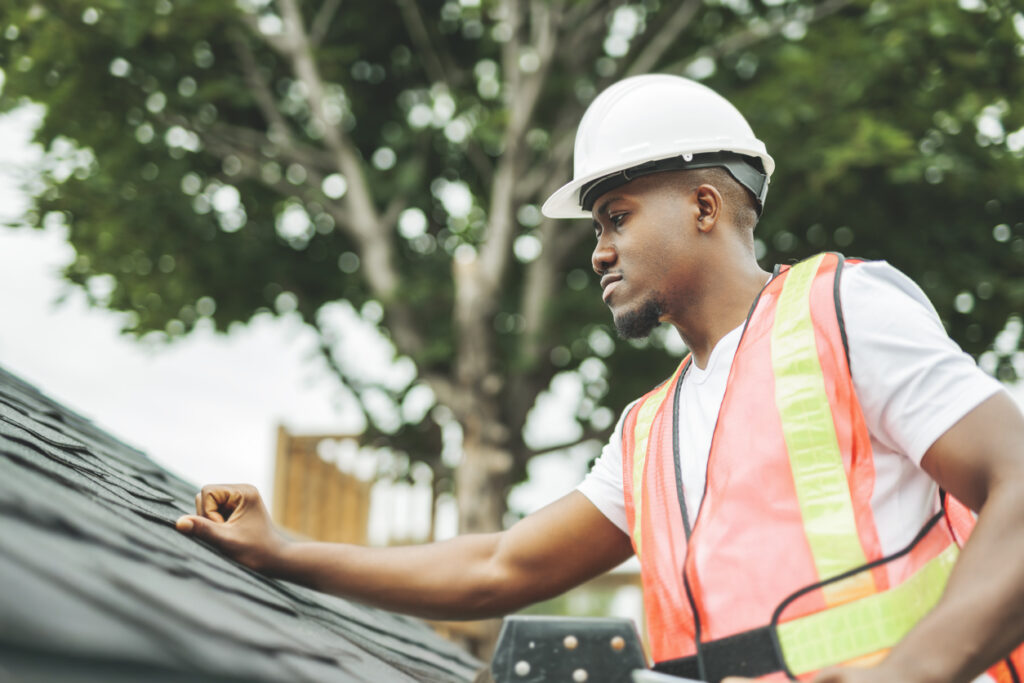
When your roof starts showing signs of wear, your first instinct may be to think about replacement. A new roof can seem like the most reliable way to protect your home and avoid future problems. However, many companies recommend homeowners consider targeted repairs and ongoing maintenance as part of a sustainability philosophy that extends the useful life of existing materials whenever possible. Understanding the relationship between roof repair vs. replacement can lead to more informed decisions.
The Environmental Impact of Roof Replacement
One of the biggest reasons eco-conscious roofing professionals favor repairs is the amount of waste generated during replacement projects. When an entire roof is removed, thousands of pounds of shingles, underlayment, flashing and other materials are often discarded.
According to the U.S. Environmental Protection Agency, construction and demolition activities generated 600 million tons of debris in the United States, which highlights the importance of reducing waste through material preservation and reuse. Source reduction is considered one of the most effective strategies for minimizing environmental impacts associated with construction materials.
Roofing materials account for a sizable portion of that waste stream. Every roof remaining in service for several additional years helps reduce demand for new materials, while keeping usable products out of landfills.
Why Extending Roof Life Supports Sustainability
Every new roof requires various materials that consume energy, which contributes to embodied carbon. These are the greenhouse gas emissions associated with producing building materials before they are installed.
Recycling and salvaging materials help divert waste from landfills after it has been generated. However, extending the life of existing materials through source reduction offers even greater environmental benefits by reducing the need for new resources and preventing waste from being created in the first place.
Repairs Can Add Years to a Roof’s Lifespan
Many roofing problems originate in specific areas rather than across the entire system. Missing shingles, damaged flashing, isolated leaks and weather-related wear can often be addressed through targeted repairs.
Preventive maintenance and prompt repairs help preserve roofing performance and maximize service life. A repair-focused approach directs resources toward the areas in need of attention, while preserving portions of the roof that continue to perform effectively.
The Financial Advantage of Roof Repairs
Adopting sustainable building practices can increase a home’s overall value, while making more efficient use of materials. The environmental benefits of repairs often align with significant financial savings. For many homeowners, the difference between repair costs and replacement costs can be substantial.
Minor roofing repairs generally fall between $150 and $1,500, depending on the nature of the issue and the roofing material involved. While you may want to avoid the high roof replacement cost, new roofs are often recommended when there’s major damage and repairs would cost more than $3,000. However, this varies depending on home size, roof complexity and material selection.
These cost differences can create opportunities to invest in other home efficiency upgrades, while still maintaining a reliable roofing system. In many situations, a well-executed repair provides excellent value by restoring performance and extending service life at a fraction of the cost of replacement. From a sustainability perspective, directing resources toward maintenance and preservation often yields greater returns than replacing materials before they reach the end of their useful life.
Preventive Maintenance Delivers Long-Term Benefits
Roof repairs may become even more effective when paired with preventive maintenance. Regular inspections allow homeowners to identify developing issues before they grow into larger problems.
Simple maintenance practices, such as clearing debris, cleaning gutters and monitoring flashing conditions, help support roof performance throughout the year. These efforts can reduce moisture-related damage and may extend service life.
Preventive maintenance follows the same principle that drives many sustainability initiatives, which is preserving existing resources through proactive care. Just as maintaining appliances, vehicles or HVAC systems helps extend their lifespan, routine roof maintenance helps maximize the value of roofing materials already in place.
Ventilation Improvements Can Reduce Roofing Stress
Attic conditions also play an important role in overall roof performance. Excess heat and moisture may accelerate wear on roofing materials over time.
Improving attic ventilation helps regulate temperatures and reduce moisture accumulation, creating conditions that support longer roof life. Solar attic fans are one example of a relatively small upgrade to help improve airflow and energy efficiency. Such fans can help remove excess heat and moisture from attic spaces, while operating on renewable solar energy.
Asphalt Roof Repair vs Replacement
When damage is limited to a small area, repairs often provide an effective and sustainable solution. Replacing individual shingles, repairing flashing or addressing isolated leaks allows homeowners to maintain the majority of the existing roof while restoring weather protection.
Asphalt shingle roofs commonly provide around 15 to 20 years of service depending on climate conditions, installation quality and maintenance practices. If an asphalt roof remains within its expected lifespan, and the structure underneath remains in good condition, repairs can often deliver years of additional service. This approach minimizes waste, while helping homeowners maximize the value of materials already installed.
Metal Roof Repair Often Maximizes Material Value
Metal roofing is one of the most eco-friendly roofing options because metal can be recycled indefinitely without losing quality. Since these systems are designed for longevity, repairs frequently provide substantial environmental and financial benefits. Addressing isolated corrosion, replacing damaged panels or resealing seams can restore performance while preserving the majority of the roof.
Sustainable Roofing Extends Beyond the Roof Itself
Roofing decisions often influence broader home sustainability goals. A longer-lasting roof can support energy efficiency improvements, solar installations and other upgrades that reduce environmental impact.
Extending product lifespan and reducing unnecessary consumption are important sustainability principles that can lower environmental impact, while helping households save money. Viewed through this broader lens, roof repair becomes part of a larger strategy focused on responsible resource management.
When Replacement Provides the Best Long-Term Outcome
Although repairs often offer significant advantages, replacement remains an important option when roofing systems reach the end of their useful life. Extensive structural deterioration, widespread moisture damage or major storm-related destruction may justify a full replacement. In these situations, a new roof can provide decades of reliable performance, while creating opportunities to incorporate durable and energy-efficient materials.
The most sustainable choice depends on the roof’s overall condition and the expected benefits of each option. Evaluating remaining lifespan, repair history and structural integrity helps homeowners identify the solution that delivers the greatest long-term value. Working with a roofing professional who prioritizes material preservation and sustainability can help ensure replacement decisions are based on genuine need rather than convenience.
While recycling plays an important role in reducing landfill waste and supporting sustainability, many experts view it as a secondary solution after efforts to reduce consumption and extend product life. This is partly because many materials are more challenging to recycle successfully than people often realize, so it is important to consider quality and durability before replacement.
A Different Way to Think About Roofing Sustainability
Many sustainability conversations focus on new technologies and innovative materials. Yet one of the most effective ways to reduce environmental impact is often extending the life of products already in use.
Strategic repairs can reduce landfill waste, conserve raw materials, lower embodied carbon and help homeowners avoid unnecessary expenses. When combined with preventive maintenance and proper ventilation, they can add years to a roof’s useful life while supporting broader sustainability goals.
Post a comment