
From LEED-Certified Stadiums to Renewable Energy: What World Cup 2026 Venues Are Actually Doing About Sustainability
As billions of soccer fans are tuning into World Cup 2026 this summer, they may not realize they’re watching matches played inside some of the most environmentally ambitious sports venues on the planet.
Across the U.S., Canada and Mexico, stadium operators have spent the past two years overhauling their facilities, not just for soccer, but for the planet. The results are measurable, the commitments are documented and the upgrades are real. But, so is the complexity of hosting the most carbon-intensive World Cup in history. Here’s an honest look at what’s actually happening.
Green Building Standards Are Setting the Bar
The foundation of the World Cup’s sustainability push is Leadership in Energy and Environmental Design (LEED) certification. It’s the world’s most widely used green building rating system, evaluating venues across energy efficiency, water conservation, waste management, indoor environmental quality and sustainable transportation. LEED-certified buildings typically use 25% less energy, cut carbon emissions by 34% and consume 11% less water than conventional structures.
As the tournament opened, 13 of the 16 World Cup 2026 stadiums had already earned LEED certification, with at least two more expected to follow.
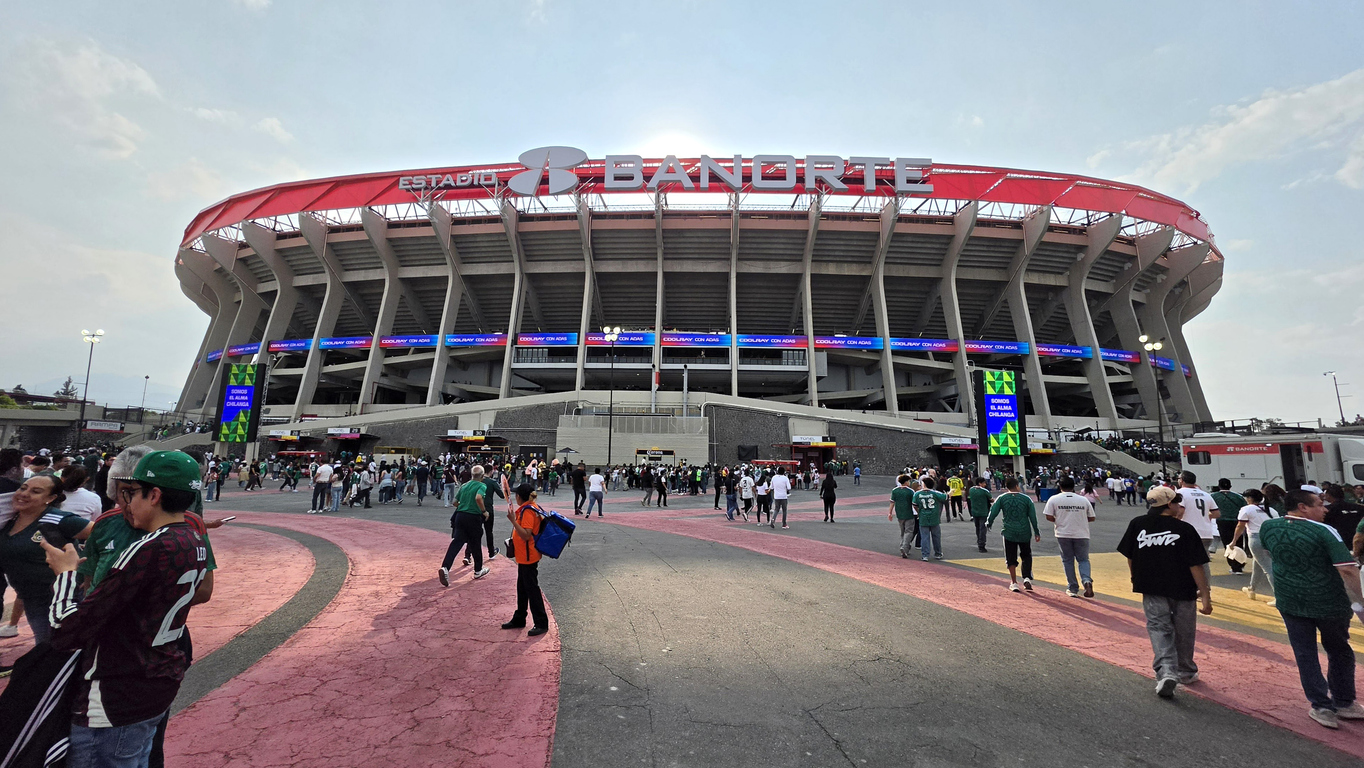
Many of these venues, including Mexico City’s Estadio Azteca and Atlanta’s Mercedes-Benz Stadium, the first professional sports venue in North America to achieve LEED Platinum status, had to undergo significant structural and operational changes to qualify. Earning a LEED credential means joining a global community of over 203,000 professionals committed to building greener, more sustainable structures, and the standard demands real accountability.
Renewable Energy in Action
One of the most visible sustainability efforts across World Cup 2026 venues is the shift toward renewable energy. Buildings account for over a third of electricity consumption worldwide, making venues like these a meaningful place to push for change.
Several stadiums have invested substantially in on-site generation. Philadelphia’s Lincoln Financial Field runs on 100% clean energy, combining solar panels across the facility and parking lot canopies with wind turbines mounted on the stadium structure and renewable energy sourced from regional providers.
Atlanta’s Mercedes-Benz Stadium has integrated solar panels directly into its design to power everyday operations. These aren’t temporary installations for the tournament. They’re permanent features built into how these venues function year-round.
Water, Waste and the Operational Side of Sustainability
Sustainability at these venues goes beyond energy. Across World Cup 2026 stadiums, water conservation has been a major focus, with venues installing efficient fixtures, capturing rainwater for irrigation and cooling systems, and redesigning operations to reduce consumption. Mercedes-Benz Stadium’s large underground cistern, for example, captures rainwater for irrigation and cooling, reducing reliance on municipal water supplies.
Waste reduction has received equal attention. Kansas City’s Arrowhead Stadium built its LEED certification on a foundation of operational improvements, including LED sports lighting, water-saving fixtures, food waste programs and a waste sorting system designed to divert the vast majority of trash from local landfills. A reusable cup program has kept hundreds of thousands of plastic cups out of the waste stream.
The World Cup also draws enormous numbers of multigenerational family groups, and the venues hosting it are being experienced across generations. HR Construction, which specializes in large-scale building and hospitality design, notes, “In 2022, 47% of survey respondents said they were planning for a multigenerational trip within 12 months. Many families choose to make their multigenerational vacations last a week or more.”
Venues taking sustainability seriously send a message to those families about the kind of world they’re being invited to celebrate.
Older Venues, New Standards
Perhaps the most encouraging story at this tournament is what is happening at historic stadiums. Historic buildings are generally older than 50 years and carry the architectural and cultural legacy of their era. For example, Estadio Azteca, built in 1966, fits squarely in this category. The stadium’s renovation stands as proof older structures don’t have to be left behind when it comes to environmental standards.
Accomplishing a full LEED Platinum certification in roughly one year, inside a facility with spaces never properly ventilated before, was by any measure an extraordinary undertaking. The upgrades covered energy systems, water efficiency, ventilation and waste management, including a formal policy requiring the purchase of sustainable products throughout the venue’s operations.
It reflects a broader truth about sustainability in architecture. The most impactful work is often in taking what already exists and making it better, more efficient and more responsible for the communities around it.
The Bigger Picture
These efforts are real and meaningful, but it would be dishonest to celebrate them without acknowledging the scale of what surrounds them. The 2026 FIFA World Cup is estimated to generate around 7.8 million metric tons of carbon dioxide equivalent, more than double the footprint of the 2022 tournament in Qatar. The vast majority of those emissions come not from the buildings themselves, but from travel, as millions of fans fly and drive across the three countries over the course of a month.
The tension doesn’t erase what venues have accomplished. LEED-certified buildings represent a genuine, documented standard — not greenwashing — and the infrastructure improvements made to these stadiums will outlast the tournament by decades. But it does raise a fair question about the limits of building-level sustainability when the event model itself generates so much carbon.
What Fans Can Do
For those attending matches, the sustainability features at these venues are also invitations to engage. Many stadiums have made it easier than ever to recycle, use reusable cups and reach the venue by public transit. The green infrastructure is there and using it makes a difference.
For everyone else watching from home, these venues offer something more than a soccer tournament. They’re proof of what’s possible when large, complex buildings take their environmental footprint seriously, and what it looks like when owners commit real resources to getting there. The stadiums hosting World Cup 2026 are part of a growing global movement, imperfect but honest examples of what meaningful progress actually looks like.

Post a comment